Duration of Treatment
3 HOURS
Days of Stay
3 DAYS IN HOSPITAL AND 15 DAYS IN INDIA
Anesthesia
General Anesthesia
Cost
60000 TO 90000 USD
How Much Does Varicose Veins Surgery Cost in India?
Are you looking for Varicose Veins Surgery Cost in India or searching for the best vascular surgeons and hospitals in cities like Delhi, Mumbai, Chennai, Bangalore, Hyderabad, and Kolkata? India is one of the leading destinations for affordable and advanced varicose vein treatment, offering modern minimally invasive procedures performed by experienced vascular surgeons.
Average Cost of Varicose Veins Surgery in India
The cost of varicose veins surgery depends on the treatment method, severity of the disease, whether one or both legs require treatment, the hospital, and the city.
| Treatment | Estimated Cost (USD) | |
|---|---|---|
| Sclerotherapy | $2000 – $3000 | |
| Endovenous Laser Treatment (EVLT) | $3000 – $4000 | |
| Radiofrequency Ablation (RFA) | $6000 – $9000 | |
| Vein Stripping Surgery | $2000 – $3000 | |
| Complex/Bilateral Varicose Vein Surgery | $5000 – $7000 |
These are approximate private-hospital price ranges and vary depending on the hospital, surgeon, and treatment plan.
Additional Expenses for International Patients
- Hotel Accommodation: Starting from $20–60 USD per night
- Food Expenses: Approximately $15–30 USD per day
- Local Transportation & Miscellaneous: Around $15–25 USD per day
These are estimated costs and may vary depending on your preferences and location.
What Factors Affect the Cost?
The total treatment cost depends on several factors, including:
- Severity and stage of varicose veins
- One leg or both legs requiring treatment
- Type of procedure (EVLT, RFA, Sclerotherapy, or Surgery)
- Experience of the vascular surgeon
- Hospital accreditation and facilities
- City where treatment is performed
- Diagnostic tests (Duplex Doppler Ultrasound, blood tests)
- Hospital stay and postoperative medications
- Compression stockings and follow-up visits
Why Choose India for Varicose Veins Surgery?
- ✔ Experienced vascular and endovascular surgeons
- ✔ Advanced minimally invasive procedures
- ✔ Internationally accredited hospitals (NABH & JCI)
- ✔ Affordable treatment compared with the USA, UK, and Europe
- ✔ Minimal waiting period
- ✔ Comprehensive international patient support
Top Hospitals in India for Varicose Veins Surgery
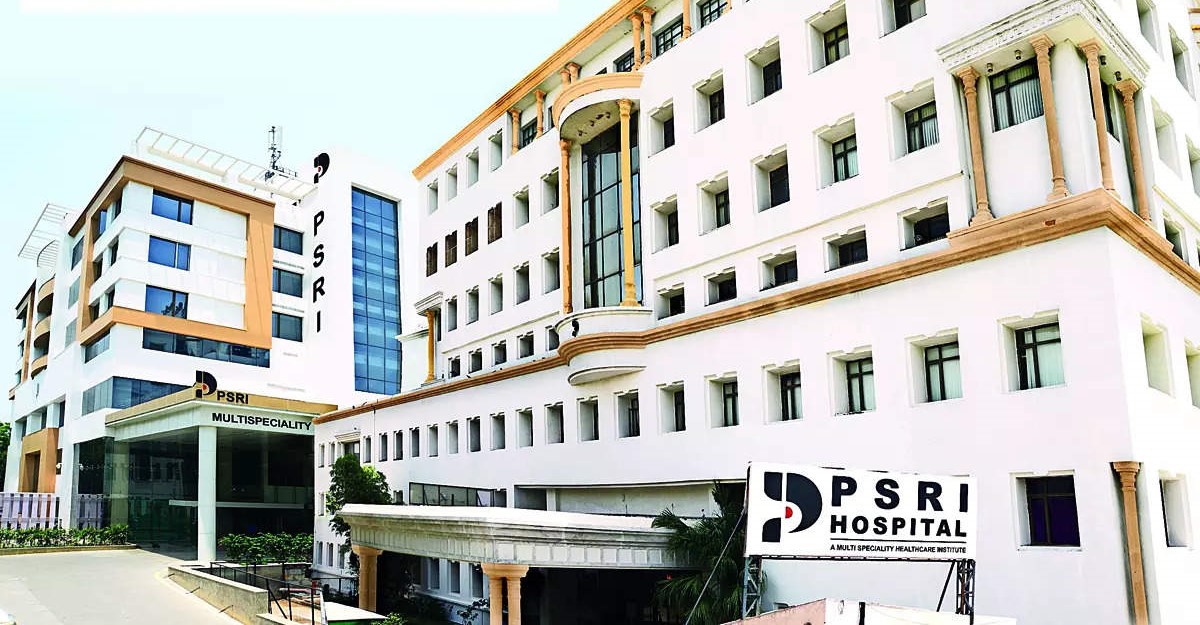
Some of the leading best cardiac hospitals in India offering advanced vascular surgery include:
- Apollo Hospitals
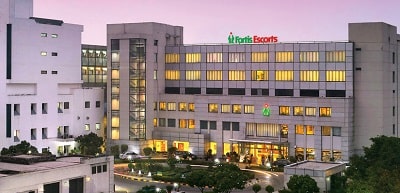
- Fortis Healthcare
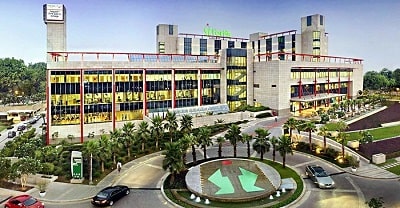
- Medanta – The Medicity
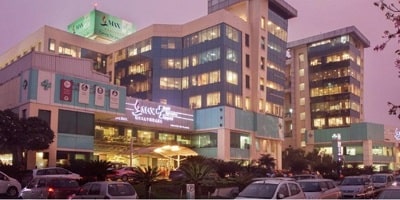
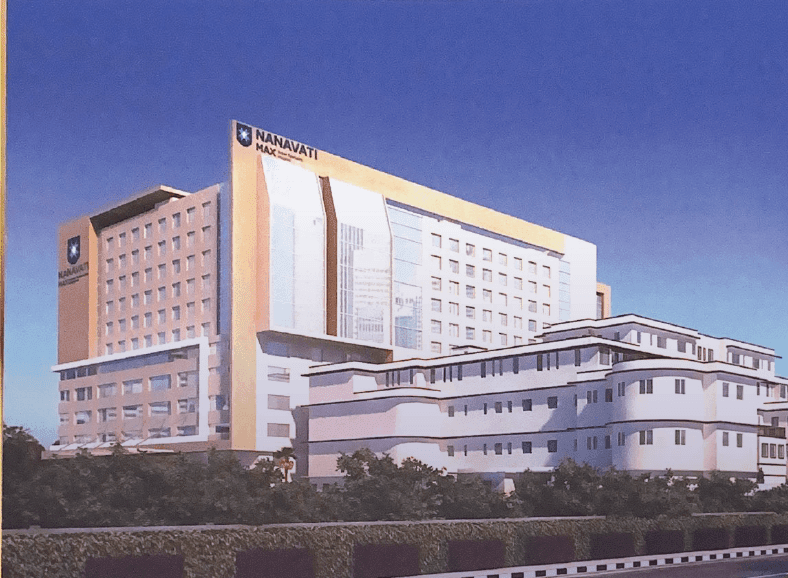
- Max Healthcare
- Artemis Hospital
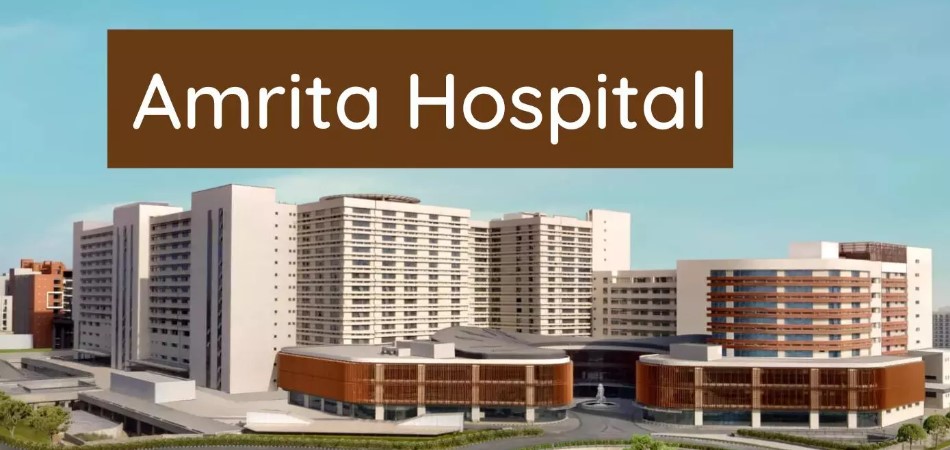
- Amrita Hospital
- Manipal Hospitals
- Narayana Health
- Marengo Hospitals
- Gleneagles Global Health City
Top Varicose Vein Surgeons in Delhi
Here is a curated list of well-known Vascular & Endovascular Surgeons from leading hospitals in Delhi NCR that you can include in your medical tourism content.
| Hospital | Vascular Surgeon | Specialization |
|---|---|---|
| Max Super Speciality Hospital, Saket | Dr. Harsh Kapoor | Vascular & Endovascular Surgery, EVLT, RFA, Peripheral Arterial Disease |
| Max Smart Super Speciality Hospital, Saket | Dr. Raman Abrol | Endovascular Surgery, Varicose Veins, Diabetic Foot |
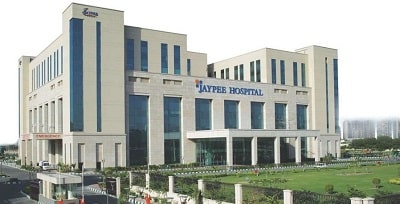
| Jaypee Hospital, Noida | Dr. Amit Kumar Chaurasia | Vascular & Endovascular Surgery, EVLT, Aortic Surgery |
| Amrita Hospital, Faridabad | Dr. Sanjay Kumar | Vascular & Endovascular Surgery, Laser Varicose Vein Treatment, Limb Salvage |
| Fortis Escorts Heart Institute, New Delhi | Dr. Upendra Kaul (Cardiology) | |
| Fortis Memorial Research Institute (FMRI), Gurugram | Dr. Rajiv Parakh | Vascular & Endovascular Surgery, EVLT, Peripheral Vascular Disease |
| Indraprastha Apollo Hospital, New Delhi | Dr. K. K. Pandey | Vascular Surgery, Endovascular Procedures, Varicose Veins |
| Medanta – The Medicity, Gurugram | Dr. Rajiv Parakh | Chairman, Vascular Surgery, EVLT, Complex Aortic & Peripheral Vascular Surgery |
| Sir Ganga Ram Hospital, New Delhi | Dr. Apurva Srivastava | Vascular & Endovascular Surgery, EVLT, RFA |
| Metro Hospital, Noida | Dr. Pankaj Kumar Pande | Vascular & Endovascular Surgery, Varicose Veins, Diabetic Foot |
| Artemis Hospital, Gurugram | Dr. Rakesh Kumar Jain | Vascular Surgery, Endovascular Procedures, Laser Vein Treatment |
| Marengo Asia Hospitals, Gurugram | Dr. Mukesh Goel | Vascular & Endovascular Surgery, Peripheral Arterial Disease, Varicose Veins |
Common Treatments Offered
-
Endovenous Laser Treatment (EVLT)
-
Radiofrequency Ablation (RFA)
-
Foam Sclerotherapy
-
Ambulatory Phlebectomy
-
Vein Stripping Surgery
-
Diabetic Foot Management
-
Peripheral Arterial Disease Treatment
-
Deep Vein Thrombosis (DVT) Treatment
-
Limb Salvage Procedures
Note: Doctor affiliations can change over time. Before publishing this list on your website or brochure, verify each surgeon's current hospital affiliation and designation on the respective hospital's official website to ensure accuracy.
Contact for Medical Assistance
If you are considering Varicose Veins Surgery in India, you can send your medical reports for a free treatment opinion and estimated cost.
Call / WhatsApp / Viber: +91 9582708782
Our team can assist with:
- Free medical opinion
- Treatment cost estimation
- Appointment scheduling
- Medical visa assistance
- Hospital selection
- Travel and accommodation support
Note: The final treatment plan and exact cost are determined only after reviewing the patient's latest medical reports, Doppler ultrasound findings, and clinical evaluation by the treating vascular surgeon.
What Is Varicose Veins Surgery?
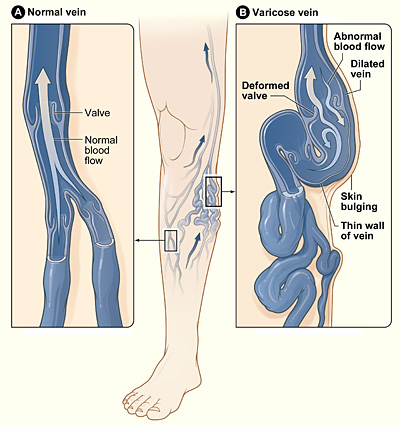
Varicose veins surgery is a medical procedure used to treat enlarged, twisted, and damaged veins, most commonly found in the legs. These veins develop when the valves inside the veins become weak or damaged, causing blood to pool instead of flowing efficiently back to the heart. This results in swollen, bulging veins that may cause pain, heaviness, swelling, itching, skin discoloration, and, in severe cases, leg ulcers.
The goal of varicose veins surgery is to eliminate or close the diseased veins, redirect blood flow to healthy veins, relieve symptoms, improve circulation, and enhance the appearance of the legs. Modern varicose vein treatments are minimally invasive, allowing most patients to return home the same day and resume normal activities within a few days.
Why Is Varicose Veins Surgery Needed?
Your doctor may recommend surgery if you have:
- Persistent leg pain or aching
- Leg heaviness or fatigue after standing
- Swelling in the ankles or legs
- Burning, itching, or throbbing around the veins
- Skin discoloration or eczema due to venous disease
- Bleeding from varicose veins
- Venous leg ulcers that do not heal
- Blood clots or recurrent superficial thrombophlebitis
- Cosmetic concerns affecting confidence
Types of Varicose Veins Surgery
1. Endovenous Laser Treatment (EVLT)
EVLT is one of the most common minimally invasive procedures for varicose veins.
- A thin laser fiber is inserted into the affected vein.
- Laser energy heats the vein walls, causing them to collapse and seal shut.
- Blood is naturally redirected to healthy veins.
Benefits:
- No major incision
- Local anesthesia
- Minimal pain
- Quick recovery
- High success rate
2. Radiofrequency Ablation (RFA)
RFA uses radiofrequency energy instead of laser heat to close abnormal veins.
Advantages include:
- Less discomfort after treatment
- Excellent cosmetic results
- Fast recovery
- High long-term success
3. Ultrasound-Guided Foam Sclerotherapy
A special foam medication is injected into the vein.
The foam:
- Irritates the vein lining
- Causes the vein to collapse
- Allows the body to gradually absorb the treated vein
This treatment is commonly used for:
- Small to medium varicose veins
- Residual veins after laser treatment
- Recurrent varicose veins
4. Ambulatory Phlebectomy
Small varicose veins are removed through tiny punctures in the skin.
This procedure:
- Requires only local anesthesia
- Leaves minimal scarring
- Provides immediate cosmetic improvement
5. Vein Stripping and Ligation
Although less common today, vein stripping may still be recommended for severe or complicated varicose veins.
During surgery:
- The affected vein is tied off (ligation).
- The vein is removed through small incisions (stripping).
Recovery is longer than minimally invasive procedures but remains effective in selected patients.
Symptoms of Varicose Veins
- Enlarged, swollen, twisted veins (usually blue or dark purple)
- Bulging veins visible under the skin
- Aching or throbbing pain in the legs
- Heaviness or tiredness in the legs
- Burning or cramping sensation
- Leg swelling, especially around the ankles and feet
- Itching around the affected veins
- Skin discoloration (brown or reddish pigmentation)
- Dry, flaky, or thickened skin near the ankles
- Pain that worsens after prolonged standing or sitting
- Night-time leg cramps
- Restless legs
- Tenderness around the affected veins
- Feeling of fullness or pressure in the legs
- Bleeding from varicose veins after minor injury
- Hard, painful veins due to inflammation (superficial thrombophlebitis)
- Slow-healing wounds or venous leg ulcers near the ankles
- Recurrent swelling of the lower legs
- Numbness or tingling in the legs (less common)
- Symptoms improve when the legs are elevated or after walking
Risk Factors of Varicose Veins Surgery
Although varicose veins surgery is generally safe and highly successful, like any surgical procedure, it carries certain risks and potential complications.
- Infection at the incision or catheter insertion site
- Bleeding or hematoma (collection of blood under the skin)
- Bruising and swelling around the treated vein
- Pain, tenderness, or discomfort in the treated leg
- Deep Vein Thrombosis (DVT)
- Nerve injury causing temporary numbness or tingling
- Skin burns (rare, during laser treatment)
- Skin discoloration or hyperpigmentation
- Allergic reaction to local anesthesia or medications
- Blood clot formation in superficial veins (superficial thrombophlebitis)
- Recurrence of varicose veins over time
- Vein recanalization (treated vein reopens)
- Fluid leakage from the treated vein (rare)
- Scarring at incision sites
- Delayed wound healing
- Temporary leg stiffness or tightness
- Damage to surrounding tissues or blood vessels (rare)
- Persistent leg swelling
- Temporary changes in skin sensation
- Chronic venous insufficiency if underlying vein disease progresses
- Ulcer formation in patients with severe venous disease (uncommon)
- Postoperative fatigue or discomfort during recovery
Note: Most of these complications are uncommon and can be minimized by choosing an experienced vascular surgeon, following postoperative instructions, wearing compression stockings, and attending regular follow-up appointments.
Preparation Before Varicose Veins Surgery in India
Proper preparation before varicose veins surgery helps ensure a safe procedure, reduces the risk of complications, and promotes faster recovery. Your vascular surgeon will provide personalized instructions based on your medical condition and the type of procedure being performed and the Varicose Veins Surgery cost.
1. Initial Consultation
- Review of your medical history and current symptoms.
- Physical examination by a vascular surgeon.
- Discussion of treatment options, benefits, risks, and expected outcomes.
2. Diagnostic Tests
- Duplex Doppler Ultrasound to assess vein function and blood flow.
- Blood tests (CBC, blood sugar, kidney function, coagulation profile, etc.).
- ECG and chest X-ray, if required, especially for older patients or those with underlying medical conditions.
3. Medication Review
- Inform your doctor about all prescription medications, over-the-counter drugs, and herbal supplements.
- You may be advised to temporarily stop blood thinners (such as aspirin, warfarin, or clopidogrel) under your doctor's guidance.
- Continue essential medications only as instructed.
4. Medical Clearance
-
Patients with diabetes, heart disease, high blood pressure, or other chronic illnesses may require clearance from their treating physician before surgery.
5. Lifestyle Modifications
- Stop smoking at least 2–4 weeks before surgery to improve healing.
- Avoid alcohol for 24–48 hours before the procedure.
- Maintain a healthy diet and stay well hydrated.
6. Compression Stockings
-
Your surgeon may recommend purchasing compression stockings before surgery, as they are often required during recovery.
7. Fasting Instructions
- If general anesthesia or sedation is planned, do not eat or drink for 6–8 hours before surgery.
- For procedures performed under local anesthesia, fasting requirements may vary.
8. Skin Preparation
- Shower with an antiseptic soap on the day before or the morning of surgery.
- Avoid applying lotions, creams, oils, or powders to your legs.
- Do not shave the treatment area unless instructed by your healthcare team.
9. Comfortable Clothing
- Wear loose-fitting, comfortable clothes that can easily fit over compression stockings or bandages after the procedure.
- Avoid tight-fitting footwear and clothing.
10. Arrange Transportation
-
Arrange for a family member or friend to drive you home, especially if you receive sedation or general anesthesia.
11. Inform Your Doctor About Any Illness
-
Notify your surgeon if you develop fever, cough, cold, skin infection, or any other illness before the scheduled surgery.
12. Prepare Medical Documents
Keep the following documents ready:
- Passport and visa (for international patients)
- Previous medical records
- Doppler ultrasound reports
- Blood test results
- Imaging studies (if available)
- List of current medications
- Health insurance documents (if applicable)
13. Understand the Procedure
- Discuss the type of varicose vein treatment planned (EVLT, RFA, sclerotherapy, phlebectomy, or vein stripping).
- Ask about expected recovery time, postoperative care, and follow-up appointments.
14. Plan Your Recovery
- Arrange for a few days of rest after the procedure.
- Prepare your home with essential supplies and ensure someone can assist you if needed during the first 24 hours.
Proper preparation helps improve surgical outcomes, minimizes complications, and supports a smooth recovery after varicose veins surgery. Always follow your vascular surgeon's specific instructions, as they may vary depending on your overall health and the treatment technique being used.
Procedure of Varicose Veins Surgery in India
The procedure for varicose veins surgery depends on the severity of the condition and the treatment method recommended by the vascular surgeon. Today, most patients in India are treated with minimally invasive techniques, such as Endovenous Laser Treatment (EVLT) or Radiofrequency Ablation (RFA), which provide faster recovery and minimal discomfort.
Step 1: Preoperative Evaluation
- The vascular surgeon reviews your medical history and performs a physical examination.
- A Duplex Doppler Ultrasound is used to identify the damaged veins and map blood flow.
- The affected veins are marked on the skin before the procedure.
Step 2: Administration of Anesthesia
- Most minimally invasive procedures are performed under local anesthesia.
- Mild sedation may be given if needed.
- General anesthesia is usually required only for complex or traditional vein stripping surgery.
Step 3: Small Incision or Needle Puncture
- A tiny incision or needle puncture is made near the affected vein.
- A thin catheter is inserted into the diseased vein using ultrasound guidance.
Step 4: Treatment of the Diseased Vein
Depending on the chosen procedure:
Endovenous Laser Treatment (EVLT)
- A laser fiber is inserted through the catheter.
- Laser energy heats the vein wall, causing the vein to collapse and seal shut.
- Blood flow is naturally redirected to healthy veins.
Radiofrequency Ablation (RFA)
- A radiofrequency catheter is inserted into the vein.
- Controlled heat generated by radiofrequency energy closes the diseased vein.
- The body gradually absorbs the treated vein over time.
Foam Sclerotherapy
- A special foam solution is injected into the affected vein.
- The foam irritates the vein lining, causing it to collapse and eventually disappear.
Ambulatory Phlebectomy
- Small varicose veins near the skin surface are removed through tiny punctures using specialized surgical instruments.
- No stitches are usually required.
Vein Stripping and Ligation
- In severe cases, the affected vein is tied off (ligation) and removed through small incisions (stripping).
- This method is less commonly used due to the availability of minimally invasive treatments.
Step 5: Confirmation of Treatment
- Ultrasound imaging is used to confirm successful closure or removal of the affected vein.
- The catheter and instruments are carefully removed.
Step 6: Dressing and Compression
- Small dressings are applied to the treatment site.
- Compression stockings or compression bandages are placed on the treated leg to reduce swelling, improve circulation, and promote healing.
Step 7: Recovery
- Most patients are encouraged to walk within 30–60 minutes after the procedure.
- The majority of minimally invasive treatments are performed as day-care procedures, allowing patients to return home on the same day.
- Normal daily activities can usually be resumed within 1–3 days, while strenuous activities should be avoided for about 2–4 weeks, as advised by the surgeon.
Duration of the Procedure
- EVLT: 30–60 minutes per leg
- RFA: 30–60 minutes per leg
- Foam Sclerotherapy: 15–30 minutes
- Ambulatory Phlebectomy: 30–60 minutes
- Vein Stripping Surgery: 1–2 hours
Advantages of Modern Varicose Veins Surgery
- Minimally invasive with tiny or no incisions
- Minimal pain and scarring
- Performed under local anesthesia in most cases
- Same-day discharge for most patients
- Faster recovery and return to normal activities
- High success rates with excellent cosmetic results
- Reduced risk of recurrence when combined with lifestyle modifications and follow-up care
Postcare of Varicose Veins Surgery
Proper postoperative care is essential for a smooth recovery after varicose veins surgery. Following your vascular surgeon’s instructions can help reduce pain, prevent complications, and improve long-term treatment outcomes.
1. Wear Compression Stockings
- Wear compression stockings as recommended, usually for 1–4 weeks.
- They help reduce swelling, improve blood circulation, and support healing.
2. Walk Regularly
- Begin walking within a few hours after the procedure, if advised.
- Take short walks several times a day to improve blood flow and reduce the risk of blood clots.
- Avoid prolonged sitting or standing.
3. Keep the Surgical Site Clean
- Keep the incision or puncture sites clean and dry.
- Follow your doctor's instructions for changing dressings.
- Avoid applying lotions or creams unless prescribed.
4. Take Prescribed Medications
- Take pain relievers, antibiotics, or other medications exactly as prescribed.
- Do not stop or start any medication without consulting your doctor.
5. Manage Pain and Swelling
- Mild pain, bruising, and swelling are common after surgery.
- Elevate your legs when resting to reduce swelling.
- Apply cold packs if recommended by your surgeon.
6. Avoid Heavy Physical Activity
- Avoid heavy lifting, strenuous exercise, running, and high-impact sports for 2–4 weeks or as advised.
- Gradually return to normal activities with your surgeon's approval.
7. Avoid Prolonged Standing or Sitting
- Change your position frequently.
- If sitting for long periods, move your legs regularly or take short walking breaks.
8. Stay Hydrated and Eat a Healthy Diet
- Drink plenty of water.
- Eat a balanced diet rich in fruits, vegetables, whole grains, and lean protein.
- Include high-fiber foods to prevent constipation and reduce pressure on leg veins.
9. Avoid Hot Baths and Swimming
- Avoid soaking the treated leg in hot tubs, bathtubs, or swimming pools until the wounds are completely healed.
- Shower only when permitted by your healthcare provider.
10. Attend Follow-Up Appointments
- Visit your vascular surgeon as scheduled.
- Follow-up Duplex Doppler Ultrasound may be performed to confirm successful vein closure and assess blood flow.
11. Monitor for Signs of Complications
Contact your doctor immediately if you experience:
- Fever or chills
- Increasing pain or swelling
- Redness, warmth, or pus at the surgical site
- Excessive bleeding
- Severe calf pain
- Shortness of breath or chest pain
- Sudden leg swelling
12. Maintain a Healthy Lifestyle
- Maintain a healthy body weight.
- Exercise regularly after recovery.
- Avoid smoking and limit alcohol consumption.
- Elevate your legs whenever possible.
- Continue wearing compression stockings if recommended.
Recovery Timeline
- Walking: Within a few hours after surgery
- Return to desk work: 1–3 days
- Resume normal daily activities: 1–2 weeks
- Strenuous exercise: 2–4 weeks (or as advised)
- Complete recovery: Usually within 2–6 weeks, depending on the procedure and individual healing.
Tips for Long-Term Success
- Stay physically active.
- Avoid prolonged standing or sitting.
- Wear compression stockings during long travel if advised.
- Maintain regular follow-up with your vascular surgeon.
- Follow a healthy lifestyle to reduce the risk of recurrence.
Proper postcare after varicose veins surgery promotes faster healing, reduces the risk of complications, and helps achieve the best long-term results, including improved circulation, symptom relief, and enhanced appearance of the legs.
Success Rate of Varicose Veins Surgery in India
Varicose veins surgery in India has a high success rate, particularly when performed by experienced vascular surgeons using modern minimally invasive techniques such as Endovenous Laser Treatment (EVLT) and Radiofrequency Ablation (RFA). Most patients experience significant relief from symptoms, improved blood circulation, and excellent cosmetic results.
Success Rates by Procedure
ProcedureSuccess RateEndovenous Laser Treatment (EVLT)94–98%Radiofrequency Ablation (RFA)94–98%Foam Sclerotherapy80–90%Ambulatory Phlebectomy90–95%Vein Stripping Surgery90–95%
Modern studies have shown that EVLT and RFA achieve vein closure (occlusion) rates of approximately 98% in the short term and over 93–94% after one year, with similar long-term effectiveness.
Factors That Influence Success
The outcome of varicose veins surgery depends on several factors, including:
- Early diagnosis and timely treatment
- Severity of varicose veins and chronic venous insufficiency
- Choice of treatment technique (EVLT, RFA, sclerotherapy, or surgery)
- Experience and expertise of the vascular surgeon
- Use of advanced equipment and technology
- Patient's overall health and medical conditions
- Following postoperative instructions
- Wearing compression stockings as recommended
- Maintaining a healthy weight and regular physical activity
- Attending follow-up appointments
Benefits of Successful Treatment
- Relief from leg pain, heaviness, and swelling
- Improved blood circulation
- Better cosmetic appearance of the legs
- Reduced risk of venous ulcers and bleeding
- Faster return to normal daily activities
- Improved quality of life
Can Varicose Veins Return After Surgery?
Although the treated vein is usually permanently closed or removed, new varicose veins may develop over time because venous disease is a chronic condition. Long-term recurrence rates vary depending on the patient's underlying vein disease, lifestyle, and the treatment used. Regular follow-up, maintaining a healthy weight, exercising regularly, and wearing compression stockings when advised can help reduce the risk of recurrence.
Conclusion
Varicose veins surgery in India is considered a safe and highly effective treatment, with success rates ranging from 90% to 98%, depending on the procedure performed. Minimally invasive treatments such as EVLT and RFA offer excellent long-term outcomes, minimal discomfort, shorter recovery times, and high patient satisfaction when performed by experienced vascular specialists.
Frequently Asked Questions (FAQs) – Varicose Veins Surgery in India
1. What is varicose veins surgery?
Varicose veins surgery is a treatment used to remove or close enlarged, twisted veins in the legs. Modern procedures such as Endovenous Laser Treatment (EVLT), Radiofrequency Ablation (RFA), foam sclerotherapy, and ambulatory phlebectomy are minimally invasive and allow faster recovery than traditional vein stripping.
2. Who is a suitable candidate for varicose veins surgery?
You may be a candidate if you have:
- Painful or swollen varicose veins
- Leg heaviness or fatigue
- Skin discoloration around the ankles
- Venous ulcers
- Bleeding varicose veins
- Chronic venous insufficiency
- Failure of conservative treatment such as compression stockings
3. How much does varicose veins surgery cost in India?
The approximate treatment cost is:
Estimated Cost (USD)
- Sclerotherapy : $2000 – $3000
- Endovenous Laser Treatment (EVLT): $3000 – $4000
- Radiofrequency Ablation (RFA): $6000 – $9000
- Vein Stripping Surgery: $2000 – $3000
- Complex/Bilateral Varicose Vein Surgery: $5000 – $7000
Additional Expenses
- Hotel: USD 20–60 per night
- Food: USD 15–30 per day
- Local transport & miscellaneous: USD 15–25 per day
The final cost depends on the patient's condition, number of veins treated, hospital, surgeon, city, and treatment technique.
4. Why choose India for varicose veins surgery?
India offers:
- Affordable treatment compared with the USA, UK, and Europe
- Experienced vascular and endovascular surgeons
- Modern laser and radiofrequency technologies
- NABH and JCI-accredited hospitals
- Short waiting times
- Dedicated international patient services
- Best Varicose Veins surgeon in India.
5. Which are the best hospitals for varicose veins surgery in India?
Some of the leading hospitals include:
- Apollo Hospitals
- Fortis Healthcare
- Medanta – The Medicity
- Max Healthcare
- Artemis Hospital
- Amrita Hospital
- Manipal Hospitals
- Narayana Health
- Marengo Hospitals
- Gleneagles Global Health City
6. Which specialists perform varicose veins surgery?
Varicose veins surgery is performed by vascular surgeons or endovascular surgeons who specialize in diseases of arteries and veins.
7. Which treatment is best for varicose veins?
The best treatment depends on the severity of the disease.
Common options include:
- Endovenous Laser Treatment (EVLT)
- Radiofrequency Ablation (RFA)
- Foam Sclerotherapy
- Ambulatory Phlebectomy
- Vein Stripping (for selected complex cases)
8. Is laser treatment better than traditional surgery?
Yes. Laser treatment (EVLT) and RFA are generally preferred because they:
- Require only small punctures
- Cause less pain
- Leave minimal scarring
- Allow same-day discharge
- Enable faster recovery
- Have high success rates exceeding 90% in suitable patients.
9. How long does the procedure take?
- EVLT: 30–60 minutes
- RFA: 30–60 minutes
- Foam Sclerotherapy: 15–30 minutes
- Vein Stripping: 1–2 hours
Most patients go home on the same day.
10. What is the recovery time?
Most patients can:
- Walk within a few hours
- Return to office work within 2–5 days
- Resume normal daily activities within 1–2 weeks
- Recover completely in 2–6 weeks, depending on the procedure.
11. What is the success rate of varicose veins surgery?
Modern treatments have excellent outcomes:
- EVLT: 94–98%
- RFA: 94–98%
- Foam Sclerotherapy: 80–90%
- Vein Stripping: 90–95%
Success depends on disease severity, surgeon experience, and adherence to postoperative care.
12. Is varicose vein surgery painful?
No. Most minimally invasive procedures are performed under local anesthesia. Patients usually experience only mild discomfort during and after the procedure.
13. Will I need to stay in the hospital?
Most laser and radiofrequency procedures are performed as day-care surgeries, allowing patients to return home the same day.
14. Can varicose veins come back after surgery?
The treated vein is permanently closed or removed. However, new varicose veins may develop over time due to genetics, aging, pregnancy, obesity, or prolonged standing. Maintaining a healthy lifestyle and following your doctor's recommendations can reduce recurrence.
15. What should international patients bring for treatment in India for Varicose Veins Surgery?
International patients should carry:
- Passport and medical visa
- Previous medical records
- Doppler ultrasound reports
- Blood test results
- Current medication list
- Health insurance documents (if applicable)
16. How do I choose the best hospital and surgeon in India for Varicose Veins Surgery?
Consider the following factors:
- Experience of the vascular surgeon
- Hospital accreditation (NABH/JCI)
- Availability of modern laser or RFA technology
- Success rates and patient reviews
- International patient support services
- Transparent treatment costs
17. How can I get a treatment plan and cost estimate?
Most hospitals and medical facilitators offer an initial consultation after reviewing your medical records and Doppler ultrasound reports. The final treatment plan and exact cost are determined after evaluation by a vascular surgeon.
Varicose Veins Surgery in India is a safe and effective solution for patients suffering from painful, swollen, or enlarged veins. If you are searching for the Varicose Veins Surgery Cost in India, you'll find affordable treatment options at internationally accredited hospitals offering advanced Varicose Veins Treatment India. Modern procedures such as EVLT in India (Endovenous Laser Treatment), Laser Varicose Veins Treatment, Radiofrequency Ablation India (RFA), and Foam Sclerotherapy India provide minimally invasive alternatives with faster recovery and excellent success rates. Choosing the Best Vascular Surgeon in India and the Best Hospital for Varicose Veins Surgery ensures accurate diagnosis, personalized treatment, and optimal outcomes. With state-of-the-art technology and experienced specialists in Vascular Surgery India, international and domestic patients can receive world-class care at a fraction of the cost compared to many other countries.
Top Doctors
Sorry, There is nothing to show!Come back soon.
Top Hospitals
VARICOSE VEINS SURGERY COST IN INDIA
Duration of Treatment
3 HOURS
Days of Stay
3 DAYS IN HOSPITAL AND 15 DAYS IN INDIA
Anesthesia
General Anesthesia
Cost
60000 TO 90000 USD
How Much Does Varicose Veins Surgery Cost in India?
Are you looking for Varicose Veins Surgery Cost in India or searching for the best vascular surgeons and hospitals in cities like Delhi, Mumbai, Chennai, Bangalore, Hyderabad, and Kolkata? India is one of the leading destinations for affordable and advanced varicose vein treatment, offering modern minimally invasive procedures performed by experienced vascular surgeons.
Average Cost of Varicose Veins Surgery in India
The cost of varicose veins surgery depends on the treatment method, severity of the disease, whether one or both legs require treatment, the hospital, and the city.
| Treatment | Estimated Cost (USD) | |
|---|---|---|
| Sclerotherapy | $2000 – $3000 | |
| Endovenous Laser Treatment (EVLT) | $3000 – $4000 | |
| Radiofrequency Ablation (RFA) | $6000 – $9000 | |
| Vein Stripping Surgery | $2000 – $3000 | |
| Complex/Bilateral Varicose Vein Surgery | $5000 – $7000 |
These are approximate private-hospital price ranges and vary depending on the hospital, surgeon, and treatment plan.
Additional Expenses for International Patients
- Hotel Accommodation: Starting from $20–60 USD per night
- Food Expenses: Approximately $15–30 USD per day
- Local Transportation & Miscellaneous: Around $15–25 USD per day
These are estimated costs and may vary depending on your preferences and location.
What Factors Affect the Cost?
The total treatment cost depends on several factors, including:
- Severity and stage of varicose veins
- One leg or both legs requiring treatment
- Type of procedure (EVLT, RFA, Sclerotherapy, or Surgery)
- Experience of the vascular surgeon
- Hospital accreditation and facilities
- City where treatment is performed
- Diagnostic tests (Duplex Doppler Ultrasound, blood tests)
- Hospital stay and postoperative medications
- Compression stockings and follow-up visits
Why Choose India for Varicose Veins Surgery?
- ✔ Experienced vascular and endovascular surgeons
- ✔ Advanced minimally invasive procedures
- ✔ Internationally accredited hospitals (NABH & JCI)
- ✔ Affordable treatment compared with the USA, UK, and Europe
- ✔ Minimal waiting period
- ✔ Comprehensive international patient support
Top Hospitals in India for Varicose Veins Surgery
Some of the leading best cardiac hospitals in India offering advanced vascular surgery include:
- Apollo Hospitals
- Fortis Healthcare
- Medanta – The Medicity
- Max Healthcare
- Artemis Hospital
- Amrita Hospital
- Manipal Hospitals
- Narayana Health
- Marengo Hospitals
- Gleneagles Global Health City
Top Varicose Vein Surgeons in Delhi
Here is a curated list of well-known Vascular & Endovascular Surgeons from leading hospitals in Delhi NCR that you can include in your medical tourism content.
| Hospital | Vascular Surgeon | Specialization |
|---|---|---|
| Max Super Speciality Hospital, Saket | Dr. Harsh Kapoor | Vascular & Endovascular Surgery, EVLT, RFA, Peripheral Arterial Disease |
| Max Smart Super Speciality Hospital, Saket | Dr. Raman Abrol | Endovascular Surgery, Varicose Veins, Diabetic Foot |
| Jaypee Hospital, Noida | Dr. Amit Kumar Chaurasia | Vascular & Endovascular Surgery, EVLT, Aortic Surgery |
| Amrita Hospital, Faridabad | Dr. Sanjay Kumar | Vascular & Endovascular Surgery, Laser Varicose Vein Treatment, Limb Salvage |
| Fortis Escorts Heart Institute, New Delhi | Dr. Upendra Kaul (Cardiology) | |
| Fortis Memorial Research Institute (FMRI), Gurugram | Dr. Rajiv Parakh | Vascular & Endovascular Surgery, EVLT, Peripheral Vascular Disease |
| Indraprastha Apollo Hospital, New Delhi | Dr. K. K. Pandey | Vascular Surgery, Endovascular Procedures, Varicose Veins |
| Medanta – The Medicity, Gurugram | Dr. Rajiv Parakh | Chairman, Vascular Surgery, EVLT, Complex Aortic & Peripheral Vascular Surgery |
| Sir Ganga Ram Hospital, New Delhi | Dr. Apurva Srivastava | Vascular & Endovascular Surgery, EVLT, RFA |
| Metro Hospital, Noida | Dr. Pankaj Kumar Pande | Vascular & Endovascular Surgery, Varicose Veins, Diabetic Foot |
| Artemis Hospital, Gurugram | Dr. Rakesh Kumar Jain | Vascular Surgery, Endovascular Procedures, Laser Vein Treatment |
| Marengo Asia Hospitals, Gurugram | Dr. Mukesh Goel | Vascular & Endovascular Surgery, Peripheral Arterial Disease, Varicose Veins |
Common Treatments Offered
-
Endovenous Laser Treatment (EVLT)
-
Radiofrequency Ablation (RFA)
-
Foam Sclerotherapy
-
Ambulatory Phlebectomy
-
Vein Stripping Surgery
-
Diabetic Foot Management
-
Peripheral Arterial Disease Treatment
-
Deep Vein Thrombosis (DVT) Treatment
-
Limb Salvage Procedures
Note: Doctor affiliations can change over time. Before publishing this list on your website or brochure, verify each surgeon's current hospital affiliation and designation on the respective hospital's official website to ensure accuracy.
Contact for Medical Assistance
If you are considering Varicose Veins Surgery in India, you can send your medical reports for a free treatment opinion and estimated cost.
Call / WhatsApp / Viber: +91 9582708782
Our team can assist with:
- Free medical opinion
- Treatment cost estimation
- Appointment scheduling
- Medical visa assistance
- Hospital selection
- Travel and accommodation support
Note: The final treatment plan and exact cost are determined only after reviewing the patient's latest medical reports, Doppler ultrasound findings, and clinical evaluation by the treating vascular surgeon.
What Is Varicose Veins Surgery?
Varicose veins surgery is a medical procedure used to treat enlarged, twisted, and damaged veins, most commonly found in the legs. These veins develop when the valves inside the veins become weak or damaged, causing blood to pool instead of flowing efficiently back to the heart. This results in swollen, bulging veins that may cause pain, heaviness, swelling, itching, skin discoloration, and, in severe cases, leg ulcers.
The goal of varicose veins surgery is to eliminate or close the diseased veins, redirect blood flow to healthy veins, relieve symptoms, improve circulation, and enhance the appearance of the legs. Modern varicose vein treatments are minimally invasive, allowing most patients to return home the same day and resume normal activities within a few days.
Why Is Varicose Veins Surgery Needed?
Your doctor may recommend surgery if you have:
- Persistent leg pain or aching
- Leg heaviness or fatigue after standing
- Swelling in the ankles or legs
- Burning, itching, or throbbing around the veins
- Skin discoloration or eczema due to venous disease
- Bleeding from varicose veins
- Venous leg ulcers that do not heal
- Blood clots or recurrent superficial thrombophlebitis
- Cosmetic concerns affecting confidence
Types of Varicose Veins Surgery
1. Endovenous Laser Treatment (EVLT)
EVLT is one of the most common minimally invasive procedures for varicose veins.
- A thin laser fiber is inserted into the affected vein.
- Laser energy heats the vein walls, causing them to collapse and seal shut.
- Blood is naturally redirected to healthy veins.
Benefits:
- No major incision
- Local anesthesia
- Minimal pain
- Quick recovery
- High success rate
2. Radiofrequency Ablation (RFA)
RFA uses radiofrequency energy instead of laser heat to close abnormal veins.
Advantages include:
- Less discomfort after treatment
- Excellent cosmetic results
- Fast recovery
- High long-term success
3. Ultrasound-Guided Foam Sclerotherapy
A special foam medication is injected into the vein.
The foam:
- Irritates the vein lining
- Causes the vein to collapse
- Allows the body to gradually absorb the treated vein
This treatment is commonly used for:
- Small to medium varicose veins
- Residual veins after laser treatment
- Recurrent varicose veins
4. Ambulatory Phlebectomy
Small varicose veins are removed through tiny punctures in the skin.
This procedure:
- Requires only local anesthesia
- Leaves minimal scarring
- Provides immediate cosmetic improvement
5. Vein Stripping and Ligation
Although less common today, vein stripping may still be recommended for severe or complicated varicose veins.
During surgery:
- The affected vein is tied off (ligation).
- The vein is removed through small incisions (stripping).
Recovery is longer than minimally invasive procedures but remains effective in selected patients.
symptoms
Symptoms of Varicose Veins
- Enlarged, swollen, twisted veins (usually blue or dark purple)
- Bulging veins visible under the skin
- Aching or throbbing pain in the legs
- Heaviness or tiredness in the legs
- Burning or cramping sensation
- Leg swelling, especially around the ankles and feet
- Itching around the affected veins
- Skin discoloration (brown or reddish pigmentation)
- Dry, flaky, or thickened skin near the ankles
- Pain that worsens after prolonged standing or sitting
- Night-time leg cramps
- Restless legs
- Tenderness around the affected veins
- Feeling of fullness or pressure in the legs
- Bleeding from varicose veins after minor injury
- Hard, painful veins due to inflammation (superficial thrombophlebitis)
- Slow-healing wounds or venous leg ulcers near the ankles
- Recurrent swelling of the lower legs
- Numbness or tingling in the legs (less common)
- Symptoms improve when the legs are elevated or after walking
risk factors
Risk Factors of Varicose Veins Surgery
Although varicose veins surgery is generally safe and highly successful, like any surgical procedure, it carries certain risks and potential complications.
- Infection at the incision or catheter insertion site
- Bleeding or hematoma (collection of blood under the skin)
- Bruising and swelling around the treated vein
- Pain, tenderness, or discomfort in the treated leg
- Deep Vein Thrombosis (DVT)
- Nerve injury causing temporary numbness or tingling
- Skin burns (rare, during laser treatment)
- Skin discoloration or hyperpigmentation
- Allergic reaction to local anesthesia or medications
- Blood clot formation in superficial veins (superficial thrombophlebitis)
- Recurrence of varicose veins over time
- Vein recanalization (treated vein reopens)
- Fluid leakage from the treated vein (rare)
- Scarring at incision sites
- Delayed wound healing
- Temporary leg stiffness or tightness
- Damage to surrounding tissues or blood vessels (rare)
- Persistent leg swelling
- Temporary changes in skin sensation
- Chronic venous insufficiency if underlying vein disease progresses
- Ulcer formation in patients with severe venous disease (uncommon)
- Postoperative fatigue or discomfort during recovery
Note: Most of these complications are uncommon and can be minimized by choosing an experienced vascular surgeon, following postoperative instructions, wearing compression stockings, and attending regular follow-up appointments.
preparation
Preparation Before Varicose Veins Surgery in India
Proper preparation before varicose veins surgery helps ensure a safe procedure, reduces the risk of complications, and promotes faster recovery. Your vascular surgeon will provide personalized instructions based on your medical condition and the type of procedure being performed and the Varicose Veins Surgery cost.
1. Initial Consultation
- Review of your medical history and current symptoms.
- Physical examination by a vascular surgeon.
- Discussion of treatment options, benefits, risks, and expected outcomes.
2. Diagnostic Tests
- Duplex Doppler Ultrasound to assess vein function and blood flow.
- Blood tests (CBC, blood sugar, kidney function, coagulation profile, etc.).
- ECG and chest X-ray, if required, especially for older patients or those with underlying medical conditions.
3. Medication Review
- Inform your doctor about all prescription medications, over-the-counter drugs, and herbal supplements.
- You may be advised to temporarily stop blood thinners (such as aspirin, warfarin, or clopidogrel) under your doctor's guidance.
- Continue essential medications only as instructed.
4. Medical Clearance
-
Patients with diabetes, heart disease, high blood pressure, or other chronic illnesses may require clearance from their treating physician before surgery.
5. Lifestyle Modifications
- Stop smoking at least 2–4 weeks before surgery to improve healing.
- Avoid alcohol for 24–48 hours before the procedure.
- Maintain a healthy diet and stay well hydrated.
6. Compression Stockings
-
Your surgeon may recommend purchasing compression stockings before surgery, as they are often required during recovery.
7. Fasting Instructions
- If general anesthesia or sedation is planned, do not eat or drink for 6–8 hours before surgery.
- For procedures performed under local anesthesia, fasting requirements may vary.
8. Skin Preparation
- Shower with an antiseptic soap on the day before or the morning of surgery.
- Avoid applying lotions, creams, oils, or powders to your legs.
- Do not shave the treatment area unless instructed by your healthcare team.
9. Comfortable Clothing
- Wear loose-fitting, comfortable clothes that can easily fit over compression stockings or bandages after the procedure.
- Avoid tight-fitting footwear and clothing.
10. Arrange Transportation
-
Arrange for a family member or friend to drive you home, especially if you receive sedation or general anesthesia.
11. Inform Your Doctor About Any Illness
-
Notify your surgeon if you develop fever, cough, cold, skin infection, or any other illness before the scheduled surgery.
12. Prepare Medical Documents
Keep the following documents ready:
- Passport and visa (for international patients)
- Previous medical records
- Doppler ultrasound reports
- Blood test results
- Imaging studies (if available)
- List of current medications
- Health insurance documents (if applicable)
13. Understand the Procedure
- Discuss the type of varicose vein treatment planned (EVLT, RFA, sclerotherapy, phlebectomy, or vein stripping).
- Ask about expected recovery time, postoperative care, and follow-up appointments.
14. Plan Your Recovery
- Arrange for a few days of rest after the procedure.
- Prepare your home with essential supplies and ensure someone can assist you if needed during the first 24 hours.
Proper preparation helps improve surgical outcomes, minimizes complications, and supports a smooth recovery after varicose veins surgery. Always follow your vascular surgeon's specific instructions, as they may vary depending on your overall health and the treatment technique being used.
procedure
Procedure of Varicose Veins Surgery in India
The procedure for varicose veins surgery depends on the severity of the condition and the treatment method recommended by the vascular surgeon. Today, most patients in India are treated with minimally invasive techniques, such as Endovenous Laser Treatment (EVLT) or Radiofrequency Ablation (RFA), which provide faster recovery and minimal discomfort.
Step 1: Preoperative Evaluation
- The vascular surgeon reviews your medical history and performs a physical examination.
- A Duplex Doppler Ultrasound is used to identify the damaged veins and map blood flow.
- The affected veins are marked on the skin before the procedure.
Step 2: Administration of Anesthesia
- Most minimally invasive procedures are performed under local anesthesia.
- Mild sedation may be given if needed.
- General anesthesia is usually required only for complex or traditional vein stripping surgery.
Step 3: Small Incision or Needle Puncture
- A tiny incision or needle puncture is made near the affected vein.
- A thin catheter is inserted into the diseased vein using ultrasound guidance.
Step 4: Treatment of the Diseased Vein
Depending on the chosen procedure:
Endovenous Laser Treatment (EVLT)
- A laser fiber is inserted through the catheter.
- Laser energy heats the vein wall, causing the vein to collapse and seal shut.
- Blood flow is naturally redirected to healthy veins.
Radiofrequency Ablation (RFA)
- A radiofrequency catheter is inserted into the vein.
- Controlled heat generated by radiofrequency energy closes the diseased vein.
- The body gradually absorbs the treated vein over time.
Foam Sclerotherapy
- A special foam solution is injected into the affected vein.
- The foam irritates the vein lining, causing it to collapse and eventually disappear.
Ambulatory Phlebectomy
- Small varicose veins near the skin surface are removed through tiny punctures using specialized surgical instruments.
- No stitches are usually required.
Vein Stripping and Ligation
- In severe cases, the affected vein is tied off (ligation) and removed through small incisions (stripping).
- This method is less commonly used due to the availability of minimally invasive treatments.
Step 5: Confirmation of Treatment
- Ultrasound imaging is used to confirm successful closure or removal of the affected vein.
- The catheter and instruments are carefully removed.
Step 6: Dressing and Compression
- Small dressings are applied to the treatment site.
- Compression stockings or compression bandages are placed on the treated leg to reduce swelling, improve circulation, and promote healing.
Step 7: Recovery
- Most patients are encouraged to walk within 30–60 minutes after the procedure.
- The majority of minimally invasive treatments are performed as day-care procedures, allowing patients to return home on the same day.
- Normal daily activities can usually be resumed within 1–3 days, while strenuous activities should be avoided for about 2–4 weeks, as advised by the surgeon.
Duration of the Procedure
- EVLT: 30–60 minutes per leg
- RFA: 30–60 minutes per leg
- Foam Sclerotherapy: 15–30 minutes
- Ambulatory Phlebectomy: 30–60 minutes
- Vein Stripping Surgery: 1–2 hours
Advantages of Modern Varicose Veins Surgery
- Minimally invasive with tiny or no incisions
- Minimal pain and scarring
- Performed under local anesthesia in most cases
- Same-day discharge for most patients
- Faster recovery and return to normal activities
- High success rates with excellent cosmetic results
- Reduced risk of recurrence when combined with lifestyle modifications and follow-up care
post procedure
Postcare of Varicose Veins Surgery
Proper postoperative care is essential for a smooth recovery after varicose veins surgery. Following your vascular surgeon’s instructions can help reduce pain, prevent complications, and improve long-term treatment outcomes.
1. Wear Compression Stockings
- Wear compression stockings as recommended, usually for 1–4 weeks.
- They help reduce swelling, improve blood circulation, and support healing.
2. Walk Regularly
- Begin walking within a few hours after the procedure, if advised.
- Take short walks several times a day to improve blood flow and reduce the risk of blood clots.
- Avoid prolonged sitting or standing.
3. Keep the Surgical Site Clean
- Keep the incision or puncture sites clean and dry.
- Follow your doctor's instructions for changing dressings.
- Avoid applying lotions or creams unless prescribed.
4. Take Prescribed Medications
- Take pain relievers, antibiotics, or other medications exactly as prescribed.
- Do not stop or start any medication without consulting your doctor.
5. Manage Pain and Swelling
- Mild pain, bruising, and swelling are common after surgery.
- Elevate your legs when resting to reduce swelling.
- Apply cold packs if recommended by your surgeon.
6. Avoid Heavy Physical Activity
- Avoid heavy lifting, strenuous exercise, running, and high-impact sports for 2–4 weeks or as advised.
- Gradually return to normal activities with your surgeon's approval.
7. Avoid Prolonged Standing or Sitting
- Change your position frequently.
- If sitting for long periods, move your legs regularly or take short walking breaks.
8. Stay Hydrated and Eat a Healthy Diet
- Drink plenty of water.
- Eat a balanced diet rich in fruits, vegetables, whole grains, and lean protein.
- Include high-fiber foods to prevent constipation and reduce pressure on leg veins.
9. Avoid Hot Baths and Swimming
- Avoid soaking the treated leg in hot tubs, bathtubs, or swimming pools until the wounds are completely healed.
- Shower only when permitted by your healthcare provider.
10. Attend Follow-Up Appointments
- Visit your vascular surgeon as scheduled.
- Follow-up Duplex Doppler Ultrasound may be performed to confirm successful vein closure and assess blood flow.
11. Monitor for Signs of Complications
Contact your doctor immediately if you experience:
- Fever or chills
- Increasing pain or swelling
- Redness, warmth, or pus at the surgical site
- Excessive bleeding
- Severe calf pain
- Shortness of breath or chest pain
- Sudden leg swelling
12. Maintain a Healthy Lifestyle
- Maintain a healthy body weight.
- Exercise regularly after recovery.
- Avoid smoking and limit alcohol consumption.
- Elevate your legs whenever possible.
- Continue wearing compression stockings if recommended.
Recovery Timeline
- Walking: Within a few hours after surgery
- Return to desk work: 1–3 days
- Resume normal daily activities: 1–2 weeks
- Strenuous exercise: 2–4 weeks (or as advised)
- Complete recovery: Usually within 2–6 weeks, depending on the procedure and individual healing.
Tips for Long-Term Success
- Stay physically active.
- Avoid prolonged standing or sitting.
- Wear compression stockings during long travel if advised.
- Maintain regular follow-up with your vascular surgeon.
- Follow a healthy lifestyle to reduce the risk of recurrence.
Proper postcare after varicose veins surgery promotes faster healing, reduces the risk of complications, and helps achieve the best long-term results, including improved circulation, symptom relief, and enhanced appearance of the legs.
success rate
Success Rate of Varicose Veins Surgery in India
Varicose veins surgery in India has a high success rate, particularly when performed by experienced vascular surgeons using modern minimally invasive techniques such as Endovenous Laser Treatment (EVLT) and Radiofrequency Ablation (RFA). Most patients experience significant relief from symptoms, improved blood circulation, and excellent cosmetic results.
Success Rates by Procedure
ProcedureSuccess RateEndovenous Laser Treatment (EVLT)94–98%Radiofrequency Ablation (RFA)94–98%Foam Sclerotherapy80–90%Ambulatory Phlebectomy90–95%Vein Stripping Surgery90–95%
Modern studies have shown that EVLT and RFA achieve vein closure (occlusion) rates of approximately 98% in the short term and over 93–94% after one year, with similar long-term effectiveness.
Factors That Influence Success
The outcome of varicose veins surgery depends on several factors, including:
- Early diagnosis and timely treatment
- Severity of varicose veins and chronic venous insufficiency
- Choice of treatment technique (EVLT, RFA, sclerotherapy, or surgery)
- Experience and expertise of the vascular surgeon
- Use of advanced equipment and technology
- Patient's overall health and medical conditions
- Following postoperative instructions
- Wearing compression stockings as recommended
- Maintaining a healthy weight and regular physical activity
- Attending follow-up appointments
Benefits of Successful Treatment
- Relief from leg pain, heaviness, and swelling
- Improved blood circulation
- Better cosmetic appearance of the legs
- Reduced risk of venous ulcers and bleeding
- Faster return to normal daily activities
- Improved quality of life
Can Varicose Veins Return After Surgery?
Although the treated vein is usually permanently closed or removed, new varicose veins may develop over time because venous disease is a chronic condition. Long-term recurrence rates vary depending on the patient's underlying vein disease, lifestyle, and the treatment used. Regular follow-up, maintaining a healthy weight, exercising regularly, and wearing compression stockings when advised can help reduce the risk of recurrence.
Conclusion
Varicose veins surgery in India is considered a safe and highly effective treatment, with success rates ranging from 90% to 98%, depending on the procedure performed. Minimally invasive treatments such as EVLT and RFA offer excellent long-term outcomes, minimal discomfort, shorter recovery times, and high patient satisfaction when performed by experienced vascular specialists.
faqs from doctor
Frequently Asked Questions (FAQs) – Varicose Veins Surgery in India
1. What is varicose veins surgery?
Varicose veins surgery is a treatment used to remove or close enlarged, twisted veins in the legs. Modern procedures such as Endovenous Laser Treatment (EVLT), Radiofrequency Ablation (RFA), foam sclerotherapy, and ambulatory phlebectomy are minimally invasive and allow faster recovery than traditional vein stripping.
2. Who is a suitable candidate for varicose veins surgery?
You may be a candidate if you have:
- Painful or swollen varicose veins
- Leg heaviness or fatigue
- Skin discoloration around the ankles
- Venous ulcers
- Bleeding varicose veins
- Chronic venous insufficiency
- Failure of conservative treatment such as compression stockings
3. How much does varicose veins surgery cost in India?
The approximate treatment cost is:
Estimated Cost (USD)
- Sclerotherapy : $2000 – $3000
- Endovenous Laser Treatment (EVLT): $3000 – $4000
- Radiofrequency Ablation (RFA): $6000 – $9000
- Vein Stripping Surgery: $2000 – $3000
- Complex/Bilateral Varicose Vein Surgery: $5000 – $7000
Additional Expenses
- Hotel: USD 20–60 per night
- Food: USD 15–30 per day
- Local transport & miscellaneous: USD 15–25 per day
The final cost depends on the patient's condition, number of veins treated, hospital, surgeon, city, and treatment technique.
4. Why choose India for varicose veins surgery?
India offers:
- Affordable treatment compared with the USA, UK, and Europe
- Experienced vascular and endovascular surgeons
- Modern laser and radiofrequency technologies
- NABH and JCI-accredited hospitals
- Short waiting times
- Dedicated international patient services
- Best Varicose Veins surgeon in India.
5. Which are the best hospitals for varicose veins surgery in India?
Some of the leading hospitals include:
- Apollo Hospitals
- Fortis Healthcare
- Medanta – The Medicity
- Max Healthcare
- Artemis Hospital
- Amrita Hospital
- Manipal Hospitals
- Narayana Health
- Marengo Hospitals
- Gleneagles Global Health City
6. Which specialists perform varicose veins surgery?
Varicose veins surgery is performed by vascular surgeons or endovascular surgeons who specialize in diseases of arteries and veins.
7. Which treatment is best for varicose veins?
The best treatment depends on the severity of the disease.
Common options include:
- Endovenous Laser Treatment (EVLT)
- Radiofrequency Ablation (RFA)
- Foam Sclerotherapy
- Ambulatory Phlebectomy
- Vein Stripping (for selected complex cases)
8. Is laser treatment better than traditional surgery?
Yes. Laser treatment (EVLT) and RFA are generally preferred because they:
- Require only small punctures
- Cause less pain
- Leave minimal scarring
- Allow same-day discharge
- Enable faster recovery
- Have high success rates exceeding 90% in suitable patients.
9. How long does the procedure take?
- EVLT: 30–60 minutes
- RFA: 30–60 minutes
- Foam Sclerotherapy: 15–30 minutes
- Vein Stripping: 1–2 hours
Most patients go home on the same day.
10. What is the recovery time?
Most patients can:
- Walk within a few hours
- Return to office work within 2–5 days
- Resume normal daily activities within 1–2 weeks
- Recover completely in 2–6 weeks, depending on the procedure.
11. What is the success rate of varicose veins surgery?
Modern treatments have excellent outcomes:
- EVLT: 94–98%
- RFA: 94–98%
- Foam Sclerotherapy: 80–90%
- Vein Stripping: 90–95%
Success depends on disease severity, surgeon experience, and adherence to postoperative care.
12. Is varicose vein surgery painful?
No. Most minimally invasive procedures are performed under local anesthesia. Patients usually experience only mild discomfort during and after the procedure.
13. Will I need to stay in the hospital?
Most laser and radiofrequency procedures are performed as day-care surgeries, allowing patients to return home the same day.
14. Can varicose veins come back after surgery?
The treated vein is permanently closed or removed. However, new varicose veins may develop over time due to genetics, aging, pregnancy, obesity, or prolonged standing. Maintaining a healthy lifestyle and following your doctor's recommendations can reduce recurrence.
15. What should international patients bring for treatment in India for Varicose Veins Surgery?
International patients should carry:
- Passport and medical visa
- Previous medical records
- Doppler ultrasound reports
- Blood test results
- Current medication list
- Health insurance documents (if applicable)
16. How do I choose the best hospital and surgeon in India for Varicose Veins Surgery?
Consider the following factors:
- Experience of the vascular surgeon
- Hospital accreditation (NABH/JCI)
- Availability of modern laser or RFA technology
- Success rates and patient reviews
- International patient support services
- Transparent treatment costs
17. How can I get a treatment plan and cost estimate?
Most hospitals and medical facilitators offer an initial consultation after reviewing your medical records and Doppler ultrasound reports. The final treatment plan and exact cost are determined after evaluation by a vascular surgeon.
Varicose Veins Surgery in India is a safe and effective solution for patients suffering from painful, swollen, or enlarged veins. If you are searching for the Varicose Veins Surgery Cost in India, you'll find affordable treatment options at internationally accredited hospitals offering advanced Varicose Veins Treatment India. Modern procedures such as EVLT in India (Endovenous Laser Treatment), Laser Varicose Veins Treatment, Radiofrequency Ablation India (RFA), and Foam Sclerotherapy India provide minimally invasive alternatives with faster recovery and excellent success rates. Choosing the Best Vascular Surgeon in India and the Best Hospital for Varicose Veins Surgery ensures accurate diagnosis, personalized treatment, and optimal outcomes. With state-of-the-art technology and experienced specialists in Vascular Surgery India, international and domestic patients can receive world-class care at a fraction of the cost compared to many other countries.
Top Doctors
Sorry, There is nothing to show!Come back soon.