
Duration of Treatment
usually takes 2 to 3 months
Days of Stay
Usually 15 to 20 days at the hospital and 4 weeks outside the hospital.
Anesthesia
General anaesthesia or Non-need anaesthesia
Cost
19,000 to 30,000 USD
How Much Does Leukemia Cancer Treatment Cost in India?
- Looking for the leukemia cancer treatment cost in India or the best hospital for leukemia treatment at an affordable price? India offers a range of treatment options in cities such as Delhi, Mumbai, Chennai, Kolkata, and Bangalore.
- The total cost of leukemia treatment depends on the type of leukemia, the stage and severity of the disease, the patient's overall health, the medicines required, and whether a bone marrow transplant is necessary.
- Peace Medical Tourism helps international patients explore suitable hospitals, experienced cancer specialists, treatment options, and estimated costs in India.
Leukemia Treatment Cost in India
The following prices are approximate estimates in USD. Actual costs may vary depending on the patient's diagnosis, hospital, treatment protocol, and length of stay.
| Treatment or Service | Estimated Cost in India |
|---|---|
| Spleen removal surgery, if medically required | $5,000–$8,000 |
| Radiation therapy | $3,800–$5,800 |
| Chemotherapy | $300–$600 per cycle |
| Bone marrow transplant (BMT) | $18,000–$40,000 |
| Hotel accommodation near the hospital | $18–$50 per night |
| Food expenses | $20–$30 per day |
| Miscellaneous expenses | Approximately $20 per day |
Important: These are indicative estimates, not guaranteed hospital quotations. Chemotherapy costs depend on the drugs, number of cycles, and treatment protocol. Bone marrow or stem cell transplantation costs can vary considerably according to the transplant type, donor availability, complications, and hospital facilities.
Spleen removal surgery is not a routine treatment for all leukemia patients. It is considered only in selected cases when medically indicated. Similarly, radiation therapy is used only for specific clinical situations.
What Factors Affect the Cost of Leukemia Treatment in India?
The total cost may depend on:
-
Type of leukemia: Acute lymphoblastic leukemia (ALL), acute myeloid leukemia (AML), chronic lymphocytic leukemia (CLL), and chronic myeloid leukemia (CML) require different treatment approaches.
-
Treatment plan: Chemotherapy, targeted therapy, immunotherapy, or stem cell transplantation may be recommended depending on the diagnosis.
-
Hospital and city: Costs vary between hospitals and cities.
-
Medicines and investigations: Molecular testing, genetic testing, blood tests, imaging, and specialised medicines can affect the total bill.
-
Transplant requirements: Donor matching, conditioning treatment, hospitalisation, and post-transplant monitoring can increase costs.
-
Complications and hospital stay: Infections, blood transfusions, intensive care, and other supportive treatments may add expenses.
-
Accommodation and travel: International patients should also budget for flights, visas, accommodation, meals, local transport, and follow-up visits.
Get a Personalised Leukemia Treatment Estimate
The final treatment plan and cost can be determined only after a fresh medical evaluation. Patients or family members can share available reports, including blood tests, bone marrow examination, and relevant genetic or molecular test results, for review by the treating medical team.
Contact Peace Medical Tourism
-
Call / WhatsApp / Viber: +91 9582708782
-
Submit an enquiry: https://peacemedicaltourism.com/contact-us
-
Leukemia treatment cost: https://peacemedicaltourism.com/treatments/leukaemia-cancer-treatment-cost-in-india
-
Bone marrow transplant hospitals in India: https://peacemedicaltourism.com/blog/top-10-bone-marrow-hospitals-in-india
-
Find cancer doctors: https://peacemedicaltourism.com/doctors
Our team can help you explore available options and understand the estimated expenses for treatment in India.
Medical disclaimer: All costs are approximate and subject to confirmation by the selected hospital. Treatment recommendations, expected outcomes, and eligibility for transplantation depend on individual medical assessment.
Who Is the Best Bone Marrow Transplant Doctor (Haematologist) in India?
- India has experienced haematologists and bone marrow transplant specialists who treat blood cancers and complex blood disorders. These specialists manage conditions such as leukaemia, lymphoma, multiple myeloma, aplastic anaemia, thalassaemia, and other bone marrow diseases.
- Choosing the right doctor depends on the patient's diagnosis, age, transplant requirements, donor availability, and the specialist's experience with the relevant condition.
- Peace Medical Tourism helps international patients explore suitable doctors and hospitals for bone marrow transplantation in India.
Top Bone Marrow Transplant Doctors in India
The following doctors are options to consider when researching haematology and bone marrow transplantation. This is a reference list, not a definitive ranking of clinical outcomes.
1. Dr. Dharma Choudhary — BLK-Max Super Speciality Hospital, New Delhi
Dr. Dharma Choudhary specialises in haematology, blood cancer treatment, and bone marrow transplantation. His areas of expertise include leukaemia, bone marrow failure syndromes, and inherited blood disorders.
2. Dr. Shishir Sheth — Apollo Hospital
Dr. Shishir Sheth is included in the proposed list of haematology specialists. Patients should confirm his current hospital affiliation, clinical specialisation, and bone marrow transplant services directly with the hospital before booking an appointment.
3. Dr. Pawan Kumar Singh — Artemis Hospitals
Dr. Pawan Kumar Singh has experience in haemato-oncology and bone marrow transplantation. His work has included leadership in haematology and bone marrow transplant services at Artemis.
4. Dr. Rahul Bhargava — Fortis Hospital
Dr. Rahul Bhargava is a name to consider when researching blood cancer and bone marrow transplant services. Confirm his current hospital affiliation and availability for the specific transplant or blood disorder involved.
5. Dr. Vikas Dua — Fortis Hospital
Dr. Vikas Dua is included among the proposed specialists for consideration. Before making a referral, verify his current institution, expertise in paediatric or adult haematology, and experience with the patient's specific condition.
6. Dr. Sumant Gupta — Sarvodaya Hospital, Faridabad
Dr. Sumant Gupta is a medical oncologist with experience in haematological malignancies, including leukaemia, lymphoma, and multiple myeloma. His professional profile also describes involvement in bone marrow transplantation.
7. Dr. Rahul Naithani — Artemis Hospitals, Gurugram
Dr. Rahul Naithani specialises in haematology, haemato-oncology, and bone marrow transplantation. His clinical areas include adult and paediatric haematology and haematopoietic stem cell transplantation.
8. Dr. Sachin Suresh Jadhav — HCG Hospital
Dr. Sachin Suresh Jadhav is included in the proposed list of specialists. Patients should confirm his current hospital affiliation and specific bone marrow transplant expertise with HCG before arranging a consultation.
9. Dr. Nitin Sood — Medanta, Gurugram
Dr. Nitin Sood specialises in haematology, haemato-oncology, and stem cell transplantation. His areas of expertise include leukaemia, lymphoma, multiple myeloma, thalassaemia, aplastic anaemia, and other blood disorders.
How to Choose the Best Bone Marrow Transplant Doctor in India
Before selecting a specialist, consider the following factors:
- Relevant experience: Experience treating the patient's specific blood cancer or blood disorder.
- Transplant expertise: Experience with the appropriate type of stem cell transplant.
- Hospital facilities: Availability of a dedicated transplant unit, infection control, blood bank, intensive care, and specialist laboratory services.
- Donor support: Access to donor matching and HLA testing when required.
- Treatment planning: A clear explanation of the benefits, risks, alternatives, and estimated costs.
- Follow-up care: A plan for monitoring, infection prevention, and management of complications after transplantation.
A bone marrow transplant is not necessary for every patient with leukaemia or another blood disorder. The treating haematologist determines whether transplantation is appropriate after reviewing diagnostic results and the patient's overall condition.
What Is the Best Hospital for Leukemia Treatment in India?
- India has several hospitals offering specialised care for patients with leukaemia (leukemia) and other blood cancers. Treatment may include chemotherapy, targeted therapy, immunotherapy, and bone marrow or stem cell transplantation, depending on the type of leukaemia and the patient's condition.
- If you are looking for the best hospital for leukemia treatment in India, it is important to consider the hospital's haematology and haemato-oncology departments, bone marrow transplant facilities, experienced specialists, infection control, and supportive care services.
- Peace Medical Tourism helps international patients explore suitable hospitals and doctors in India and obtain treatment estimates based on their medical reports.
Top Hospitals for Leukemia Treatment in India
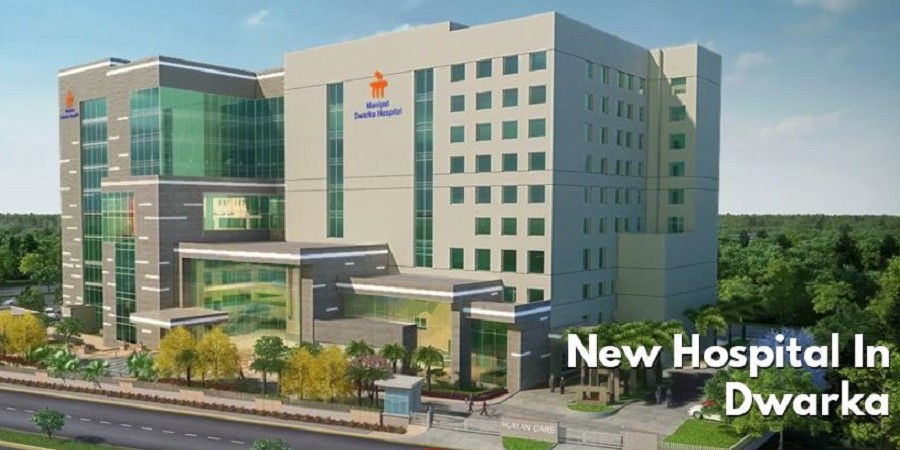
1. Manipal Hospital
Manipal Hospitals provides multidisciplinary medical care, including cancer diagnosis and treatment services at selected locations. Patients should confirm the availability of a dedicated haematology and bone marrow transplant team at their chosen branch.
Website: https://peacemedicaltourism.com/hospitals/manipal-hospital
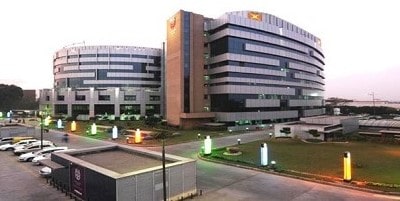
2. BLK-Max Super Speciality Hospital, New Delhi
BLK-Max offers specialised cancer care, including haematology, haemato-oncology, and bone marrow transplantation. Its services may be suitable for patients requiring evaluation and treatment for different types of leukaemia.
Website: https://peacemedicaltourism.com/hospitals/blk-hospital-best-hospital-in-india
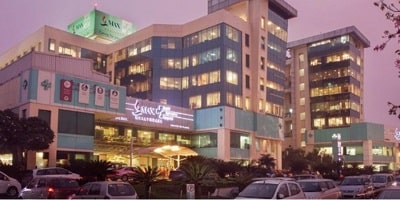
3. Max Healthcare
Max Healthcare has cancer treatment services across selected hospitals in its network. Patients can enquire about leukaemia specialists, chemotherapy, targeted treatments, and transplant services at the relevant location.
Website: https://peacemedicaltourism.com/hospitals/max-hospital
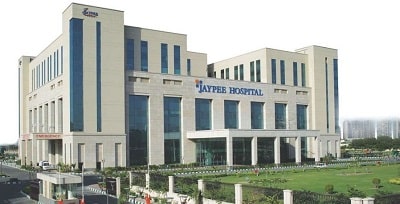
4. Jaypee Hospital, Noida
Jaypee Hospital provides multidisciplinary specialist services. Patients should confirm the availability of haemato-oncology specialists and transplant facilities for their particular diagnosis.
Website: https://peacemedicaltourism.com/hospitals/jaypee-hospital
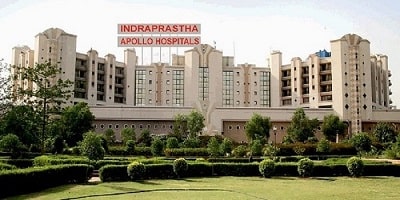
5. Apollo Hospitals
Apollo Hospitals provides oncology services and advanced diagnostic and treatment facilities across its hospital network. The availability of dedicated leukaemia treatment and bone marrow transplantation depends on the specific hospital.
Website: https://peacemedicaltourism.com/hospitals/apollo-hospital-in-delhi
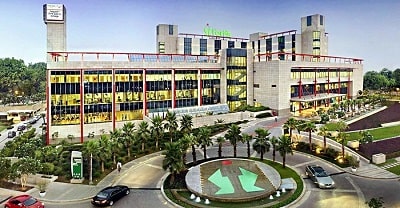
6. Fortis Healthcare
Fortis Healthcare offers specialised cancer services at selected locations. Patients can enquire about haematologists, leukaemia treatment protocols, and bone marrow transplant programmes.
Website: https://peacemedicaltourism.com/hospitals/fortis-escorts-heart-hospital-in-delhi
7. Gleneagles Global Hospitals
Gleneagles Global Hospitals provides specialist medical services, including cancer care at selected locations. Patients should confirm the availability of a dedicated haematology team and the relevant transplant services.
Website: https://peacemedicaltourism.com/hospitals/gleneagles-global-lungs-hospital
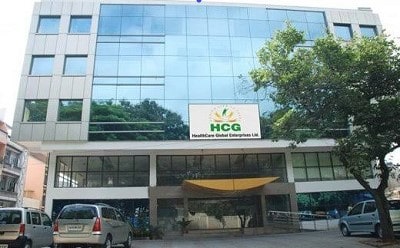
8. HCG Cancer Centre
HCG specialises in cancer care and offers oncology services across its network. Patients should enquire about haematological cancer expertise, leukaemia treatment options, and stem cell transplantation at the specific centre.
Website: https://peacemedicaltourism.com/hospitals/hcg-cancer-hospital-in-india
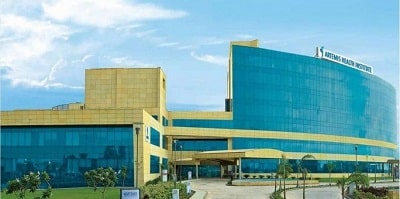
9. Artemis Hospital, Gurugram
Artemis Hospital provides specialised cancer and haematology services. Patients can enquire about leukaemia management, haemato-oncology consultations, and bone marrow transplantation.
Website: https://peacemedicaltourism.com/hospitals/artemisi-hospital-best-hospital-delhi
10. Medanta – The Medicity, Gurugram
Medanta provides multidisciplinary cancer care, including services for blood disorders and blood cancers. Patients can seek information about specialist consultations, treatment planning, and stem cell transplantation.
Website: https://peacemedicaltourism.com/hospitals/medanta-hospital
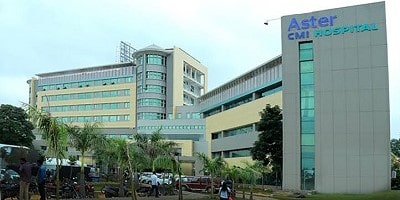
11. Aster Hospitals
Aster Hospitals provides a range of specialist medical services at its Indian locations. Patients should confirm which branch offers the required leukaemia treatment, dedicated haematology services, and bone marrow transplantation.
Website: https://peacemedicaltourism.com/hospitals/aster-cmi-hospital
12. Yashoda Hospitals
Yashoda Hospitals offers cancer care and specialist medical services. Patients can enquire about leukaemia treatment, chemotherapy, targeted therapy, and stem cell transplantation at the appropriate location.
13. Narayana Health
Narayana Health provides multidisciplinary cancer care at selected hospitals. Patients should confirm the availability of adult or paediatric haematology specialists and transplant services according to their needs.
How to Choose a Hospital for Leukemia Treatment
Before selecting a hospital, consider:
-
Experienced haematologists: Specialists with experience treating the patient's particular type of leukaemia.
-
Diagnostic facilities: Bone marrow examination and appropriate genetic and molecular testing.
-
Treatment options: Availability of chemotherapy, targeted therapy, immunotherapy, and other indicated treatments.
-
Bone marrow transplant facilities: An experienced transplant team and donor-matching support, when transplantation is appropriate.
-
Infection prevention: Facilities for monitoring and managing infections during treatment.
-
Supportive care: Access to blood transfusions, intensive care, and other specialist services.
-
Transparent cost estimates: A written estimate covering treatment, hospitalisation, medicines, and possible additional expenses.
The most appropriate hospital depends on the patient's diagnosis, age, previous treatment, and clinical needs. Not every patient with leukaemia requires a bone marrow transplant.
Leukemia Treatment Cost in India
The cost of treatment varies according to the type of leukaemia, the medicines required, the length of hospitalisation, and whether a stem cell transplant is needed. Treatment may involve chemotherapy, targeted medicines, immunotherapy, or a bone marrow transplant. Additional expenses may include diagnostic testing, blood transfusions, infection management, accommodation, and travel. For estimated costs, visit our Leukemia Cancer Treatment Cost in India page.
Why Choose Peace Medical Tourism for Leukemia Treatment in India?
Peace Medical Tourism, operated by Peace Health Care Pvt Ltd, assists international patients in exploring suitable hospitals, experienced cancer specialists, and treatment options in India.
With more than 10 years of experience in medical tourism, we help patients make informed decisions based on their medical needs, treatment requirements, and budget.
Benefits of Choosing Peace Medical Tourism
-
20+ Years of Experience: Assistance for international patients seeking medical treatment in India.
-
Hospital and Doctor Selection: Support in finding suitable hospitals and experienced haematologists for leukaemia treatment.
-
Affordable Treatment Options: Assistance in exploring treatment estimates at different hospitals according to the patient's budget.
-
Comprehensive and Transparent Support: Clear information about available services, estimated expenses, and treatment coordination.
-
Personalised Treatment Planning: Coordination of medical reports for review by the treating specialist.
-
Advanced Medical Facilities: Access to hospitals offering modern diagnostic technologies and treatment options, subject to availability at the selected centre.
-
International Patient Services: Assistance with appointments, medical visa documentation, airport transfers, and accommodation arrangements, where applicable.
-
Follow-up Coordination: Assistance in communicating with the treating medical team after the patient returns home.
Affordable Leukemia Treatment Cost in India
- The cost of leukaemia treatment depends on the type of blood cancer, the patient's condition, the medicines required, and whether a bone marrow transplant is recommended.
- Peace Medical Tourism helps international patients explore suitable treatment options and obtain hospital-specific cost estimates.
- Learn more about Bone Marrow Transplant Cost in India.
What Is Leukemia?
Leukemia is a type of cancer that affects the blood-forming tissues, including the bone marrow and lymphatic system. It is commonly known as blood cancer. Leukemia usually develops when abnormal blood cells, often white blood cells, grow uncontrollably and interfere with the production of healthy blood cells.
Healthy white blood cells help the body fight infections. However, in leukemia, abnormal cells may not function properly and can reduce the body's ability to fight infections. Leukemia can also cause anemia, easy bleeding, bruising, and fatigue.
What Are the Different Types of Leukemia?
Leukemia is classified into four major types based on how quickly it progresses and which type of blood cell is affected.
-
Acute Lymphoblastic Leukemia (ALL): A fast-growing cancer that affects immature lymphoid cells. It is more common in children but can also occur in adults.
-
Chronic Lymphocytic Leukemia (CLL): Usually a slow-growing cancer that affects lymphocytes, a type of white blood cell. It is more common in older adults.
-
Acute Myeloid Leukemia (AML): A fast-growing cancer that affects immature myeloid cells and requires prompt medical evaluation and treatment.
-
Chronic Myeloid Leukemia (CML): A cancer that affects myeloid cells and often progresses slowly, although its course can vary.
Can Leukemia Be Treated?
Yes. Leukemia treatment depends on the type, stage or phase of the disease, genetic findings, the patient's age, and overall health. Treatment options may include chemotherapy, targeted therapy, immunotherapy, stem cell or bone marrow transplantation, and other specialist-recommended treatments.
Early diagnosis and care from a qualified haematologist or haematologist-oncologist are important. The most appropriate treatment plan should be decided after reviewing the patient's medical reports and diagnostic test results.
What Are the Signs and Symptoms of Leukemia?
The signs and symptoms of leukemia can vary depending on the type of leukemia and how quickly it develops. Some symptoms may appear gradually, while others can develop over a short period.
Common signs and symptoms of leukemia include:
-
Bone or Joint Pain: Pain or tenderness in the bones or joints due to abnormal blood cell buildup in the bone marrow.
-
Swollen Lymph Nodes: Painless swelling in the neck, armpits, or groin.
-
Fever or Night Sweats: Repeated fever or excessive sweating during the night.
-
Weakness and Fatigue: Feeling unusually tired or weak, sometimes due to anemia.
-
Easy Bleeding or Bruising: Frequent nosebleeds, bleeding gums, or bruises that appear easily.
-
Frequent Infections: Repeated infections because abnormal white blood cells may not protect the body effectively.
-
Abdominal Swelling or Discomfort: Enlargement of the spleen or liver may cause a feeling of fullness or swelling in the abdomen.
-
Unexplained Weight Loss: Losing weight without changing your diet or physical activity.
-
Pale Skin: Paleness that may occur because of a low red blood cell count.
-
Small Red or Purple Spots on the Skin: These may appear due to a low platelet count.
When Should You See a Doctor?
Consult a healthcare professional if you experience persistent, unexplained symptoms such as fever, fatigue, frequent infections, unusual bleeding, or unexplained weight loss. These symptoms can occur for many reasons and do not necessarily mean you have leukemia.
A doctor may recommend a complete blood count (CBC) and other tests if leukemia is suspected. Early medical assessment can help identify the cause and guide appropriate treatment.
What Are the Risk Factors for Leukemia?
Leukemia is a type of blood cancer that develops due to changes in blood-forming cells. The exact cause is often unknown, but certain factors may increase a person's risk of developing leukemia.
Common Risk Factors for Leukemia
-
Previous Cancer Treatment: Certain chemotherapy drugs and high-dose radiation therapy used to treat other cancers may increase the risk of developing leukemia later in life.
-
Family History: Having a close family member with certain types of leukemia may increase the risk, although most people diagnosed with leukemia do not have a family history of the disease.
-
Genetic Disorders: Certain inherited conditions, such as Down syndrome and Fanconi anemia, are associated with an increased risk of some types of leukemia.
-
Exposure to Certain Chemicals: Long-term or high-level exposure to benzene, a chemical found in some industrial environments and tobacco smoke, is associated with an increased risk of certain types of leukemia.
-
Exposure to Radiation: High levels of ionizing radiation can increase the risk of leukemia.
-
Smoking: Cigarette smoking is an established risk factor for acute myeloid leukemia (AML).
Can Leukemia Be Prevented?
Many cases of leukemia cannot be prevented because the exact cause is unknown. However, avoiding tobacco, following workplace chemical-safety guidelines, and minimizing unnecessary exposure to ionizing radiation may help reduce certain risks.
Having one or more risk factors does not mean a person will develop leukemia. If you have concerns about your personal or family history, consult a qualified healthcare professional.
How to Prepare for Leukemia Treatment?
Preparing for leukemia treatment involves choosing an appropriate hospital, consulting an experienced haematologist or haematologist-oncologist, reviewing medical reports, and understanding the proposed treatment plan. The preparation process depends on the type of leukemia, the patient's overall health, and the recommended treatment.
1. Choose the Right Hospital and Specialist
Choose a hospital with experienced haematologists, oncology specialists, modern diagnostic facilities, and access to appropriate treatments, including chemotherapy, targeted therapy, immunotherapy, and bone marrow or stem cell transplantation when indicated. Compare hospitals based on clinical expertise, available services, estimated costs, and patient support.
2. Understand the Cost of Leukemia Treatment in India
The estimated cost of leukemia treatment in India may range from USD 19,000 to USD 30,000 for certain treatment plans. However, this is an indicative estimate, not a fixed price for all patients. The actual cost depends on the type of leukemia, treatment protocol, medicines, hospital facilities, specialist fees, length of stay, and whether a stem cell transplant is required.
For an individual estimate, patients can share their medical reports with the treating hospital for review. Explore treatment packages and cost estimates.
3. Complete the Required Medical Tests
Before treatment begins, the medical team may recommend tests to assess the patient's condition and identify any treatment-related risks. These may include:
- Complete blood count (CBC) and other blood tests.
- Kidney and liver function tests.
- Blood grouping and compatibility tests, if required.
- ECG and echocardiogram (ECHO) to assess heart function when indicated.
- Urine tests, if required.
- Bone marrow examination, genetic tests, or other investigations to confirm the leukemia type and guide treatment.
- Infection screening and other assessments based on the patient's condition.
Important: Leukemia treatment does not always involve surgery. Pre-treatment investigations are selected according to the planned therapy, and not every patient needs every test.
4. Inform the Doctor About Medications and Medical History
Tell the treating team about all medicines, vitamins, supplements, allergies, previous treatments, and existing medical conditions. Do not stop or change any medication, including blood thinners, without the doctor's advice.
5. Understand the Treatment Plan and Give Informed Consent
The doctor should explain the proposed treatment, expected benefits, possible side effects, alternatives, and necessary follow-up. Patients will generally be asked to provide informed consent before treatment or a procedure. Ask questions and clarify any concerns before signing.
6. Arrange Practical and Emotional Support
Depending on the treatment plan, patients may need accommodation near the hospital, a caregiver, financial planning, and support during recovery. International patients should also coordinate travel dates, medical visa requirements, and hospital appointments in advance.
7. Follow the Medical Team's Instructions
Follow the specialist's guidance on nutrition, infection prevention, vaccinations, medicines, and hospital admission. Patients receiving leukemia treatment may have a weakened immune system, so prompt reporting of fever or other signs of infection is particularly important.
Note: The treating haematologist or haematologist-oncologist will provide personalized preparation instructions after reviewing the patient's diagnosis, test results, and treatment plan.
How Is the Leukemia Treatment Procedure Performed?
Leukemia treatment depends on the type of leukemia, its progression, the patient's age, overall health, and the results of blood and bone marrow tests. Treatment is planned by a haematologist or haematologist-oncologist after confirming the diagnosis.
1. Diagnosis and Medical Evaluation
The doctor may recommend several tests to confirm leukemia, identify its type, and select the most appropriate treatment. These may include:
- Blood tests: A complete blood count (CBC) and blood smear help assess blood cells and identify abnormalities.
- Physical examination: The doctor checks for swollen lymph nodes, an enlarged spleen or liver, and other signs of disease.
- Bone marrow examination: A bone marrow aspiration or biopsy may be performed to examine abnormal blood-forming cells.
- Genetic and molecular tests: These help identify specific changes in leukemia cells and guide treatment selection.
- Imaging and other tests: Additional investigations may be recommended when necessary.
Important: Leukemia is not generally classified into stages I, II, III, and IV like many solid cancers. Its classification depends on the type of leukemia and, in some cases, its phase or risk category.
2. Chemotherapy
Chemotherapy uses medicines to destroy leukemia cells or stop them from growing. It is an important treatment for several types of leukemia, including acute lymphoblastic leukemia (ALL) and acute myeloid leukemia (AML).
Treatment may involve different phases, such as induction therapy to achieve remission and further treatment to reduce the risk of relapse. The medicines, duration, and number of cycles depend on the leukemia type and the patient's response.
3. Targeted Therapy and Immunotherapy
Some patients may receive targeted therapy, which acts on specific changes in leukemia cells. Immunotherapy helps the immune system recognize and attack cancer cells. Depending on the diagnosis, options may include targeted medicines, monoclonal antibodies, or specialized cellular therapies.
These treatments are not suitable for every patient; the choice depends on the leukemia subtype and test results.
4. Radiation Therapy
Radiation therapy uses high-energy radiation to destroy cancer cells in a specific area. It is not routinely needed for every type of leukemia, but it may be recommended in selected cases, such as certain situations involving the central nervous system or before a stem cell transplant.
The number and frequency of sessions depend on the treatment plan. Radiation is not automatically given after surgery, as surgery is not the standard primary treatment for most leukemias.
5. Surgery to Remove the Spleen
Surgery to remove the spleen, known as a splenectomy, may be considered in selected cases when the spleen is significantly enlarged or causes serious complications. It is not a routine treatment for leukemia and is appropriate only for specific clinical reasons.
6. Stem Cell or Bone Marrow Transplant
A stem cell transplant may be recommended for certain patients, depending on the leukemia type, risk category, response to treatment, and overall fitness.
The procedure involves intensive treatment to control leukemia, followed by the infusion of healthy blood-forming stem cells to rebuild the bone marrow.
The main types include:
-
Autologous stem cell transplant: Uses the patient's own previously collected stem cells. This is not commonly used for most types of leukemia.
-
Allogeneic stem cell transplant: Uses stem cells from a suitable donor. This is an important option for selected patients with high-risk or relapsed leukemia.
A transplant requires careful assessment because it can cause serious complications, including infections and graft-versus-host disease
What is the post-op care for Leukemia treatment?
Post-Treatment Care After Leukemia Treatment
Post-treatment care is essential for recovery after leukemia treatment. Patients need regular follow-up with their hematologist or oncologist to monitor blood cell counts, assess treatment response, detect relapse, and manage potential complications.
1. Routine Investigations
- Regular blood tests, including a complete blood count (CBC).
- Bone marrow tests when recommended by the treating specialist.
- Molecular or genetic tests to monitor minimal residual disease (MRD), when appropriate.
- Additional tests based on the type of leukemia and treatment received.
2. Preventing Infections
Patients may have weakened immunity after treatment. Maintain good hygiene, avoid contact with people who have contagious illnesses, and follow the doctor's vaccination recommendations.
3. Medications and Nutrition
Take all prescribed medicines as directed. Follow a balanced diet, maintain adequate hydration, and consult your healthcare team before taking supplements or herbal products.
4. Monitoring for Side Effects
Report fever, unusual bleeding, bruising, severe fatigue, breathlessness, or other new symptoms promptly. Fever during periods of low white blood cell counts can be a medical emergency.
5. Regular Follow-Up
Follow-up appointments may include blood tests, physical examinations, and bone marrow or molecular testing, depending on the leukemia subtype and treatment plan. Visits are often more frequent initially and may become less frequent over time.
6. Recovery and Lifestyle
Gradually return to normal activities as advised by your doctor. Adequate rest, appropriate physical activity, emotional support, and rehabilitation can help improve quality of life.
Important: Follow-up schedules for leukemia differ from those for solid cancers such as colon cancer. CEA testing and routine colonoscopy every five years are not standard follow-up recommendations for leukemia; these tests are used in specific circumstances for other conditions. The patient's hematologist should determine the appropriate monitoring schedule based on the type of leukemia and treatment received.
What Is the Success Rate of Leukemia Treatment?
The success rate of leukemia treatment depends on several factors, including the type of leukemia, the patient's age, overall health, genetic changes in cancer cells, and response to treatment. Treatment options may include chemotherapy, targeted therapy, immunotherapy, and stem cell or bone marrow transplantation.
For example, acute myeloid leukemia (AML) can respond well to treatment, but outcomes vary significantly by age, AML subtype, genetic risk group, and treatment response. Survival rates should not be considered a guarantee of an individual patient's outcome.
Leukemia Survival Rates by Type
The following table provides approximate 5-year relative survival rates in the United States. These are population statistics, not treatment success rates for individual patients.
Type of leukemia
Approximate 5-year relative survival rate
- Acute lymphoblastic leukemia (ALL) 72%
- Acute myeloid leukemia (AML) 32%
- Chronic lymphocytic leukemia (CLL) 89%
- Chronic myeloid leukemia (CML) 70%
Note: These are broad estimates based on population data; survival varies by age, disease subtype, risk factors, and treatment advances.
Does Leukemia Have Stages 0 to IV?
Unlike many solid cancers, leukemia is generally not classified into stages 0, I, II, III, and IV. Its classification depends on the leukemia type. For example, CLL uses a staging system, while AML and ALL are assessed using disease subtype, genetic findings, and treatment response.
For accurate information, a hematologist should evaluate the patient's specific leukemia type and test results.
What Questions Should You Ask Before Leukemia Treatment?
Before starting leukemia treatment in India, patients should discuss the diagnosis, treatment options, risks, recovery time, and costs with their hematologist or bone marrow transplant (BMT) specialist. Here are some important questions to ask before beginning treatment.
1. Are you a qualified and experienced hematologist or bone marrow transplant (BMT) specialist in India?
Ask about the doctor's qualifications, experience, and expertise in treating your specific type of leukemia.
2. Is your hospital equipped to provide leukemia treatment?
Ask whether the hospital has specialized oncology services, a bone marrow transplant unit, and the necessary facilities for managing complications.
3. Which is the best hospital for leukemia treatment in Delhi?
Ask your doctor to recommend a suitable hospital based on your diagnosis, treatment needs, budget, and medical condition.
4. Who are the best doctors for blood cancer treatment in Delhi?
Look for experienced hematologists, hemato-oncologists, and BMT specialists who regularly treat your type of leukemia.
5. Am I a suitable candidate for the recommended leukemia treatment?
Your doctor will assess your leukemia subtype, test results, age, overall health, and treatment goals.
6. What is the success rate of leukemia treatment?
Ask about treatment outcomes for patients with your specific type of leukemia and risk category.
7. How long can a person live with leukemia?
Life expectancy varies depending on the type of leukemia, age, genetic factors, response to treatment, and overall health.
8. Is leukemia curable?
Some types of leukemia can be cured, while others can be controlled for many years. Your doctor can explain the likely outcome for your particular condition.
9. What treatment plan do you recommend, and why?
Ask whether chemotherapy, targeted therapy, immunotherapy, or a bone marrow transplant is appropriate for your condition.
10. What are the advantages and disadvantages of each treatment option?
Understand the expected benefits, possible side effects, risks, and alternative treatments before making a decision.
11. How much does leukemia treatment cost in India?
Request a detailed estimate covering consultations, diagnostic tests, medicines, hospitalization, chemotherapy, and bone marrow transplantation if required.
12. How long will my leukemia treatment take?
Treatment duration depends on the type of leukemia, the treatment protocol, and your response to therapy.
13. How long will I need to stay in the hospital?
Ask about the expected hospital stay and whether you will need to remain near the hospital for regular monitoring after discharge.
14. What are the possible risks and side effects of leukemia treatment?
Discuss possible infections, bleeding, anemia, medication side effects, and other complications associated with your recommended treatment.
15. What are the main risk factors associated with my type of leukemia?
Ask how your leukemia subtype, genetic findings, age, and other medical conditions may affect your treatment and prognosis.
16. How long will recovery take after leukemia treatment?
Recovery varies depending on the treatment used, your response, and whether complications occur.
17. When can I return to normal activities, including work and exercise?
Your doctor can advise when it is safe to resume daily activities based on your blood counts, energy levels, immune function, and treatment progress.
18. Will I need follow-up appointments or tests after treatment?
Regular follow-up may include blood tests, bone marrow examinations, and other tests to monitor treatment response and detect relapse.
Important: Before choosing a leukemia treatment centre, compare the specialist's experience, hospital facilities, treatment options, expected costs, and follow-up support. No hospital or doctor can guarantee a particular treatment outcome.
leukemia treatment in India, leukemia treatment cost in India, best hospital for leukemia treatment in Delhi, best leukemia doctors in Delhi, blood cancer treatment in India, leukemia specialist in India, hematologist in India, hemato-oncologist in India, bone marrow transplant in India, BMT specialist in India, leukemia treatment success rate, leukemia survival rate, leukemia symptoms, leukemia causes, leukemia diagnosis, leukemia treatment options, acute myeloid leukemia treatment, AML treatment in India, acute lymphoblastic leukemia treatment, ALL treatment in India, chronic lymphocytic leukemia treatment, CLL treatment in India, chronic myeloid leukemia treatment, CML treatment in India, chemotherapy for leukemia, targeted therapy for leukemia, immunotherapy for leukemia, leukemia recovery time, leukemia treatment risks, leukemia treatment hospitals in Delhi, leukemia treatment for international patients, medical tourism in India, Peace Medical Tourism
Top Doctors





Top Hospitals








LEUKEMIA CANCER TREATMENT COST IN INDIA
Duration of Treatment
usually takes 2 to 3 months
Days of Stay
Usually 15 to 20 days at the hospital and 4 weeks outside the hospital.
Anesthesia
General anaesthesia or Non-need anaesthesia
Cost
19,000 to 30,000 USD
How Much Does Leukemia Cancer Treatment Cost in India?
- Looking for the leukemia cancer treatment cost in India or the best hospital for leukemia treatment at an affordable price? India offers a range of treatment options in cities such as Delhi, Mumbai, Chennai, Kolkata, and Bangalore.
- The total cost of leukemia treatment depends on the type of leukemia, the stage and severity of the disease, the patient's overall health, the medicines required, and whether a bone marrow transplant is necessary.
- Peace Medical Tourism helps international patients explore suitable hospitals, experienced cancer specialists, treatment options, and estimated costs in India.
Leukemia Treatment Cost in India
The following prices are approximate estimates in USD. Actual costs may vary depending on the patient's diagnosis, hospital, treatment protocol, and length of stay.
| Treatment or Service | Estimated Cost in India |
|---|---|
| Spleen removal surgery, if medically required | $5,000–$8,000 |
| Radiation therapy | $3,800–$5,800 |
| Chemotherapy | $300–$600 per cycle |
| Bone marrow transplant (BMT) | $18,000–$40,000 |
| Hotel accommodation near the hospital | $18–$50 per night |
| Food expenses | $20–$30 per day |
| Miscellaneous expenses | Approximately $20 per day |
Important: These are indicative estimates, not guaranteed hospital quotations. Chemotherapy costs depend on the drugs, number of cycles, and treatment protocol. Bone marrow or stem cell transplantation costs can vary considerably according to the transplant type, donor availability, complications, and hospital facilities.
Spleen removal surgery is not a routine treatment for all leukemia patients. It is considered only in selected cases when medically indicated. Similarly, radiation therapy is used only for specific clinical situations.
What Factors Affect the Cost of Leukemia Treatment in India?
The total cost may depend on:
-
Type of leukemia: Acute lymphoblastic leukemia (ALL), acute myeloid leukemia (AML), chronic lymphocytic leukemia (CLL), and chronic myeloid leukemia (CML) require different treatment approaches.
-
Treatment plan: Chemotherapy, targeted therapy, immunotherapy, or stem cell transplantation may be recommended depending on the diagnosis.
-
Hospital and city: Costs vary between hospitals and cities.
-
Medicines and investigations: Molecular testing, genetic testing, blood tests, imaging, and specialised medicines can affect the total bill.
-
Transplant requirements: Donor matching, conditioning treatment, hospitalisation, and post-transplant monitoring can increase costs.
-
Complications and hospital stay: Infections, blood transfusions, intensive care, and other supportive treatments may add expenses.
-
Accommodation and travel: International patients should also budget for flights, visas, accommodation, meals, local transport, and follow-up visits.
Get a Personalised Leukemia Treatment Estimate
The final treatment plan and cost can be determined only after a fresh medical evaluation. Patients or family members can share available reports, including blood tests, bone marrow examination, and relevant genetic or molecular test results, for review by the treating medical team.
Contact Peace Medical Tourism
-
Call / WhatsApp / Viber: +91 9582708782
-
Submit an enquiry: https://peacemedicaltourism.com/contact-us
-
Leukemia treatment cost: https://peacemedicaltourism.com/treatments/leukaemia-cancer-treatment-cost-in-india
-
Bone marrow transplant hospitals in India: https://peacemedicaltourism.com/blog/top-10-bone-marrow-hospitals-in-india
-
Find cancer doctors: https://peacemedicaltourism.com/doctors
Our team can help you explore available options and understand the estimated expenses for treatment in India.
Medical disclaimer: All costs are approximate and subject to confirmation by the selected hospital. Treatment recommendations, expected outcomes, and eligibility for transplantation depend on individual medical assessment.
Who Is the Best Bone Marrow Transplant Doctor (Haematologist) in India?
- India has experienced haematologists and bone marrow transplant specialists who treat blood cancers and complex blood disorders. These specialists manage conditions such as leukaemia, lymphoma, multiple myeloma, aplastic anaemia, thalassaemia, and other bone marrow diseases.
- Choosing the right doctor depends on the patient's diagnosis, age, transplant requirements, donor availability, and the specialist's experience with the relevant condition.
- Peace Medical Tourism helps international patients explore suitable doctors and hospitals for bone marrow transplantation in India.
Top Bone Marrow Transplant Doctors in India
The following doctors are options to consider when researching haematology and bone marrow transplantation. This is a reference list, not a definitive ranking of clinical outcomes.
1. Dr. Dharma Choudhary — BLK-Max Super Speciality Hospital, New Delhi
Dr. Dharma Choudhary specialises in haematology, blood cancer treatment, and bone marrow transplantation. His areas of expertise include leukaemia, bone marrow failure syndromes, and inherited blood disorders.
2. Dr. Shishir Sheth — Apollo Hospital
Dr. Shishir Sheth is included in the proposed list of haematology specialists. Patients should confirm his current hospital affiliation, clinical specialisation, and bone marrow transplant services directly with the hospital before booking an appointment.
3. Dr. Pawan Kumar Singh — Artemis Hospitals
Dr. Pawan Kumar Singh has experience in haemato-oncology and bone marrow transplantation. His work has included leadership in haematology and bone marrow transplant services at Artemis.
4. Dr. Rahul Bhargava — Fortis Hospital
Dr. Rahul Bhargava is a name to consider when researching blood cancer and bone marrow transplant services. Confirm his current hospital affiliation and availability for the specific transplant or blood disorder involved.
5. Dr. Vikas Dua — Fortis Hospital
Dr. Vikas Dua is included among the proposed specialists for consideration. Before making a referral, verify his current institution, expertise in paediatric or adult haematology, and experience with the patient's specific condition.
6. Dr. Sumant Gupta — Sarvodaya Hospital, Faridabad
Dr. Sumant Gupta is a medical oncologist with experience in haematological malignancies, including leukaemia, lymphoma, and multiple myeloma. His professional profile also describes involvement in bone marrow transplantation.
7. Dr. Rahul Naithani — Artemis Hospitals, Gurugram
Dr. Rahul Naithani specialises in haematology, haemato-oncology, and bone marrow transplantation. His clinical areas include adult and paediatric haematology and haematopoietic stem cell transplantation.
8. Dr. Sachin Suresh Jadhav — HCG Hospital
Dr. Sachin Suresh Jadhav is included in the proposed list of specialists. Patients should confirm his current hospital affiliation and specific bone marrow transplant expertise with HCG before arranging a consultation.
9. Dr. Nitin Sood — Medanta, Gurugram
Dr. Nitin Sood specialises in haematology, haemato-oncology, and stem cell transplantation. His areas of expertise include leukaemia, lymphoma, multiple myeloma, thalassaemia, aplastic anaemia, and other blood disorders.
How to Choose the Best Bone Marrow Transplant Doctor in India
Before selecting a specialist, consider the following factors:
- Relevant experience: Experience treating the patient's specific blood cancer or blood disorder.
- Transplant expertise: Experience with the appropriate type of stem cell transplant.
- Hospital facilities: Availability of a dedicated transplant unit, infection control, blood bank, intensive care, and specialist laboratory services.
- Donor support: Access to donor matching and HLA testing when required.
- Treatment planning: A clear explanation of the benefits, risks, alternatives, and estimated costs.
- Follow-up care: A plan for monitoring, infection prevention, and management of complications after transplantation.
A bone marrow transplant is not necessary for every patient with leukaemia or another blood disorder. The treating haematologist determines whether transplantation is appropriate after reviewing diagnostic results and the patient's overall condition.
What Is the Best Hospital for Leukemia Treatment in India?
- India has several hospitals offering specialised care for patients with leukaemia (leukemia) and other blood cancers. Treatment may include chemotherapy, targeted therapy, immunotherapy, and bone marrow or stem cell transplantation, depending on the type of leukaemia and the patient's condition.
- If you are looking for the best hospital for leukemia treatment in India, it is important to consider the hospital's haematology and haemato-oncology departments, bone marrow transplant facilities, experienced specialists, infection control, and supportive care services.
- Peace Medical Tourism helps international patients explore suitable hospitals and doctors in India and obtain treatment estimates based on their medical reports.
Top Hospitals for Leukemia Treatment in India
1. Manipal Hospital
Manipal Hospitals provides multidisciplinary medical care, including cancer diagnosis and treatment services at selected locations. Patients should confirm the availability of a dedicated haematology and bone marrow transplant team at their chosen branch.
Website: https://peacemedicaltourism.com/hospitals/manipal-hospital
2. BLK-Max Super Speciality Hospital, New Delhi
BLK-Max offers specialised cancer care, including haematology, haemato-oncology, and bone marrow transplantation. Its services may be suitable for patients requiring evaluation and treatment for different types of leukaemia.
Website: https://peacemedicaltourism.com/hospitals/blk-hospital-best-hospital-in-india
3. Max Healthcare
Max Healthcare has cancer treatment services across selected hospitals in its network. Patients can enquire about leukaemia specialists, chemotherapy, targeted treatments, and transplant services at the relevant location.
Website: https://peacemedicaltourism.com/hospitals/max-hospital
4. Jaypee Hospital, Noida
Jaypee Hospital provides multidisciplinary specialist services. Patients should confirm the availability of haemato-oncology specialists and transplant facilities for their particular diagnosis.
Website: https://peacemedicaltourism.com/hospitals/jaypee-hospital
5. Apollo Hospitals
Apollo Hospitals provides oncology services and advanced diagnostic and treatment facilities across its hospital network. The availability of dedicated leukaemia treatment and bone marrow transplantation depends on the specific hospital.
Website: https://peacemedicaltourism.com/hospitals/apollo-hospital-in-delhi
6. Fortis Healthcare
Fortis Healthcare offers specialised cancer services at selected locations. Patients can enquire about haematologists, leukaemia treatment protocols, and bone marrow transplant programmes.
Website: https://peacemedicaltourism.com/hospitals/fortis-escorts-heart-hospital-in-delhi
7. Gleneagles Global Hospitals
Gleneagles Global Hospitals provides specialist medical services, including cancer care at selected locations. Patients should confirm the availability of a dedicated haematology team and the relevant transplant services.
Website: https://peacemedicaltourism.com/hospitals/gleneagles-global-lungs-hospital
8. HCG Cancer Centre
HCG specialises in cancer care and offers oncology services across its network. Patients should enquire about haematological cancer expertise, leukaemia treatment options, and stem cell transplantation at the specific centre.
Website: https://peacemedicaltourism.com/hospitals/hcg-cancer-hospital-in-india
9. Artemis Hospital, Gurugram
Artemis Hospital provides specialised cancer and haematology services. Patients can enquire about leukaemia management, haemato-oncology consultations, and bone marrow transplantation.
Website: https://peacemedicaltourism.com/hospitals/artemisi-hospital-best-hospital-delhi
10. Medanta – The Medicity, Gurugram
Medanta provides multidisciplinary cancer care, including services for blood disorders and blood cancers. Patients can seek information about specialist consultations, treatment planning, and stem cell transplantation.
Website: https://peacemedicaltourism.com/hospitals/medanta-hospital
11. Aster Hospitals
Aster Hospitals provides a range of specialist medical services at its Indian locations. Patients should confirm which branch offers the required leukaemia treatment, dedicated haematology services, and bone marrow transplantation.
Website: https://peacemedicaltourism.com/hospitals/aster-cmi-hospital
12. Yashoda Hospitals
Yashoda Hospitals offers cancer care and specialist medical services. Patients can enquire about leukaemia treatment, chemotherapy, targeted therapy, and stem cell transplantation at the appropriate location.
13. Narayana Health
Narayana Health provides multidisciplinary cancer care at selected hospitals. Patients should confirm the availability of adult or paediatric haematology specialists and transplant services according to their needs.
How to Choose a Hospital for Leukemia Treatment
Before selecting a hospital, consider:
-
Experienced haematologists: Specialists with experience treating the patient's particular type of leukaemia.
-
Diagnostic facilities: Bone marrow examination and appropriate genetic and molecular testing.
-
Treatment options: Availability of chemotherapy, targeted therapy, immunotherapy, and other indicated treatments.
-
Bone marrow transplant facilities: An experienced transplant team and donor-matching support, when transplantation is appropriate.
-
Infection prevention: Facilities for monitoring and managing infections during treatment.
-
Supportive care: Access to blood transfusions, intensive care, and other specialist services.
-
Transparent cost estimates: A written estimate covering treatment, hospitalisation, medicines, and possible additional expenses.
The most appropriate hospital depends on the patient's diagnosis, age, previous treatment, and clinical needs. Not every patient with leukaemia requires a bone marrow transplant.
Leukemia Treatment Cost in India
The cost of treatment varies according to the type of leukaemia, the medicines required, the length of hospitalisation, and whether a stem cell transplant is needed. Treatment may involve chemotherapy, targeted medicines, immunotherapy, or a bone marrow transplant. Additional expenses may include diagnostic testing, blood transfusions, infection management, accommodation, and travel. For estimated costs, visit our Leukemia Cancer Treatment Cost in India page.
Why Choose Peace Medical Tourism for Leukemia Treatment in India?
Peace Medical Tourism, operated by Peace Health Care Pvt Ltd, assists international patients in exploring suitable hospitals, experienced cancer specialists, and treatment options in India.
With more than 10 years of experience in medical tourism, we help patients make informed decisions based on their medical needs, treatment requirements, and budget.
Benefits of Choosing Peace Medical Tourism
-
20+ Years of Experience: Assistance for international patients seeking medical treatment in India.
-
Hospital and Doctor Selection: Support in finding suitable hospitals and experienced haematologists for leukaemia treatment.
-
Affordable Treatment Options: Assistance in exploring treatment estimates at different hospitals according to the patient's budget.
-
Comprehensive and Transparent Support: Clear information about available services, estimated expenses, and treatment coordination.
-
Personalised Treatment Planning: Coordination of medical reports for review by the treating specialist.
-
Advanced Medical Facilities: Access to hospitals offering modern diagnostic technologies and treatment options, subject to availability at the selected centre.
-
International Patient Services: Assistance with appointments, medical visa documentation, airport transfers, and accommodation arrangements, where applicable.
-
Follow-up Coordination: Assistance in communicating with the treating medical team after the patient returns home.
Affordable Leukemia Treatment Cost in India
- The cost of leukaemia treatment depends on the type of blood cancer, the patient's condition, the medicines required, and whether a bone marrow transplant is recommended.
- Peace Medical Tourism helps international patients explore suitable treatment options and obtain hospital-specific cost estimates.
- Learn more about Bone Marrow Transplant Cost in India.
What Is Leukemia?
Leukemia is a type of cancer that affects the blood-forming tissues, including the bone marrow and lymphatic system. It is commonly known as blood cancer. Leukemia usually develops when abnormal blood cells, often white blood cells, grow uncontrollably and interfere with the production of healthy blood cells.
Healthy white blood cells help the body fight infections. However, in leukemia, abnormal cells may not function properly and can reduce the body's ability to fight infections. Leukemia can also cause anemia, easy bleeding, bruising, and fatigue.
What Are the Different Types of Leukemia?
Leukemia is classified into four major types based on how quickly it progresses and which type of blood cell is affected.
-
Acute Lymphoblastic Leukemia (ALL): A fast-growing cancer that affects immature lymphoid cells. It is more common in children but can also occur in adults.
-
Chronic Lymphocytic Leukemia (CLL): Usually a slow-growing cancer that affects lymphocytes, a type of white blood cell. It is more common in older adults.
-
Acute Myeloid Leukemia (AML): A fast-growing cancer that affects immature myeloid cells and requires prompt medical evaluation and treatment.
-
Chronic Myeloid Leukemia (CML): A cancer that affects myeloid cells and often progresses slowly, although its course can vary.
Can Leukemia Be Treated?
Yes. Leukemia treatment depends on the type, stage or phase of the disease, genetic findings, the patient's age, and overall health. Treatment options may include chemotherapy, targeted therapy, immunotherapy, stem cell or bone marrow transplantation, and other specialist-recommended treatments.
Early diagnosis and care from a qualified haematologist or haematologist-oncologist are important. The most appropriate treatment plan should be decided after reviewing the patient's medical reports and diagnostic test results.
symptoms
What Are the Signs and Symptoms of Leukemia?
The signs and symptoms of leukemia can vary depending on the type of leukemia and how quickly it develops. Some symptoms may appear gradually, while others can develop over a short period.
Common signs and symptoms of leukemia include:
-
Bone or Joint Pain: Pain or tenderness in the bones or joints due to abnormal blood cell buildup in the bone marrow.
-
Swollen Lymph Nodes: Painless swelling in the neck, armpits, or groin.
-
Fever or Night Sweats: Repeated fever or excessive sweating during the night.
-
Weakness and Fatigue: Feeling unusually tired or weak, sometimes due to anemia.
-
Easy Bleeding or Bruising: Frequent nosebleeds, bleeding gums, or bruises that appear easily.
-
Frequent Infections: Repeated infections because abnormal white blood cells may not protect the body effectively.
-
Abdominal Swelling or Discomfort: Enlargement of the spleen or liver may cause a feeling of fullness or swelling in the abdomen.
-
Unexplained Weight Loss: Losing weight without changing your diet or physical activity.
-
Pale Skin: Paleness that may occur because of a low red blood cell count.
-
Small Red or Purple Spots on the Skin: These may appear due to a low platelet count.
When Should You See a Doctor?
Consult a healthcare professional if you experience persistent, unexplained symptoms such as fever, fatigue, frequent infections, unusual bleeding, or unexplained weight loss. These symptoms can occur for many reasons and do not necessarily mean you have leukemia.
A doctor may recommend a complete blood count (CBC) and other tests if leukemia is suspected. Early medical assessment can help identify the cause and guide appropriate treatment.
risk factors
What Are the Risk Factors for Leukemia?
Leukemia is a type of blood cancer that develops due to changes in blood-forming cells. The exact cause is often unknown, but certain factors may increase a person's risk of developing leukemia.
Common Risk Factors for Leukemia
-
Previous Cancer Treatment: Certain chemotherapy drugs and high-dose radiation therapy used to treat other cancers may increase the risk of developing leukemia later in life.
-
Family History: Having a close family member with certain types of leukemia may increase the risk, although most people diagnosed with leukemia do not have a family history of the disease.
-
Genetic Disorders: Certain inherited conditions, such as Down syndrome and Fanconi anemia, are associated with an increased risk of some types of leukemia.
-
Exposure to Certain Chemicals: Long-term or high-level exposure to benzene, a chemical found in some industrial environments and tobacco smoke, is associated with an increased risk of certain types of leukemia.
-
Exposure to Radiation: High levels of ionizing radiation can increase the risk of leukemia.
-
Smoking: Cigarette smoking is an established risk factor for acute myeloid leukemia (AML).
Can Leukemia Be Prevented?
Many cases of leukemia cannot be prevented because the exact cause is unknown. However, avoiding tobacco, following workplace chemical-safety guidelines, and minimizing unnecessary exposure to ionizing radiation may help reduce certain risks.
Having one or more risk factors does not mean a person will develop leukemia. If you have concerns about your personal or family history, consult a qualified healthcare professional.
preparation
How to Prepare for Leukemia Treatment?
Preparing for leukemia treatment involves choosing an appropriate hospital, consulting an experienced haematologist or haematologist-oncologist, reviewing medical reports, and understanding the proposed treatment plan. The preparation process depends on the type of leukemia, the patient's overall health, and the recommended treatment.
1. Choose the Right Hospital and Specialist
Choose a hospital with experienced haematologists, oncology specialists, modern diagnostic facilities, and access to appropriate treatments, including chemotherapy, targeted therapy, immunotherapy, and bone marrow or stem cell transplantation when indicated. Compare hospitals based on clinical expertise, available services, estimated costs, and patient support.
2. Understand the Cost of Leukemia Treatment in India
The estimated cost of leukemia treatment in India may range from USD 19,000 to USD 30,000 for certain treatment plans. However, this is an indicative estimate, not a fixed price for all patients. The actual cost depends on the type of leukemia, treatment protocol, medicines, hospital facilities, specialist fees, length of stay, and whether a stem cell transplant is required.
For an individual estimate, patients can share their medical reports with the treating hospital for review. Explore treatment packages and cost estimates.
3. Complete the Required Medical Tests
Before treatment begins, the medical team may recommend tests to assess the patient's condition and identify any treatment-related risks. These may include:
- Complete blood count (CBC) and other blood tests.
- Kidney and liver function tests.
- Blood grouping and compatibility tests, if required.
- ECG and echocardiogram (ECHO) to assess heart function when indicated.
- Urine tests, if required.
- Bone marrow examination, genetic tests, or other investigations to confirm the leukemia type and guide treatment.
- Infection screening and other assessments based on the patient's condition.
Important: Leukemia treatment does not always involve surgery. Pre-treatment investigations are selected according to the planned therapy, and not every patient needs every test.
4. Inform the Doctor About Medications and Medical History
Tell the treating team about all medicines, vitamins, supplements, allergies, previous treatments, and existing medical conditions. Do not stop or change any medication, including blood thinners, without the doctor's advice.
5. Understand the Treatment Plan and Give Informed Consent
The doctor should explain the proposed treatment, expected benefits, possible side effects, alternatives, and necessary follow-up. Patients will generally be asked to provide informed consent before treatment or a procedure. Ask questions and clarify any concerns before signing.
6. Arrange Practical and Emotional Support
Depending on the treatment plan, patients may need accommodation near the hospital, a caregiver, financial planning, and support during recovery. International patients should also coordinate travel dates, medical visa requirements, and hospital appointments in advance.
7. Follow the Medical Team's Instructions
Follow the specialist's guidance on nutrition, infection prevention, vaccinations, medicines, and hospital admission. Patients receiving leukemia treatment may have a weakened immune system, so prompt reporting of fever or other signs of infection is particularly important.
Note: The treating haematologist or haematologist-oncologist will provide personalized preparation instructions after reviewing the patient's diagnosis, test results, and treatment plan.
procedure
How Is the Leukemia Treatment Procedure Performed?
Leukemia treatment depends on the type of leukemia, its progression, the patient's age, overall health, and the results of blood and bone marrow tests. Treatment is planned by a haematologist or haematologist-oncologist after confirming the diagnosis.
1. Diagnosis and Medical Evaluation
The doctor may recommend several tests to confirm leukemia, identify its type, and select the most appropriate treatment. These may include:
- Blood tests: A complete blood count (CBC) and blood smear help assess blood cells and identify abnormalities.
- Physical examination: The doctor checks for swollen lymph nodes, an enlarged spleen or liver, and other signs of disease.
- Bone marrow examination: A bone marrow aspiration or biopsy may be performed to examine abnormal blood-forming cells.
- Genetic and molecular tests: These help identify specific changes in leukemia cells and guide treatment selection.
- Imaging and other tests: Additional investigations may be recommended when necessary.
Important: Leukemia is not generally classified into stages I, II, III, and IV like many solid cancers. Its classification depends on the type of leukemia and, in some cases, its phase or risk category.
2. Chemotherapy
Chemotherapy uses medicines to destroy leukemia cells or stop them from growing. It is an important treatment for several types of leukemia, including acute lymphoblastic leukemia (ALL) and acute myeloid leukemia (AML).
Treatment may involve different phases, such as induction therapy to achieve remission and further treatment to reduce the risk of relapse. The medicines, duration, and number of cycles depend on the leukemia type and the patient's response.
3. Targeted Therapy and Immunotherapy
Some patients may receive targeted therapy, which acts on specific changes in leukemia cells. Immunotherapy helps the immune system recognize and attack cancer cells. Depending on the diagnosis, options may include targeted medicines, monoclonal antibodies, or specialized cellular therapies.
These treatments are not suitable for every patient; the choice depends on the leukemia subtype and test results.
4. Radiation Therapy
Radiation therapy uses high-energy radiation to destroy cancer cells in a specific area. It is not routinely needed for every type of leukemia, but it may be recommended in selected cases, such as certain situations involving the central nervous system or before a stem cell transplant.
The number and frequency of sessions depend on the treatment plan. Radiation is not automatically given after surgery, as surgery is not the standard primary treatment for most leukemias.
5. Surgery to Remove the Spleen
Surgery to remove the spleen, known as a splenectomy, may be considered in selected cases when the spleen is significantly enlarged or causes serious complications. It is not a routine treatment for leukemia and is appropriate only for specific clinical reasons.
6. Stem Cell or Bone Marrow Transplant
A stem cell transplant may be recommended for certain patients, depending on the leukemia type, risk category, response to treatment, and overall fitness.
The procedure involves intensive treatment to control leukemia, followed by the infusion of healthy blood-forming stem cells to rebuild the bone marrow.
The main types include:
-
Autologous stem cell transplant: Uses the patient's own previously collected stem cells. This is not commonly used for most types of leukemia.
-
Allogeneic stem cell transplant: Uses stem cells from a suitable donor. This is an important option for selected patients with high-risk or relapsed leukemia.
A transplant requires careful assessment because it can cause serious complications, including infections and graft-versus-host disease
post procedure
What is the post-op care for Leukemia treatment?
Post-Treatment Care After Leukemia Treatment
Post-treatment care is essential for recovery after leukemia treatment. Patients need regular follow-up with their hematologist or oncologist to monitor blood cell counts, assess treatment response, detect relapse, and manage potential complications.
1. Routine Investigations
- Regular blood tests, including a complete blood count (CBC).
- Bone marrow tests when recommended by the treating specialist.
- Molecular or genetic tests to monitor minimal residual disease (MRD), when appropriate.
- Additional tests based on the type of leukemia and treatment received.
2. Preventing Infections
Patients may have weakened immunity after treatment. Maintain good hygiene, avoid contact with people who have contagious illnesses, and follow the doctor's vaccination recommendations.
3. Medications and Nutrition
Take all prescribed medicines as directed. Follow a balanced diet, maintain adequate hydration, and consult your healthcare team before taking supplements or herbal products.
4. Monitoring for Side Effects
Report fever, unusual bleeding, bruising, severe fatigue, breathlessness, or other new symptoms promptly. Fever during periods of low white blood cell counts can be a medical emergency.
5. Regular Follow-Up
Follow-up appointments may include blood tests, physical examinations, and bone marrow or molecular testing, depending on the leukemia subtype and treatment plan. Visits are often more frequent initially and may become less frequent over time.
6. Recovery and Lifestyle
Gradually return to normal activities as advised by your doctor. Adequate rest, appropriate physical activity, emotional support, and rehabilitation can help improve quality of life.
Important: Follow-up schedules for leukemia differ from those for solid cancers such as colon cancer. CEA testing and routine colonoscopy every five years are not standard follow-up recommendations for leukemia; these tests are used in specific circumstances for other conditions. The patient's hematologist should determine the appropriate monitoring schedule based on the type of leukemia and treatment received.
success rate
What Is the Success Rate of Leukemia Treatment?
The success rate of leukemia treatment depends on several factors, including the type of leukemia, the patient's age, overall health, genetic changes in cancer cells, and response to treatment. Treatment options may include chemotherapy, targeted therapy, immunotherapy, and stem cell or bone marrow transplantation.
For example, acute myeloid leukemia (AML) can respond well to treatment, but outcomes vary significantly by age, AML subtype, genetic risk group, and treatment response. Survival rates should not be considered a guarantee of an individual patient's outcome.
Leukemia Survival Rates by Type
The following table provides approximate 5-year relative survival rates in the United States. These are population statistics, not treatment success rates for individual patients.
Type of leukemia
Approximate 5-year relative survival rate
- Acute lymphoblastic leukemia (ALL) 72%
- Acute myeloid leukemia (AML) 32%
- Chronic lymphocytic leukemia (CLL) 89%
- Chronic myeloid leukemia (CML) 70%
Note: These are broad estimates based on population data; survival varies by age, disease subtype, risk factors, and treatment advances.
Does Leukemia Have Stages 0 to IV?
Unlike many solid cancers, leukemia is generally not classified into stages 0, I, II, III, and IV. Its classification depends on the leukemia type. For example, CLL uses a staging system, while AML and ALL are assessed using disease subtype, genetic findings, and treatment response.
For accurate information, a hematologist should evaluate the patient's specific leukemia type and test results.
faqs from doctor
What Questions Should You Ask Before Leukemia Treatment?
Before starting leukemia treatment in India, patients should discuss the diagnosis, treatment options, risks, recovery time, and costs with their hematologist or bone marrow transplant (BMT) specialist. Here are some important questions to ask before beginning treatment.
1. Are you a qualified and experienced hematologist or bone marrow transplant (BMT) specialist in India?
Ask about the doctor's qualifications, experience, and expertise in treating your specific type of leukemia.
2. Is your hospital equipped to provide leukemia treatment?
Ask whether the hospital has specialized oncology services, a bone marrow transplant unit, and the necessary facilities for managing complications.
3. Which is the best hospital for leukemia treatment in Delhi?
Ask your doctor to recommend a suitable hospital based on your diagnosis, treatment needs, budget, and medical condition.
4. Who are the best doctors for blood cancer treatment in Delhi?
Look for experienced hematologists, hemato-oncologists, and BMT specialists who regularly treat your type of leukemia.
5. Am I a suitable candidate for the recommended leukemia treatment?
Your doctor will assess your leukemia subtype, test results, age, overall health, and treatment goals.
6. What is the success rate of leukemia treatment?
Ask about treatment outcomes for patients with your specific type of leukemia and risk category.
7. How long can a person live with leukemia?
Life expectancy varies depending on the type of leukemia, age, genetic factors, response to treatment, and overall health.
8. Is leukemia curable?
Some types of leukemia can be cured, while others can be controlled for many years. Your doctor can explain the likely outcome for your particular condition.
9. What treatment plan do you recommend, and why?
Ask whether chemotherapy, targeted therapy, immunotherapy, or a bone marrow transplant is appropriate for your condition.
10. What are the advantages and disadvantages of each treatment option?
Understand the expected benefits, possible side effects, risks, and alternative treatments before making a decision.
11. How much does leukemia treatment cost in India?
Request a detailed estimate covering consultations, diagnostic tests, medicines, hospitalization, chemotherapy, and bone marrow transplantation if required.
12. How long will my leukemia treatment take?
Treatment duration depends on the type of leukemia, the treatment protocol, and your response to therapy.
13. How long will I need to stay in the hospital?
Ask about the expected hospital stay and whether you will need to remain near the hospital for regular monitoring after discharge.
14. What are the possible risks and side effects of leukemia treatment?
Discuss possible infections, bleeding, anemia, medication side effects, and other complications associated with your recommended treatment.
15. What are the main risk factors associated with my type of leukemia?
Ask how your leukemia subtype, genetic findings, age, and other medical conditions may affect your treatment and prognosis.
16. How long will recovery take after leukemia treatment?
Recovery varies depending on the treatment used, your response, and whether complications occur.
17. When can I return to normal activities, including work and exercise?
Your doctor can advise when it is safe to resume daily activities based on your blood counts, energy levels, immune function, and treatment progress.
18. Will I need follow-up appointments or tests after treatment?
Regular follow-up may include blood tests, bone marrow examinations, and other tests to monitor treatment response and detect relapse.
Important: Before choosing a leukemia treatment centre, compare the specialist's experience, hospital facilities, treatment options, expected costs, and follow-up support. No hospital or doctor can guarantee a particular treatment outcome.
leukemia treatment in India, leukemia treatment cost in India, best hospital for leukemia treatment in Delhi, best leukemia doctors in Delhi, blood cancer treatment in India, leukemia specialist in India, hematologist in India, hemato-oncologist in India, bone marrow transplant in India, BMT specialist in India, leukemia treatment success rate, leukemia survival rate, leukemia symptoms, leukemia causes, leukemia diagnosis, leukemia treatment options, acute myeloid leukemia treatment, AML treatment in India, acute lymphoblastic leukemia treatment, ALL treatment in India, chronic lymphocytic leukemia treatment, CLL treatment in India, chronic myeloid leukemia treatment, CML treatment in India, chemotherapy for leukemia, targeted therapy for leukemia, immunotherapy for leukemia, leukemia recovery time, leukemia treatment risks, leukemia treatment hospitals in Delhi, leukemia treatment for international patients, medical tourism in India, Peace Medical Tourism