Duration of Treatment
5 TO 6 HOURS
Days of Stay
2 TO 3 MONTHS
Anesthesia
GENERAL ANESTHESIA
Cost
USD 15,000–19,000
Robotic Kidney Transplant Cost in India
Are you looking for the best Robotic Kidney Transplant in India at an affordable cost? India has advanced kidney transplant centers equipped with modern robotic surgical technology and experienced kidney transplant surgeons. Robotic-assisted kidney transplantation is a minimally invasive technique that can offer benefits such as smaller incisions, reduced blood loss, less postoperative pain, and potentially faster recovery in appropriately selected patients. We help choose the top 5 best kidney transplant hospitals in India,
📲 WhatsApp / Viber: +91 9582708782
📧 Email: treatmentquery@gmail.com
How Much Does Robotic Kidney Transplant Cost in India?
The approximate Robotic Kidney Transplant cost in India ranges from USD 15,000 to USD 19,000. The final cost may vary depending on the hospital, surgeon's expertise, robotic technology used, patient's medical condition, donor evaluation, medications, and duration of hospitalization.
Estimated Cost
- Kidney Transplant Surgery: USD 13,000–18,000
- Robotic Kidney Transplant: USD 15,000–19,000
- Hospital Stay: Usually 7–15 days
- Post-operative stay in India: Approximately 2–4 weeks, depending on medical advice
- Long-term immunosuppressive medicines: Additional and required after transplantation
- Hotel accommodation: Approximately USD 18–50 per day, depending on the hotel and facilities
- Food: Approximately USD 20–30 per day
- Miscellaneous expenses: Approximately USD 20 per day
These are estimated figures. A personalized quotation should be obtained after reviewing the patient's medical reports and transplant requirements.
Why Choose Robotic Kidney Transplant in India?
Robotic kidney transplantation uses advanced robotic technology to assist the transplant surgeon during the procedure. The technology can provide enhanced visualization, precision, and instrument control. Apollo Hospitals describes robot-assisted kidney transplantation as a minimally invasive technique, with potential benefits including reduced blood loss, pain, hospital stay, postoperative complications, and recovery time in appropriate patients.
India also has experienced high-volume kidney transplant centers. For example, Medanta reports more than 3,000 cumulative kidney transplants and more than 250 kidney transplants annually, along with experience in robotic renal transplantation.
What Does the Robotic Kidney Transplant Package Include?
Depending on the hospital, the treatment package may include:
- Pre-transplant evaluation
- Blood and diagnostic investigations
- Donor evaluation
- HLA and compatibility testing
- Kidney transplant surgery
- Robotic surgical charges
- Operation theatre charges
- Anesthesia
- Hospital room
- ICU care when required
- Post-operative monitoring
- Medicines during hospitalization
- Follow-up consultation
Additional expenses may apply for complications, extended hospitalization, special investigations, blood products, additional procedures, or medicines after discharge.
Best Hospitals for Robotic Kidney Transplant in India
Some leading Indian hospitals have advanced kidney transplant and robotic surgery programs, including:
- Medanta – The Medicity, Gurugram
- Max Super Speciality Hospital, Delhi
- Apollo Hospitals
- Fortis Hospitals
- Manipal Hospitals
- Artemis Hospital, Gurugram
Fortis Healthcare has also reported the launch of its TREAT (Total Robot Enabled and Assisted Transplant) program at Fortis Hospital Bannerghatta Road, Bengaluru, including robotic-assisted kidney transplantation.
Who Can Undergo Robotic Kidney Transplant?
Robotic transplantation may be considered for selected kidney transplant recipients. The transplant team evaluates:
- End-stage kidney disease
- Overall health
- Previous abdominal surgeries
- Body weight and anatomy
- Cardiovascular condition
- Donor-recipient compatibility
- Suitability for robotic surgery
The final decision should always be made by an experienced kidney transplant team after a detailed medical evaluation.
Why Choose Peace Medical Tourism?
Peace Medical Tourism assists international patients seeking kidney transplantation in India with:
- Free medical opinion
- Hospital selection
- Experienced kidney transplant surgeon selection
- Personalized treatment-cost estimates
- Medical visa invitation letter assistance
- Airport pickup and drop-off
- Hotel accommodation assistance
- Interpreter support
- Local transportation assistance
- Treatment coordination
- Post-treatment follow-up support
Contact Peace Medical Tourism
📲 WhatsApp / Viber: +91 9582708782
📧 Email: treatmentquery@gmail.com
Are you looking for the best Robotic Kidney Transplant in India? Send us your medical reports and receive a personalized treatment plan and estimated cost from a suitable Indian transplant center.
What Is Robotic Kidney Transplant?
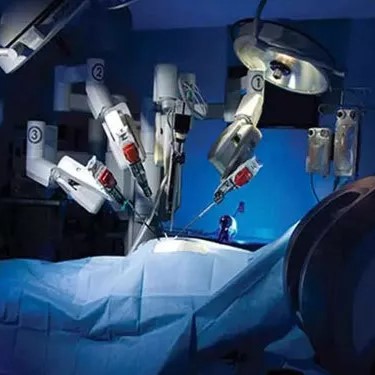
A Robotic Kidney Transplant is an advanced form of kidney transplantation in which a surgeon uses a robotic-assisted surgical system to perform parts of the transplant procedure. The robotic system does not perform the operation independently; instead, the transplant surgeon controls the robotic instruments from a console.
Compared with conventional open kidney transplantation, robotic-assisted surgery uses smaller incisions and may reduce surgical trauma in carefully selected patients. Potential benefits can include less postoperative pain, reduced blood loss, shorter hospital stay, and faster recovery. However, suitability depends on the patient's medical condition, anatomy, previous surgeries, and the transplant center's expertise.
Types of Robotic Kidney Transplant
Robotic kidney transplantation can generally be discussed based on the donor type and the surgical approach.
1. Robotic-Assisted Living Donor Kidney Transplant
In this approach, the kidney is donated by a living donor, such as a family member or another legally approved donor.
The donor kidney is removed using minimally invasive/robotic techniques when appropriate, and the kidney is then transplanted into the recipient.
Potential advantages include:
- Smaller surgical incisions
- Less postoperative pain
- Reduced blood loss
- Faster recovery for selected donors and recipients
2. Robotic-Assisted Deceased Donor Kidney Transplant
A kidney obtained from a deceased donor may also be transplanted using a robotic-assisted approach in selected transplant centers.
The availability of this approach depends on the hospital's transplant program, the patient's condition, and the clinical circumstances surrounding the donated kidney.
3. Robotic-Assisted Kidney Transplant in Obese Patients
Robotic surgery may be particularly useful for carefully selected patients with obesity, where conventional open transplantation can be technically more challenging.
The robotic system can provide enhanced visualization and instrument control within the surgical field. However, the transplant team must assess each patient's individual risks and suitability.
4. Robotic Kidney Transplant After Previous Abdominal Surgery
Patients who have undergone previous abdominal operations may sometimes be considered for robotic transplantation. However, previous surgery can result in scar tissue (adhesions), making the procedure more complex.
A detailed assessment with imaging and surgical history is required before deciding on the appropriate approach.
Robotic vs Conventional Kidney Transplant
| Feature | Robotic-Assisted Transplant | Conventional Open Transplant |
|---|---|---|
| Incision | Smaller incisions | Larger incision |
| Surgical approach | Minimally invasive | Open surgery |
| Visualization | Enhanced 3D visualization | Direct surgical view |
| Pain | May be lower in selected patients | Usually greater initially |
| Blood loss | May be reduced | Generally higher |
| Recovery | May be faster in suitable patients | Usually longer |
| Suitability | Selected patients | Broadly established approach |
Important Note
Robotic kidney transplantation is not automatically better or safer for every patient. The best surgical approach depends on kidney disease, body anatomy, previous surgeries, donor availability, overall health, and the experience of the transplant center.
A kidney transplant surgeon and multidisciplinary transplant team should evaluate the patient before recommending robotic or conventional transplantation.
For International Patients
Patients traveling to India for robotic kidney transplantation can receive assistance with hospital selection, medical opinion, treatment-cost estimates, medical visa support, airport pickup, accommodation, and follow-up coordination through Peace Medical Tourism.
Symptoms That May Indicate the Need for a Kidney Transplant
Patients with advanced or end-stage kidney disease may experience:
- Severe fatigue and weakness
- Swelling in the legs, feet, or face
- Reduced or increased urination
- Shortness of breath
- Nausea or vomiting
- Loss of appetite
- High blood pressure
- Itchy or dry skin
- Difficulty concentrating or confusion
A kidney transplant is generally considered when kidney function is severely reduced and other treatments, such as dialysis, are no longer sufficient.
Risk Factors of Robotic Kidney Transplant
Robotic kidney transplantation is an advanced procedure, but like any major surgery, it has potential risks. These may include:
- Infection or bleeding
- Blood clots
- Urine leakage
- Blood-vessel complications
- Delayed kidney function
- Kidney rejection
- Surgical-site complications
- Risks related to anesthesia
- Possible need for additional surgery
Risk may be higher in patients with obesity, diabetes, heart disease, previous abdominal surgery, or other serious medical conditions.
A detailed evaluation by a kidney transplant specialist is necessary to assess individual risks before surgery.
Preparation for Robotic Kidney Transplant in India
Proper preparation is essential before Robotic Kidney Transplantation in India. The transplant team conducts a detailed evaluation of both the recipient and, when applicable, the living donor to ensure that transplantation is medically and surgically appropriate.
1. Complete Medical Evaluation
The patient may undergo:
- Blood and urine tests
- Blood-group testing
- HLA tissue typing and cross-match
- CT or other imaging studies
- Heart and lung evaluation
- Infection and cancer screening
- Pre-anesthesia assessment
These tests help determine transplant suitability and identify conditions that should be treated before surgery.
2. Donor Evaluation
For a living-donor transplant, the donor undergoes a comprehensive health assessment and compatibility testing. The transplant team confirms that the donor is medically suitable and that the donation complies with applicable Indian transplant regulations.
3. Manage Existing Health Conditions
Conditions such as diabetes, high blood pressure, heart disease, obesity, or active infections may need to be controlled before transplantation. Your transplant team will provide an individualized plan.
4. Medication Review
Tell your doctor about all medicines, supplements, and herbal products you take. The transplant team may adjust certain medicines before surgery, particularly blood-thinning medications. Do not stop any medication without medical advice.
5. Diet and Lifestyle
Before surgery:
- Follow your prescribed kidney-friendly diet.
- Maintain appropriate fluid intake according to your nephrologist's advice.
- Avoid smoking and alcohol.
- Maintain the best possible control of blood pressure and diabetes.
- Follow any recommended exercise or dialysis plan.
6. Prepare for Surgery
Before the operation, your surgeon will explain the robotic procedure, expected benefits, possible risks, and alternatives. You will also receive instructions regarding fasting, medications, admission, and anesthesia. Some hospitals advise fasting for at least 8 hours before surgery.
7. Prepare Your Medical Documents
International patients should bring:
- Passport and medical visa documents
- Recent medical reports
- CT/MRI and other imaging
- Dialysis records
- Current medication list
- Previous surgery reports
- Blood-group and compatibility reports, if available
8. Plan Your Stay in India
International patients should plan accommodation and transportation for the treatment period and follow-up. Peace Medical Tourism can assist with hospital selection, treatment estimates, medical visa support, airport pickup, accommodation, and local coordination.
Important: Robotic kidney transplantation is not suitable for every patient. The final decision depends on the recipient's health, anatomy, donor type, previous abdominal surgery, and the transplant center's expertise.
Procedure of Robotic Kidney Transplant in India
Robotic Kidney Transplantation is a minimally invasive form of kidney transplantation performed by an experienced transplant surgeon using a robotic-assisted surgical system. The robot is controlled entirely by the surgeon and does not perform the surgery independently.
1. Pre-Surgical Preparation
The patient undergoes final blood tests, imaging, compatibility testing, anesthesia evaluation, and other necessary checks before surgery.
2. Anesthesia
The recipient is given general anesthesia so they remain asleep and pain-free throughout the procedure.
3. Small Incisions
The surgeon makes several small incisions in the abdomen through which robotic surgical instruments and a camera are inserted.
4. Positioning the Donor Kidney
The donated kidney is prepared and introduced into the recipient's abdomen through a small incision.
5. Connecting the Kidney
Using the robotic system, the surgeon carefully connects:
- The renal artery to an appropriate artery
- The renal vein to an appropriate vein
- The ureter to the urinary bladder
This allows blood to flow through the transplanted kidney and urine to pass into the bladder.
6. Checking Kidney Function
The surgical team checks blood flow to the transplanted kidney and ensures that the connections are functioning properly.
7. Closing the Incisions
The instruments are removed and the small abdominal incisions are closed. The patient is then transferred to the recovery area for monitoring.
8. Post-Operative Monitoring
After surgery, the medical team closely monitors:
- Kidney function
- Urine output
- Blood pressure
- Blood tests
- Fluid balance
- Signs of infection or rejection
The patient will begin immunosuppressive medicines to reduce the risk of kidney rejection.
How Long Does Robotic Kidney Transplant Surgery Take?
The duration can vary depending on the patient's condition and surgical complexity. The transplant procedure may take several hours, with additional time required for anesthesia and preparation.
Recovery After Robotic Kidney Transplant
Robotic surgery may allow smaller incisions and potentially faster recovery in appropriately selected patients compared with conventional open transplantation. However, recovery varies considerably between patients.
Important: Robotic kidney transplantation is not suitable for every patient. The transplant surgeon determines whether robotic or conventional transplantation is the safest option after evaluating the recipient, donor, anatomy, and medical history.
Post-Procedure Care After Robotic Kidney Transplant in India
Post-operative care is essential to protect the transplanted kidney and support recovery. After Robotic Kidney Transplantation, the medical team closely monitors kidney function and watches for complications.
1. Hospital Monitoring
Patients are monitored for:
- Kidney function and urine output
- Blood pressure and fluid balance
- Blood and urine tests
- Signs of infection or bleeding
- Early signs of kidney rejection
2. Immunosuppressive Medicines
Patients need anti-rejection medicines after transplantation. These medications help prevent the immune system from attacking the new kidney and must be taken exactly as prescribed.
3. Wound Care
Because robotic surgery uses small abdominal incisions:
- Keep the wounds clean and dry.
- Follow the hospital's dressing instructions.
- Avoid strenuous activity until approved by your doctor.
- Report redness, swelling, discharge, or increasing pain.
4. Diet and Hydration
The transplant team will provide an individualized diet plan. Patients should:
- Eat nutritious, protein-rich foods as advised.
- Maintain appropriate fluid intake.
- Avoid unsafe or undercooked foods.
- Follow dietary restrictions recommended by the transplant team.
5. Physical Activity
Light walking is generally encouraged once the medical team approves it. Heavy lifting and strenuous exercise should be avoided initially. Activity can be gradually increased during recovery.
6. Regular Follow-Up
Frequent follow-up appointments are important during the first weeks and months. Doctors monitor:
- Creatinine and other kidney-function tests
- Blood pressure
- Medication levels
- Kidney rejection
- Infection
- Overall recovery
7. Watch for Warning Signs
Contact your transplant team promptly if you develop:
- Fever or chills
- Significant reduction in urine
- Swelling
- Severe abdominal or wound pain
- Vomiting or persistent diarrhea
- Difficulty breathing
- Redness or discharge from the surgical wound
8. Long-Term Care
A transplanted kidney requires lifelong medical follow-up and anti-rejection medication. Patients should take medicines regularly, attend scheduled appointments, maintain a healthy lifestyle, and avoid self-medication.
For International Patients
Patients traveling to India for robotic kidney transplantation should plan sufficient time for hospital treatment, initial recovery, follow-up consultations, and medication adjustment before returning home. Peace Medical Tourism can assist with hospital coordination, accommodation, airport transfers, medical visa support, and follow-up arrangements.
Success Rate of Robotic Kidney Transplant in India
Robotic Kidney Transplantation is a relatively advanced form of kidney transplantation, and available studies indicate that it can provide graft and patient outcomes comparable to conventional open kidney transplantation in appropriately selected patients. A meta-analysis of 16 studies found no significant difference in short-term graft function or overall survival between robotic and open transplantation.
Expected Success Rates
For kidney transplantation in India overall, reported outcomes are approximately:
- 1-year patient survival: around 95%
- 1-year graft survival: around 90–95%
- 5-year patient survival: around 85–90%
- 5-year graft survival: around 75–80%
In one Indian study comparing robotic and open transplantation, 36-month graft survival was 95.2% with robotic transplantation, compared with 96.3% for open transplantation, with no significant difference.
Factors Affecting Success
The outcome of robotic kidney transplantation depends on:
- Recipient's age and overall health
- Donor kidney quality
- Donor-recipient compatibility
- Presence of diabetes, heart disease, or obesity
- Surgical expertise
- Prevention and management of kidney rejection
- Proper use of immunosuppressive medicines
- Regular post-transplant follow-up
Important: There is no single guaranteed "success rate" for an individual patient. Robotic surgery primarily changes the surgical approach; long-term kidney survival depends on many factors beyond whether the transplant is performed robotically. A transplant specialist should assess the patient's medical reports before providing an individualized prognosis.
Frequently Asked Questions (FAQs) About Robotic Kidney Transplant in India
1. What is Robotic Kidney Transplantation?
Robotic Kidney Transplantation is an advanced minimally invasive technique in which a transplant surgeon uses a robotic-assisted surgical system to implant a donated kidney. The surgeon controls the robotic instruments throughout the procedure.
2. What is the cost of Robotic Kidney Transplant in India?
The approximate cost is USD 15,000–19,000. The final cost depends on the hospital, surgeon, robotic system, patient's condition, donor evaluation, medicines, and length of hospital stay.
3. Is Robotic Kidney Transplant better than conventional kidney transplant?
Robotic transplantation may offer advantages such as smaller incisions, less postoperative pain, and potentially faster recovery in appropriately selected patients. However, it is not necessarily better for every patient. The transplant team determines the most suitable approach.
4. Who is eligible for Robotic Kidney Transplant?
Patients with end-stage kidney disease who are medically suitable for kidney transplantation may be considered for robotic transplantation. Suitability depends on overall health, anatomy, previous abdominal surgeries, and the transplant center's expertise.
5. What are the types of Robotic Kidney Transplant?
Robotic-assisted transplantation may be performed using:
- Living-donor kidney transplantation
- Deceased-donor kidney transplantation in selected cases
- Robotic transplantation in carefully selected patients with obesity or complex surgical anatomy
6. What is the success rate of Robotic Kidney Transplant?
Robotic kidney transplantation can achieve outcomes comparable to conventional transplantation in appropriately selected patients. Long-term graft survival depends on donor quality, recipient health, compatibility, rejection prevention, and post-transplant care.
7. How long does Robotic Kidney Transplant surgery take?
The operation generally takes several hours, although the exact duration varies according to the patient's condition, surgical complexity, and hospital protocol.
8. How long will I stay in the hospital after surgery?
Hospitalization commonly lasts around 7–15 days, but the duration can vary depending on kidney function, recovery, and complications.
9. Is the robotic kidney transplant procedure painful?
Robotic surgery uses smaller incisions than traditional open surgery and may result in less postoperative pain for selected patients. Pain-relieving medicines are provided during recovery.
10. How long does it take to recover after a Robotic Kidney Transplant?
Initial recovery may take several weeks. Patients generally require regular follow-up and medication adjustment during the first few months. Full recovery varies from person to person.
11. Will I need medicines after the transplant?
Yes. Immunosuppressive or anti-rejection medicines are required long term to help prevent the immune system from attacking the transplanted kidney.
12. What are the risks of Robotic Kidney Transplant?
Potential complications include:
- Infection
- Bleeding
- Blood clots
- Urine leakage
- Blood-vessel complications
- Delayed kidney function
- Kidney rejection
- Anesthesia-related complications
- Need for additional surgery
13. Can a diabetic patient undergo Robotic Kidney Transplant?
Diabetes does not automatically exclude a patient from transplantation. However, diabetes must be carefully assessed and controlled, and the transplant team will evaluate the patient's overall health before surgery.
14. Can an international patient undergo Robotic Kidney Transplant in India?
Yes, eligible international patients can seek kidney transplantation in India, subject to medical suitability and applicable Indian organ-transplant laws and approvals. Hospitals generally have dedicated international patient departments.
15. How long should an international patient stay in India?
The required stay varies according to the patient's condition, surgery, recovery, and follow-up requirements. Your transplant hospital should provide a personalized timeline before travel.
16. What documents are required for kidney transplant treatment in India?
International patients should generally bring:
- Passport and medical visa documents
- Medical reports
- Kidney function tests
- Dialysis records
- Imaging reports
- Medication list
- Previous treatment and surgery records
- Donor-related medical documents, when applicable
17. Why choose India for Robotic Kidney Transplant?
India offers experienced transplant surgeons, advanced robotic technology, modern transplant centers, comprehensive postoperative care, and comparatively affordable treatment costs.
18. Can Peace Medical Tourism help with Robotic Kidney Transplant in India?
Yes. Peace Medical Tourism can assist international patients with hospital and doctor selection, medical opinion, treatment-cost estimation, visa invitation support, airport pickup, accommodation, local coordination, and follow-up arrangements.
📲 WhatsApp / Viber: +91 9582708782
📧 Email: treatmentquery@gmail.com
Note: Kidney transplantation is a major medical procedure. Final eligibility, treatment approach, cost, and expected outcome can only be determined after evaluation by a qualified transplant team.
Robotic Kidney Transplant in India is an advanced, minimally invasive approach to kidney transplant surgery performed by experienced transplant surgeons using robotic-assisted technology. The robotic kidney transplant cost in India is comparatively affordable, making India a popular destination for international patients seeking high-quality kidney transplant treatment. Leading robotic kidney transplant hospitals in India offer modern technology, experienced kidney transplant doctors, comprehensive donor evaluation, and advanced post-transplant care. Depending on the patient's condition, transplantation may involve a living donor kidney transplant or, where legally and medically appropriate, a deceased donor kidney transplant. Robotic-assisted transplantation may offer smaller incisions, reduced postoperative discomfort, and potentially faster recovery in carefully selected patients. Peace Medical Tourism helps international patients access best kidney transplant hospitals and surgeons in India, obtain personalized cost estimates, arrange medical visa support, airport pickup, accommodation, and treatment coordination.
Top Doctors
Sorry, There is nothing to show!Come back soon.
Top Hospitals





















ROBOTIC KIDNEY TRANSPLANT COST IN INDIA
Duration of Treatment
5 TO 6 HOURS
Days of Stay
2 TO 3 MONTHS
Anesthesia
GENERAL ANESTHESIA
Cost
USD 15,000–19,000
Robotic Kidney Transplant Cost in India
Are you looking for the best Robotic Kidney Transplant in India at an affordable cost? India has advanced kidney transplant centers equipped with modern robotic surgical technology and experienced kidney transplant surgeons. Robotic-assisted kidney transplantation is a minimally invasive technique that can offer benefits such as smaller incisions, reduced blood loss, less postoperative pain, and potentially faster recovery in appropriately selected patients. We help choose the top 5 best kidney transplant hospitals in India,
📲 WhatsApp / Viber: +91 9582708782
📧 Email: treatmentquery@gmail.com
How Much Does Robotic Kidney Transplant Cost in India?
The approximate Robotic Kidney Transplant cost in India ranges from USD 15,000 to USD 19,000. The final cost may vary depending on the hospital, surgeon's expertise, robotic technology used, patient's medical condition, donor evaluation, medications, and duration of hospitalization.
Estimated Cost
- Kidney Transplant Surgery: USD 13,000–18,000
- Robotic Kidney Transplant: USD 15,000–19,000
- Hospital Stay: Usually 7–15 days
- Post-operative stay in India: Approximately 2–4 weeks, depending on medical advice
- Long-term immunosuppressive medicines: Additional and required after transplantation
- Hotel accommodation: Approximately USD 18–50 per day, depending on the hotel and facilities
- Food: Approximately USD 20–30 per day
- Miscellaneous expenses: Approximately USD 20 per day
These are estimated figures. A personalized quotation should be obtained after reviewing the patient's medical reports and transplant requirements.
Why Choose Robotic Kidney Transplant in India?
Robotic kidney transplantation uses advanced robotic technology to assist the transplant surgeon during the procedure. The technology can provide enhanced visualization, precision, and instrument control. Apollo Hospitals describes robot-assisted kidney transplantation as a minimally invasive technique, with potential benefits including reduced blood loss, pain, hospital stay, postoperative complications, and recovery time in appropriate patients.
India also has experienced high-volume kidney transplant centers. For example, Medanta reports more than 3,000 cumulative kidney transplants and more than 250 kidney transplants annually, along with experience in robotic renal transplantation.
What Does the Robotic Kidney Transplant Package Include?
Depending on the hospital, the treatment package may include:
- Pre-transplant evaluation
- Blood and diagnostic investigations
- Donor evaluation
- HLA and compatibility testing
- Kidney transplant surgery
- Robotic surgical charges
- Operation theatre charges
- Anesthesia
- Hospital room
- ICU care when required
- Post-operative monitoring
- Medicines during hospitalization
- Follow-up consultation
Additional expenses may apply for complications, extended hospitalization, special investigations, blood products, additional procedures, or medicines after discharge.
Best Hospitals for Robotic Kidney Transplant in India
Some leading Indian hospitals have advanced kidney transplant and robotic surgery programs, including:
- Medanta – The Medicity, Gurugram
- Max Super Speciality Hospital, Delhi
- Apollo Hospitals
- Fortis Hospitals
- Manipal Hospitals
- Artemis Hospital, Gurugram
Fortis Healthcare has also reported the launch of its TREAT (Total Robot Enabled and Assisted Transplant) program at Fortis Hospital Bannerghatta Road, Bengaluru, including robotic-assisted kidney transplantation.
Who Can Undergo Robotic Kidney Transplant?
Robotic transplantation may be considered for selected kidney transplant recipients. The transplant team evaluates:
- End-stage kidney disease
- Overall health
- Previous abdominal surgeries
- Body weight and anatomy
- Cardiovascular condition
- Donor-recipient compatibility
- Suitability for robotic surgery
The final decision should always be made by an experienced kidney transplant team after a detailed medical evaluation.
Why Choose Peace Medical Tourism?
Peace Medical Tourism assists international patients seeking kidney transplantation in India with:
- Free medical opinion
- Hospital selection
- Experienced kidney transplant surgeon selection
- Personalized treatment-cost estimates
- Medical visa invitation letter assistance
- Airport pickup and drop-off
- Hotel accommodation assistance
- Interpreter support
- Local transportation assistance
- Treatment coordination
- Post-treatment follow-up support
Contact Peace Medical Tourism
📲 WhatsApp / Viber: +91 9582708782
📧 Email: treatmentquery@gmail.com
Are you looking for the best Robotic Kidney Transplant in India? Send us your medical reports and receive a personalized treatment plan and estimated cost from a suitable Indian transplant center.
What Is Robotic Kidney Transplant?
A Robotic Kidney Transplant is an advanced form of kidney transplantation in which a surgeon uses a robotic-assisted surgical system to perform parts of the transplant procedure. The robotic system does not perform the operation independently; instead, the transplant surgeon controls the robotic instruments from a console.
Compared with conventional open kidney transplantation, robotic-assisted surgery uses smaller incisions and may reduce surgical trauma in carefully selected patients. Potential benefits can include less postoperative pain, reduced blood loss, shorter hospital stay, and faster recovery. However, suitability depends on the patient's medical condition, anatomy, previous surgeries, and the transplant center's expertise.
Types of Robotic Kidney Transplant
Robotic kidney transplantation can generally be discussed based on the donor type and the surgical approach.
1. Robotic-Assisted Living Donor Kidney Transplant
In this approach, the kidney is donated by a living donor, such as a family member or another legally approved donor.
The donor kidney is removed using minimally invasive/robotic techniques when appropriate, and the kidney is then transplanted into the recipient.
Potential advantages include:
- Smaller surgical incisions
- Less postoperative pain
- Reduced blood loss
- Faster recovery for selected donors and recipients
2. Robotic-Assisted Deceased Donor Kidney Transplant
A kidney obtained from a deceased donor may also be transplanted using a robotic-assisted approach in selected transplant centers.
The availability of this approach depends on the hospital's transplant program, the patient's condition, and the clinical circumstances surrounding the donated kidney.
3. Robotic-Assisted Kidney Transplant in Obese Patients
Robotic surgery may be particularly useful for carefully selected patients with obesity, where conventional open transplantation can be technically more challenging.
The robotic system can provide enhanced visualization and instrument control within the surgical field. However, the transplant team must assess each patient's individual risks and suitability.
4. Robotic Kidney Transplant After Previous Abdominal Surgery
Patients who have undergone previous abdominal operations may sometimes be considered for robotic transplantation. However, previous surgery can result in scar tissue (adhesions), making the procedure more complex.
A detailed assessment with imaging and surgical history is required before deciding on the appropriate approach.
Robotic vs Conventional Kidney Transplant
| Feature | Robotic-Assisted Transplant | Conventional Open Transplant |
|---|---|---|
| Incision | Smaller incisions | Larger incision |
| Surgical approach | Minimally invasive | Open surgery |
| Visualization | Enhanced 3D visualization | Direct surgical view |
| Pain | May be lower in selected patients | Usually greater initially |
| Blood loss | May be reduced | Generally higher |
| Recovery | May be faster in suitable patients | Usually longer |
| Suitability | Selected patients | Broadly established approach |
Important Note
Robotic kidney transplantation is not automatically better or safer for every patient. The best surgical approach depends on kidney disease, body anatomy, previous surgeries, donor availability, overall health, and the experience of the transplant center.
A kidney transplant surgeon and multidisciplinary transplant team should evaluate the patient before recommending robotic or conventional transplantation.
For International Patients
Patients traveling to India for robotic kidney transplantation can receive assistance with hospital selection, medical opinion, treatment-cost estimates, medical visa support, airport pickup, accommodation, and follow-up coordination through Peace Medical Tourism.
symptoms
Symptoms That May Indicate the Need for a Kidney Transplant
Patients with advanced or end-stage kidney disease may experience:
- Severe fatigue and weakness
- Swelling in the legs, feet, or face
- Reduced or increased urination
- Shortness of breath
- Nausea or vomiting
- Loss of appetite
- High blood pressure
- Itchy or dry skin
- Difficulty concentrating or confusion
A kidney transplant is generally considered when kidney function is severely reduced and other treatments, such as dialysis, are no longer sufficient.
risk factors
Risk Factors of Robotic Kidney Transplant
Robotic kidney transplantation is an advanced procedure, but like any major surgery, it has potential risks. These may include:
- Infection or bleeding
- Blood clots
- Urine leakage
- Blood-vessel complications
- Delayed kidney function
- Kidney rejection
- Surgical-site complications
- Risks related to anesthesia
- Possible need for additional surgery
Risk may be higher in patients with obesity, diabetes, heart disease, previous abdominal surgery, or other serious medical conditions.
A detailed evaluation by a kidney transplant specialist is necessary to assess individual risks before surgery.
preparation
Preparation for Robotic Kidney Transplant in India
Proper preparation is essential before Robotic Kidney Transplantation in India. The transplant team conducts a detailed evaluation of both the recipient and, when applicable, the living donor to ensure that transplantation is medically and surgically appropriate.
1. Complete Medical Evaluation
The patient may undergo:
- Blood and urine tests
- Blood-group testing
- HLA tissue typing and cross-match
- CT or other imaging studies
- Heart and lung evaluation
- Infection and cancer screening
- Pre-anesthesia assessment
These tests help determine transplant suitability and identify conditions that should be treated before surgery.
2. Donor Evaluation
For a living-donor transplant, the donor undergoes a comprehensive health assessment and compatibility testing. The transplant team confirms that the donor is medically suitable and that the donation complies with applicable Indian transplant regulations.
3. Manage Existing Health Conditions
Conditions such as diabetes, high blood pressure, heart disease, obesity, or active infections may need to be controlled before transplantation. Your transplant team will provide an individualized plan.
4. Medication Review
Tell your doctor about all medicines, supplements, and herbal products you take. The transplant team may adjust certain medicines before surgery, particularly blood-thinning medications. Do not stop any medication without medical advice.
5. Diet and Lifestyle
Before surgery:
- Follow your prescribed kidney-friendly diet.
- Maintain appropriate fluid intake according to your nephrologist's advice.
- Avoid smoking and alcohol.
- Maintain the best possible control of blood pressure and diabetes.
- Follow any recommended exercise or dialysis plan.
6. Prepare for Surgery
Before the operation, your surgeon will explain the robotic procedure, expected benefits, possible risks, and alternatives. You will also receive instructions regarding fasting, medications, admission, and anesthesia. Some hospitals advise fasting for at least 8 hours before surgery.
7. Prepare Your Medical Documents
International patients should bring:
- Passport and medical visa documents
- Recent medical reports
- CT/MRI and other imaging
- Dialysis records
- Current medication list
- Previous surgery reports
- Blood-group and compatibility reports, if available
8. Plan Your Stay in India
International patients should plan accommodation and transportation for the treatment period and follow-up. Peace Medical Tourism can assist with hospital selection, treatment estimates, medical visa support, airport pickup, accommodation, and local coordination.
Important: Robotic kidney transplantation is not suitable for every patient. The final decision depends on the recipient's health, anatomy, donor type, previous abdominal surgery, and the transplant center's expertise.
procedure
Procedure of Robotic Kidney Transplant in India
Robotic Kidney Transplantation is a minimally invasive form of kidney transplantation performed by an experienced transplant surgeon using a robotic-assisted surgical system. The robot is controlled entirely by the surgeon and does not perform the surgery independently.
1. Pre-Surgical Preparation
The patient undergoes final blood tests, imaging, compatibility testing, anesthesia evaluation, and other necessary checks before surgery.
2. Anesthesia
The recipient is given general anesthesia so they remain asleep and pain-free throughout the procedure.
3. Small Incisions
The surgeon makes several small incisions in the abdomen through which robotic surgical instruments and a camera are inserted.
4. Positioning the Donor Kidney
The donated kidney is prepared and introduced into the recipient's abdomen through a small incision.
5. Connecting the Kidney
Using the robotic system, the surgeon carefully connects:
- The renal artery to an appropriate artery
- The renal vein to an appropriate vein
- The ureter to the urinary bladder
This allows blood to flow through the transplanted kidney and urine to pass into the bladder.
6. Checking Kidney Function
The surgical team checks blood flow to the transplanted kidney and ensures that the connections are functioning properly.
7. Closing the Incisions
The instruments are removed and the small abdominal incisions are closed. The patient is then transferred to the recovery area for monitoring.
8. Post-Operative Monitoring
After surgery, the medical team closely monitors:
- Kidney function
- Urine output
- Blood pressure
- Blood tests
- Fluid balance
- Signs of infection or rejection
The patient will begin immunosuppressive medicines to reduce the risk of kidney rejection.
How Long Does Robotic Kidney Transplant Surgery Take?
The duration can vary depending on the patient's condition and surgical complexity. The transplant procedure may take several hours, with additional time required for anesthesia and preparation.
Recovery After Robotic Kidney Transplant
Robotic surgery may allow smaller incisions and potentially faster recovery in appropriately selected patients compared with conventional open transplantation. However, recovery varies considerably between patients.
Important: Robotic kidney transplantation is not suitable for every patient. The transplant surgeon determines whether robotic or conventional transplantation is the safest option after evaluating the recipient, donor, anatomy, and medical history.
post procedure
Post-Procedure Care After Robotic Kidney Transplant in India
Post-operative care is essential to protect the transplanted kidney and support recovery. After Robotic Kidney Transplantation, the medical team closely monitors kidney function and watches for complications.
1. Hospital Monitoring
Patients are monitored for:
- Kidney function and urine output
- Blood pressure and fluid balance
- Blood and urine tests
- Signs of infection or bleeding
- Early signs of kidney rejection
2. Immunosuppressive Medicines
Patients need anti-rejection medicines after transplantation. These medications help prevent the immune system from attacking the new kidney and must be taken exactly as prescribed.
3. Wound Care
Because robotic surgery uses small abdominal incisions:
- Keep the wounds clean and dry.
- Follow the hospital's dressing instructions.
- Avoid strenuous activity until approved by your doctor.
- Report redness, swelling, discharge, or increasing pain.
4. Diet and Hydration
The transplant team will provide an individualized diet plan. Patients should:
- Eat nutritious, protein-rich foods as advised.
- Maintain appropriate fluid intake.
- Avoid unsafe or undercooked foods.
- Follow dietary restrictions recommended by the transplant team.
5. Physical Activity
Light walking is generally encouraged once the medical team approves it. Heavy lifting and strenuous exercise should be avoided initially. Activity can be gradually increased during recovery.
6. Regular Follow-Up
Frequent follow-up appointments are important during the first weeks and months. Doctors monitor:
- Creatinine and other kidney-function tests
- Blood pressure
- Medication levels
- Kidney rejection
- Infection
- Overall recovery
7. Watch for Warning Signs
Contact your transplant team promptly if you develop:
- Fever or chills
- Significant reduction in urine
- Swelling
- Severe abdominal or wound pain
- Vomiting or persistent diarrhea
- Difficulty breathing
- Redness or discharge from the surgical wound
8. Long-Term Care
A transplanted kidney requires lifelong medical follow-up and anti-rejection medication. Patients should take medicines regularly, attend scheduled appointments, maintain a healthy lifestyle, and avoid self-medication.
For International Patients
Patients traveling to India for robotic kidney transplantation should plan sufficient time for hospital treatment, initial recovery, follow-up consultations, and medication adjustment before returning home. Peace Medical Tourism can assist with hospital coordination, accommodation, airport transfers, medical visa support, and follow-up arrangements.
success rate
Success Rate of Robotic Kidney Transplant in India
Robotic Kidney Transplantation is a relatively advanced form of kidney transplantation, and available studies indicate that it can provide graft and patient outcomes comparable to conventional open kidney transplantation in appropriately selected patients. A meta-analysis of 16 studies found no significant difference in short-term graft function or overall survival between robotic and open transplantation.
Expected Success Rates
For kidney transplantation in India overall, reported outcomes are approximately:
- 1-year patient survival: around 95%
- 1-year graft survival: around 90–95%
- 5-year patient survival: around 85–90%
- 5-year graft survival: around 75–80%
In one Indian study comparing robotic and open transplantation, 36-month graft survival was 95.2% with robotic transplantation, compared with 96.3% for open transplantation, with no significant difference.
Factors Affecting Success
The outcome of robotic kidney transplantation depends on:
- Recipient's age and overall health
- Donor kidney quality
- Donor-recipient compatibility
- Presence of diabetes, heart disease, or obesity
- Surgical expertise
- Prevention and management of kidney rejection
- Proper use of immunosuppressive medicines
- Regular post-transplant follow-up
Important: There is no single guaranteed "success rate" for an individual patient. Robotic surgery primarily changes the surgical approach; long-term kidney survival depends on many factors beyond whether the transplant is performed robotically. A transplant specialist should assess the patient's medical reports before providing an individualized prognosis.
faqs from doctor
Frequently Asked Questions (FAQs) About Robotic Kidney Transplant in India
1. What is Robotic Kidney Transplantation?
Robotic Kidney Transplantation is an advanced minimally invasive technique in which a transplant surgeon uses a robotic-assisted surgical system to implant a donated kidney. The surgeon controls the robotic instruments throughout the procedure.
2. What is the cost of Robotic Kidney Transplant in India?
The approximate cost is USD 15,000–19,000. The final cost depends on the hospital, surgeon, robotic system, patient's condition, donor evaluation, medicines, and length of hospital stay.
3. Is Robotic Kidney Transplant better than conventional kidney transplant?
Robotic transplantation may offer advantages such as smaller incisions, less postoperative pain, and potentially faster recovery in appropriately selected patients. However, it is not necessarily better for every patient. The transplant team determines the most suitable approach.
4. Who is eligible for Robotic Kidney Transplant?
Patients with end-stage kidney disease who are medically suitable for kidney transplantation may be considered for robotic transplantation. Suitability depends on overall health, anatomy, previous abdominal surgeries, and the transplant center's expertise.
5. What are the types of Robotic Kidney Transplant?
Robotic-assisted transplantation may be performed using:
- Living-donor kidney transplantation
- Deceased-donor kidney transplantation in selected cases
- Robotic transplantation in carefully selected patients with obesity or complex surgical anatomy
6. What is the success rate of Robotic Kidney Transplant?
Robotic kidney transplantation can achieve outcomes comparable to conventional transplantation in appropriately selected patients. Long-term graft survival depends on donor quality, recipient health, compatibility, rejection prevention, and post-transplant care.
7. How long does Robotic Kidney Transplant surgery take?
The operation generally takes several hours, although the exact duration varies according to the patient's condition, surgical complexity, and hospital protocol.
8. How long will I stay in the hospital after surgery?
Hospitalization commonly lasts around 7–15 days, but the duration can vary depending on kidney function, recovery, and complications.
9. Is the robotic kidney transplant procedure painful?
Robotic surgery uses smaller incisions than traditional open surgery and may result in less postoperative pain for selected patients. Pain-relieving medicines are provided during recovery.
10. How long does it take to recover after a Robotic Kidney Transplant?
Initial recovery may take several weeks. Patients generally require regular follow-up and medication adjustment during the first few months. Full recovery varies from person to person.
11. Will I need medicines after the transplant?
Yes. Immunosuppressive or anti-rejection medicines are required long term to help prevent the immune system from attacking the transplanted kidney.
12. What are the risks of Robotic Kidney Transplant?
Potential complications include:
- Infection
- Bleeding
- Blood clots
- Urine leakage
- Blood-vessel complications
- Delayed kidney function
- Kidney rejection
- Anesthesia-related complications
- Need for additional surgery
13. Can a diabetic patient undergo Robotic Kidney Transplant?
Diabetes does not automatically exclude a patient from transplantation. However, diabetes must be carefully assessed and controlled, and the transplant team will evaluate the patient's overall health before surgery.
14. Can an international patient undergo Robotic Kidney Transplant in India?
Yes, eligible international patients can seek kidney transplantation in India, subject to medical suitability and applicable Indian organ-transplant laws and approvals. Hospitals generally have dedicated international patient departments.
15. How long should an international patient stay in India?
The required stay varies according to the patient's condition, surgery, recovery, and follow-up requirements. Your transplant hospital should provide a personalized timeline before travel.
16. What documents are required for kidney transplant treatment in India?
International patients should generally bring:
- Passport and medical visa documents
- Medical reports
- Kidney function tests
- Dialysis records
- Imaging reports
- Medication list
- Previous treatment and surgery records
- Donor-related medical documents, when applicable
17. Why choose India for Robotic Kidney Transplant?
India offers experienced transplant surgeons, advanced robotic technology, modern transplant centers, comprehensive postoperative care, and comparatively affordable treatment costs.
18. Can Peace Medical Tourism help with Robotic Kidney Transplant in India?
Yes. Peace Medical Tourism can assist international patients with hospital and doctor selection, medical opinion, treatment-cost estimation, visa invitation support, airport pickup, accommodation, local coordination, and follow-up arrangements.
📲 WhatsApp / Viber: +91 9582708782
📧 Email: treatmentquery@gmail.com
Note: Kidney transplantation is a major medical procedure. Final eligibility, treatment approach, cost, and expected outcome can only be determined after evaluation by a qualified transplant team.
Robotic Kidney Transplant in India is an advanced, minimally invasive approach to kidney transplant surgery performed by experienced transplant surgeons using robotic-assisted technology. The robotic kidney transplant cost in India is comparatively affordable, making India a popular destination for international patients seeking high-quality kidney transplant treatment. Leading robotic kidney transplant hospitals in India offer modern technology, experienced kidney transplant doctors, comprehensive donor evaluation, and advanced post-transplant care. Depending on the patient's condition, transplantation may involve a living donor kidney transplant or, where legally and medically appropriate, a deceased donor kidney transplant. Robotic-assisted transplantation may offer smaller incisions, reduced postoperative discomfort, and potentially faster recovery in carefully selected patients. Peace Medical Tourism helps international patients access best kidney transplant hospitals and surgeons in India, obtain personalized cost estimates, arrange medical visa support, airport pickup, accommodation, and treatment coordination.
Top Doctors
Sorry, There is nothing to show!Come back soon.