Duration of Treatment
3-5 HOURS
Days of Stay
IN HOSPITAL - 5 TO 7 DAYS
Anesthesia
General Anesthesia
Cost
80000 TO 90000 USD
FITBONE surgery cost in India
Looking for FITBONE surgery cost in India? Get complete details about limb lengthening surgery, treatment packages, recovery, and expert orthopedic care. Still, have questions? SUBMIT ENQUIRY
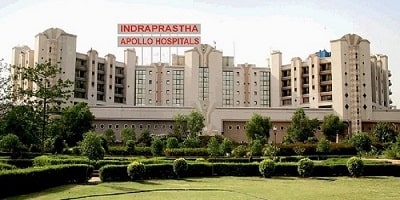
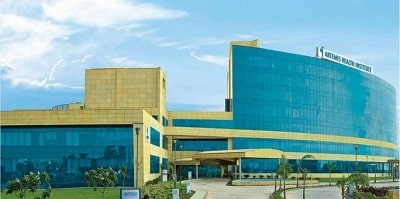
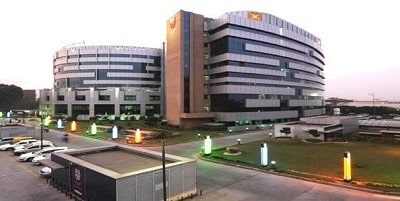
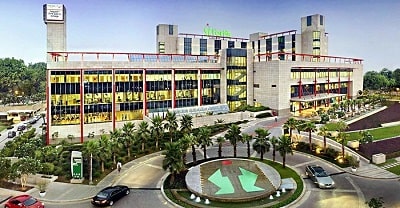
We have also shortlisted the top orthopedic hospitals and limb-lengthening surgeons in India based on hospital accreditations, surgeon experience & qualifications, success rates, advanced technology, and patient testimonials.
FITBONE Limb Lengthening Surgery Cost in India
- Single Segment FITBONE Surgery Cost in India: Starting from 40,000 to 55,000 USD
- Both Legs / Double Segment Surgery Cost in India: Starting from 80,000 to 95,000 USD
Pre-Surgery Evaluation Cost: Starting from 500 to 1,500 USD
Physiotherapy & Rehabilitation Cost: Starting from 1,000 to 2000 USD, depending on recovery duration
Hotel Cost Near Hospital: Starting from 20 to 80 USD per day, depending on hotel category and city
Food Cost: Starting from 20 to 35 USD per day
Miscellaneous Expenses: Starting from 20 to 50 USD per day
Important Note
The above prices are only rough estimates. Final treatment cost may vary depending on:
- Patient condition
- Amount of height increase required
- Surgeon experience
- Implant quality
- Hospital facilities
- Rehabilitation duration
- City and room category
To make an appointment, learn more about FITBONE limb lengthening surgery in India, or speak with our medical experts, call / WhatsApp / Viber at +91 9582708782.
What is Fit Bone Surgery?
Fit Bone Surgery is a modern type of limb lengthening surgery used to make a person’s legs longer or to correct uneven leg length and bone deformities.
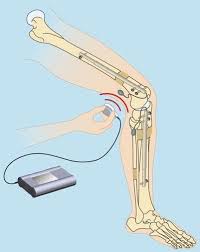
In this procedure, doctors place a small electronic rod (nail) inside the bone. The device slowly increases the length of the bone over time in a controlled and painless way.
The surgery is commonly used for:
- Increasing height
- Correcting short legs
- Treating bow legs or bone deformities
- Fixing differences in leg length after injury or disease
How Does It Work?
- The surgeon cuts the bone carefully.
- A special FITBONE device is inserted inside the bone.
- After surgery, the device slowly stretches the bone by about 1 mm per day.
- New bone grows naturally in the gap.
- Once the desired length is achieved, the bone becomes strong and heals completely.
Advantages of FITBONE Surgery
- No large external metal frame
- More comfortable than traditional methods
- Better cosmetic appearance
- Accurate and controlled lengthening
- Faster recovery and easier movement
The Fitbone surgery is commonly used for:
- Increasing height
- Correcting short legs
- Treating bow legs or bone deformities
- Fixing differences in leg length after injury or disease
Risks of FITBONE Surgery
Like any surgery, FITBONE surgery may have some risks and complications, such as:
- Infection around the surgical area
- Pain, swelling, or stiffness during recovery
- Slow bone healing or delayed bone growth
- Tightness in muscles or nerves while the bone is being lengthened
- Difficulty in walking for some time
- Joint stiffness if physiotherapy is not followed properly
- Rare chances of device problems or mechanical failure
- Need for additional surgery in some cases
Most complications can be managed successfully with proper medical care, regular follow-up, and physiotherapy. Choosing an experienced orthopedic surgeon also helps reduce risks.
Preparation for FITBONE Surgery
Before undergoing FITBONE surgery, proper preparation is essential for a safe procedure and a good recovery.
Medical Check-Up
The doctor will perform:
- Physical examination
- X-rays and bone measurements
- Blood tests
- Heart and general health check-up
Discuss Your Goals
Talk with the surgeon about:
- Desired height increase
- Expected results
- Risks and recovery time
- Total treatment plan
Maintain Good Health
Before surgery:
- Eat a healthy diet
- Stop smoking and alcohol
- Keep your weight under control
- Stay physically active
Physiotherapy Preparation
Doctors may recommend simple exercises before surgery to improve:
- Muscle flexibility
- Joint movement
- Leg strength
Mental Preparation
FITBONE surgery requires:
- Patience during recovery
- Regular physiotherapy
- Follow-up visits with the doctor
Medicines and Instructions
Before surgery:
- Inform the doctor about any medicines you take
- Stop certain medicines if advised
- Follow fasting instructions before the operation
Hospital Planning
Patients should prepare for:
- A hospital stay of several days
- Use of crutches or walker after surgery
- Recovery and rehabilitation period
Good preparation helps improve healing, recovery, and overall results after FITBONE surgery.
Procedure of FITBONE Surgery in India
FITBONE surgery is a modern limb lengthening procedure used to increase height or correct leg length differences. The surgery is performed in several stages under the supervision of orthopedic specialists.
Step 1: Medical Evaluation
Before surgery, the doctor performs:
- Physical examination
- X-rays and scans
- Blood tests
- Bone measurements
- Fitness assessment
The surgeon discusses:
- Desired height gain
- Suitable bone (femur or tibia)
- Risks and recovery plan
Step 2: Surgery
The operation is done under general anesthesia.
During surgery:
- The surgeon carefully cuts the bone.
- A special FITBONE motorized nail is inserted inside the bone.
- A small receiver is placed under the skin to control the device externally.
The surgery usually takes a few hours.
Step 3: Hospital Stay
After surgery:
- Patients stay in the hospital for around 5–7 days.
- Pain management and monitoring are provided.
- Walking with support may begin within a few days.
Step 4: Bone Lengthening Process
After about 5–7 days:
- The lengthening process starts.
- A handheld remote control activates the FITBONE device.
- The bone is lengthened slowly, usually about 1 mm per day.
New bone gradually forms in the gap.
Step 5: Physiotherapy and Rehabilitation
Daily physiotherapy is very important to:
- Maintain muscle flexibility
- Improve walking
- Prevent stiffness
- Strengthen joints and muscles
Step 6: Bone Healing Phase
Once the desired height is reached:
- The lengthening stops.
- The new bone slowly becomes strong and hard.
- Regular X-rays are done to monitor healing.
Step 7: Full Recovery
Recovery may take several months depending on:
- Amount of lengthening
- Bone healing
- Patient health
- Physiotherapy progress
Many patients can gradually return to normal activities after proper healing.
Advantages of FITBONE Surgery
- Fully internal device
- No external metal frame
- Better cosmetic appearance
- Less risk of external infection
- Controlled and accurate lengthening
Important Note
FITBONE surgery should only be performed by experienced orthopedic and limb lengthening specialists in well-equipped hospitals. Proper follow-up and rehabilitation are essential for safe and successful results.
Post-Care of FITBONE Surgery
Proper post-care after FITBONE surgery is very important for safe healing and successful results.
1- Hospital Recovery
After surgery:
- Patients usually stay in the hospital for several days.
- Doctors monitor pain, swelling, and wound healing.
- Walking with support may begin early.
2- Pain Management
Some pain and discomfort are normal after surgery. Doctors may prescribe:
- Pain relief medicines
- Antibiotics
- Anti-inflammatory medicines
3- Physiotherapy
Physiotherapy is one of the most important parts of recovery.
It helps to:
- Improve movement
- Prevent stiffness
- Keep muscles flexible
- Strengthen the legs
- Improve walking balance
Daily exercises must be followed regularly.
4- Walking Support
Patients may need:
- Crutches
- Walker
- Wheelchair for a short period
Weight-bearing depends on the doctor’s advice.
5- Bone Lengthening Care
During the lengthening phase:
- The FITBONE device is controlled using an external remote.
- Bone lengthening usually happens slowly each day.
- Regular follow-up visits and X-rays are needed to monitor bone growth
6- Healthy Diet
A nutritious diet helps bone healing.
Recommended foods include:
- Protein-rich foods
- Milk and dairy products
- Calcium and Vitamin D
- Fresh fruits and vegetables
Drink plenty of water and avoid smoking or alcohol.
7- Wound Care
Patients should:
- Keep the surgical area clean and dry
- Follow dressing instructions carefully
- Report redness, swelling, or fever to the doctor
8- Regular Follow-Up
Regular medical check-ups are necessary to:
- Monitor bone healing
- Check muscle flexibility
- Adjust treatment if neede
9- Recovery Time
- Bone lengthening may take weeks to months.
- Complete healing can take several months.
- Recovery time depends on the amount of lengthening and overall health.
10- Important Precautions
Contact the doctor immediately if there is:
- Severe pain
- Fever
- Infection signs
- Difficulty moving the legs
- Sudden swelling or numbness
Good post-care, physiotherapy, and regular follow-up greatly improve the success of FITBONE surgery.
Success Rate of FITBONE Surgery
FITBONE surgery generally has a high success rate, especially when performed by experienced limb lengthening surgeons and followed with proper physiotherapy and rehabilitation.
Studies and clinical reports show that most patients achieve:
- Successful bone lengthening
- Good bone healing
- Improved leg function
- Better walking and posture
- Desired height or limb correction goals
One clinical study on FITBONE limb lengthening reported that the planned bone lengthening goal was successfully achieved in about 88% of cases.
Another medical study found that bone healing was successfully completed in almost all patients, with only a few requiring additional treatment such as bone grafting.
Factors That Improve Success
The success of FITBONE surgery depends on:
- Experience of the surgeon
- Patient’s overall health
- Regular physiotherapy
- Proper nutrition
- Following medical instructions carefully
- Avoiding smoking and alcohol
Important Note
Although FITBONE surgery is considered advanced and effective, recovery takes time and patience. Some patients may experience complications or require additional treatment during healing.
With proper care and rehabilitation, many patients return to normal daily activities, walking, and exercise successfully.
FAQs for FITBONE Surgery in India
1. What is FITBONE surgery?
FITBONE is an advanced limb lengthening surgery used to increase height or correct uneven leg length. A motorized nail is placed inside the bone and gradually lengthens the bone over time.
2. Is FITBONE surgery safe?
Yes, FITBONE is considered one of the safest internal limb lengthening methods when performed by experienced orthopedic surgeons. However, like all surgeries, it carries some risks and requires proper follow-up and physiotherapy.
3. How much height can be increased with FITBONE surgery?
Generally:
- Femur (thigh bone): up to 7–8 cm
- Tibia (shin bone): up to 5–7 cm
The final height gain depends on bone condition, muscle flexibility, and overall health.
4. How does the FITBONE device work?
The FITBONE nail is placed inside the bone during surgery. A small external controller sends signals to the implant, which slowly lengthens the bone about 1 mm per day.
5. How long does recovery take?
- Lengthening phase: several weeks to months
- Bone healing phase: several months
- Full recovery: around 6–12 months depending on the patient and amount of lengthening.
6. Is physiotherapy necessary after FITBONE surgery?
Yes, physiotherapy is extremely important. It helps:
- Prevent stiffness
- Improve walking
- Maintain muscle flexibility
- Support proper recovery and bone healing.
7. What are the risks of FITBONE surgery?
Possible risks include:
- Infection
- Pain or swelling
- Delayed bone healing
- Muscle tightness
- Joint stiffness
- Nerve irritation
- Need for additional surgery in rare cases.
8. Can patients walk after surgery?
Yes, most patients can start walking with support such as crutches or a walker within a few days after surgery. Full weight-bearing is allowed only after proper bone healing.
9. Who is suitable for FITBONE surgery?
Suitable candidates are usually:
- Healthy adults
- People with short stature
- Patients with unequal leg length
- Individuals with bone deformities
Doctors perform detailed medical evaluations before surgery.
10. How much does FITBONE surgery cost in India?
The cost can vary depending on:
- Hospital
- Surgeon experience
- Number of bones treated
- Rehabilitation and physiotherapy
Online patient discussions mention approximate costs ranging from ₹40–45 lakhs for one segment and higher for both femur and tibia procedures.
11. Is FITBONE better than external fixators?
Many patients prefer FITBONE because:
- It is fully internal
- No external metal frame
- Smaller scars
- Lower risk of external infection
- More comfort during recovery.
12. Will the FITBONE nail be removed later?
Yes, in many cases the nail may be removed after complete bone healing, usually after 12–18 months.
13. Can international patients come to India for FITBONE surgery?
Yes, India is becoming a popular destination for limb lengthening surgery because of:
- Experienced orthopedic surgeons
- Modern hospitals
- Lower treatment costs compared to many countries
14. How successful is FITBONE surgery?
FITBONE surgery has a high success rate when patients follow:
- Regular physiotherapy
- Medical instructions
- Proper nutrition
- Scheduled follow-up visits.
.
Top Doctors


Top Hospitals







FITBONE SURGERY COST IN INDIA
Duration of Treatment
3-5 HOURS
Days of Stay
IN HOSPITAL - 5 TO 7 DAYS
Anesthesia
General Anesthesia
Cost
80000 TO 90000 USD
FITBONE surgery cost in India
Looking for FITBONE surgery cost in India? Get complete details about limb lengthening surgery, treatment packages, recovery, and expert orthopedic care. Still, have questions? SUBMIT ENQUIRY
We have also shortlisted the top orthopedic hospitals and limb-lengthening surgeons in India based on hospital accreditations, surgeon experience & qualifications, success rates, advanced technology, and patient testimonials.
FITBONE Limb Lengthening Surgery Cost in India
- Single Segment FITBONE Surgery Cost in India: Starting from 40,000 to 55,000 USD
- Both Legs / Double Segment Surgery Cost in India: Starting from 80,000 to 95,000 USD
Pre-Surgery Evaluation Cost: Starting from 500 to 1,500 USD
Physiotherapy & Rehabilitation Cost: Starting from 1,000 to 2000 USD, depending on recovery duration
Hotel Cost Near Hospital: Starting from 20 to 80 USD per day, depending on hotel category and city
Food Cost: Starting from 20 to 35 USD per day
Miscellaneous Expenses: Starting from 20 to 50 USD per day
Important Note
The above prices are only rough estimates. Final treatment cost may vary depending on:
- Patient condition
- Amount of height increase required
- Surgeon experience
- Implant quality
- Hospital facilities
- Rehabilitation duration
- City and room category
To make an appointment, learn more about FITBONE limb lengthening surgery in India, or speak with our medical experts, call / WhatsApp / Viber at +91 9582708782.
What is Fit Bone Surgery?
Fit Bone Surgery is a modern type of limb lengthening surgery used to make a person’s legs longer or to correct uneven leg length and bone deformities.
In this procedure, doctors place a small electronic rod (nail) inside the bone. The device slowly increases the length of the bone over time in a controlled and painless way.
The surgery is commonly used for:
- Increasing height
- Correcting short legs
- Treating bow legs or bone deformities
- Fixing differences in leg length after injury or disease
How Does It Work?
- The surgeon cuts the bone carefully.
- A special FITBONE device is inserted inside the bone.
- After surgery, the device slowly stretches the bone by about 1 mm per day.
- New bone grows naturally in the gap.
- Once the desired length is achieved, the bone becomes strong and heals completely.
Advantages of FITBONE Surgery
- No large external metal frame
- More comfortable than traditional methods
- Better cosmetic appearance
- Accurate and controlled lengthening
- Faster recovery and easier movement
symptoms
The Fitbone surgery is commonly used for:
- Increasing height
- Correcting short legs
- Treating bow legs or bone deformities
- Fixing differences in leg length after injury or disease
risk factors
Risks of FITBONE Surgery
Like any surgery, FITBONE surgery may have some risks and complications, such as:
- Infection around the surgical area
- Pain, swelling, or stiffness during recovery
- Slow bone healing or delayed bone growth
- Tightness in muscles or nerves while the bone is being lengthened
- Difficulty in walking for some time
- Joint stiffness if physiotherapy is not followed properly
- Rare chances of device problems or mechanical failure
- Need for additional surgery in some cases
Most complications can be managed successfully with proper medical care, regular follow-up, and physiotherapy. Choosing an experienced orthopedic surgeon also helps reduce risks.
preparation
Preparation for FITBONE Surgery
Before undergoing FITBONE surgery, proper preparation is essential for a safe procedure and a good recovery.
Medical Check-Up
The doctor will perform:
- Physical examination
- X-rays and bone measurements
- Blood tests
- Heart and general health check-up
Discuss Your Goals
Talk with the surgeon about:
- Desired height increase
- Expected results
- Risks and recovery time
- Total treatment plan
Maintain Good Health
Before surgery:
- Eat a healthy diet
- Stop smoking and alcohol
- Keep your weight under control
- Stay physically active
Physiotherapy Preparation
Doctors may recommend simple exercises before surgery to improve:
- Muscle flexibility
- Joint movement
- Leg strength
Mental Preparation
FITBONE surgery requires:
- Patience during recovery
- Regular physiotherapy
- Follow-up visits with the doctor
Medicines and Instructions
Before surgery:
- Inform the doctor about any medicines you take
- Stop certain medicines if advised
- Follow fasting instructions before the operation
Hospital Planning
Patients should prepare for:
- A hospital stay of several days
- Use of crutches or walker after surgery
- Recovery and rehabilitation period
Good preparation helps improve healing, recovery, and overall results after FITBONE surgery.
procedure
Procedure of FITBONE Surgery in India
FITBONE surgery is a modern limb lengthening procedure used to increase height or correct leg length differences. The surgery is performed in several stages under the supervision of orthopedic specialists.
Step 1: Medical Evaluation
Before surgery, the doctor performs:
- Physical examination
- X-rays and scans
- Blood tests
- Bone measurements
- Fitness assessment
The surgeon discusses:
- Desired height gain
- Suitable bone (femur or tibia)
- Risks and recovery plan
Step 2: Surgery
The operation is done under general anesthesia.
During surgery:
- The surgeon carefully cuts the bone.
- A special FITBONE motorized nail is inserted inside the bone.
- A small receiver is placed under the skin to control the device externally.
The surgery usually takes a few hours.
Step 3: Hospital Stay
After surgery:
- Patients stay in the hospital for around 5–7 days.
- Pain management and monitoring are provided.
- Walking with support may begin within a few days.
Step 4: Bone Lengthening Process
After about 5–7 days:
- The lengthening process starts.
- A handheld remote control activates the FITBONE device.
- The bone is lengthened slowly, usually about 1 mm per day.
New bone gradually forms in the gap.
Step 5: Physiotherapy and Rehabilitation
Daily physiotherapy is very important to:
- Maintain muscle flexibility
- Improve walking
- Prevent stiffness
- Strengthen joints and muscles
Step 6: Bone Healing Phase
Once the desired height is reached:
- The lengthening stops.
- The new bone slowly becomes strong and hard.
- Regular X-rays are done to monitor healing.
Step 7: Full Recovery
Recovery may take several months depending on:
- Amount of lengthening
- Bone healing
- Patient health
- Physiotherapy progress
Many patients can gradually return to normal activities after proper healing.
Advantages of FITBONE Surgery
- Fully internal device
- No external metal frame
- Better cosmetic appearance
- Less risk of external infection
- Controlled and accurate lengthening
Important Note
FITBONE surgery should only be performed by experienced orthopedic and limb lengthening specialists in well-equipped hospitals. Proper follow-up and rehabilitation are essential for safe and successful results.
post procedure
Post-Care of FITBONE Surgery
Proper post-care after FITBONE surgery is very important for safe healing and successful results.
1- Hospital Recovery
After surgery:
- Patients usually stay in the hospital for several days.
- Doctors monitor pain, swelling, and wound healing.
- Walking with support may begin early.
2- Pain Management
Some pain and discomfort are normal after surgery. Doctors may prescribe:
- Pain relief medicines
- Antibiotics
- Anti-inflammatory medicines
3- Physiotherapy
Physiotherapy is one of the most important parts of recovery.
It helps to:
- Improve movement
- Prevent stiffness
- Keep muscles flexible
- Strengthen the legs
- Improve walking balance
Daily exercises must be followed regularly.
4- Walking Support
Patients may need:
- Crutches
- Walker
- Wheelchair for a short period
Weight-bearing depends on the doctor’s advice.
5- Bone Lengthening Care
During the lengthening phase:
- The FITBONE device is controlled using an external remote.
- Bone lengthening usually happens slowly each day.
- Regular follow-up visits and X-rays are needed to monitor bone growth
6- Healthy Diet
A nutritious diet helps bone healing.
Recommended foods include:
- Protein-rich foods
- Milk and dairy products
- Calcium and Vitamin D
- Fresh fruits and vegetables
Drink plenty of water and avoid smoking or alcohol.
7- Wound Care
Patients should:
- Keep the surgical area clean and dry
- Follow dressing instructions carefully
- Report redness, swelling, or fever to the doctor
8- Regular Follow-Up
Regular medical check-ups are necessary to:
- Monitor bone healing
- Check muscle flexibility
- Adjust treatment if neede
9- Recovery Time
- Bone lengthening may take weeks to months.
- Complete healing can take several months.
- Recovery time depends on the amount of lengthening and overall health.
10- Important Precautions
Contact the doctor immediately if there is:
- Severe pain
- Fever
- Infection signs
- Difficulty moving the legs
- Sudden swelling or numbness
Good post-care, physiotherapy, and regular follow-up greatly improve the success of FITBONE surgery.
success rate
Success Rate of FITBONE Surgery
FITBONE surgery generally has a high success rate, especially when performed by experienced limb lengthening surgeons and followed with proper physiotherapy and rehabilitation.
Studies and clinical reports show that most patients achieve:
- Successful bone lengthening
- Good bone healing
- Improved leg function
- Better walking and posture
- Desired height or limb correction goals
One clinical study on FITBONE limb lengthening reported that the planned bone lengthening goal was successfully achieved in about 88% of cases.
Another medical study found that bone healing was successfully completed in almost all patients, with only a few requiring additional treatment such as bone grafting.
Factors That Improve Success
The success of FITBONE surgery depends on:
- Experience of the surgeon
- Patient’s overall health
- Regular physiotherapy
- Proper nutrition
- Following medical instructions carefully
- Avoiding smoking and alcohol
Important Note
Although FITBONE surgery is considered advanced and effective, recovery takes time and patience. Some patients may experience complications or require additional treatment during healing.
With proper care and rehabilitation, many patients return to normal daily activities, walking, and exercise successfully.
faqs from doctor
FAQs for FITBONE Surgery in India
1. What is FITBONE surgery?
FITBONE is an advanced limb lengthening surgery used to increase height or correct uneven leg length. A motorized nail is placed inside the bone and gradually lengthens the bone over time.
2. Is FITBONE surgery safe?
Yes, FITBONE is considered one of the safest internal limb lengthening methods when performed by experienced orthopedic surgeons. However, like all surgeries, it carries some risks and requires proper follow-up and physiotherapy.
3. How much height can be increased with FITBONE surgery?
Generally:
- Femur (thigh bone): up to 7–8 cm
- Tibia (shin bone): up to 5–7 cm
The final height gain depends on bone condition, muscle flexibility, and overall health.
4. How does the FITBONE device work?
The FITBONE nail is placed inside the bone during surgery. A small external controller sends signals to the implant, which slowly lengthens the bone about 1 mm per day.
5. How long does recovery take?
- Lengthening phase: several weeks to months
- Bone healing phase: several months
- Full recovery: around 6–12 months depending on the patient and amount of lengthening.
6. Is physiotherapy necessary after FITBONE surgery?
Yes, physiotherapy is extremely important. It helps:
- Prevent stiffness
- Improve walking
- Maintain muscle flexibility
- Support proper recovery and bone healing.
7. What are the risks of FITBONE surgery?
Possible risks include:
- Infection
- Pain or swelling
- Delayed bone healing
- Muscle tightness
- Joint stiffness
- Nerve irritation
- Need for additional surgery in rare cases.
8. Can patients walk after surgery?
Yes, most patients can start walking with support such as crutches or a walker within a few days after surgery. Full weight-bearing is allowed only after proper bone healing.
9. Who is suitable for FITBONE surgery?
Suitable candidates are usually:
- Healthy adults
- People with short stature
- Patients with unequal leg length
- Individuals with bone deformities
Doctors perform detailed medical evaluations before surgery.
10. How much does FITBONE surgery cost in India?
The cost can vary depending on:
- Hospital
- Surgeon experience
- Number of bones treated
- Rehabilitation and physiotherapy
Online patient discussions mention approximate costs ranging from ₹40–45 lakhs for one segment and higher for both femur and tibia procedures.
11. Is FITBONE better than external fixators?
Many patients prefer FITBONE because:
- It is fully internal
- No external metal frame
- Smaller scars
- Lower risk of external infection
- More comfort during recovery.
12. Will the FITBONE nail be removed later?
Yes, in many cases the nail may be removed after complete bone healing, usually after 12–18 months.
13. Can international patients come to India for FITBONE surgery?
Yes, India is becoming a popular destination for limb lengthening surgery because of:
- Experienced orthopedic surgeons
- Modern hospitals
- Lower treatment costs compared to many countries
14. How successful is FITBONE surgery?
FITBONE surgery has a high success rate when patients follow:
- Regular physiotherapy
- Medical instructions
- Proper nutrition
- Scheduled follow-up visits.
.