Duration of Treatment
5 to 6 hours
Days of Stay
4 to 6 days in hospital
Anesthesia
Genera Anesthesia
Cost
USD 6,500 to USD 12,000,
Robotic Thymectomy Surgery Cost in India
How Much Does Robotic Thymectomy Surgery Cost in India?
Are you looking for the Cost of Robotic Thymectomy Surgery in India or the best thoracic surgery hospitals in India at affordable prices?
India has become one of the leading destinations for robotic thoracic surgery, offering advanced technology, internationally trained thoracic surgeons, and world-class hospitals at a fraction of the cost compared to the USA, UK, and Europe.
The Robotic Thymectomy Surgery Cost in India generally ranges from USD 6,500 to USD 12,000 (approximately ₹5,50,000 to ₹10,00,000). The final cost depends on the patient's condition, hospital, surgeon's expertise, robotic technology used, and duration of hospital stay.
💯 We Specialize in Treating Complex Congenital Heart Defects & Pediatric Cardiac Conditions!
📅 Book Your Consultation Today!
📲 WhatsApp: +91 9582708782
📧 Email: treatmentquery@gmail.com
🔗 Visit Our Website: https://peacemedicaltourism.com
Robotic Thymectomy Surgery Cost by Procedure
| Treatment | Estimated Cost (INR) | Estimated Cost (USD) |
|---|---|---|
| Robotic Thymectomy | ₹5,50,000 – ₹10,00,000 | $6,500 – $12,000 |
| Video-Assisted Thoracoscopic Surgery (VATS) Thymectomy | ₹4,50,000 – ₹7,00,000 | $5,400 – $8,500 |
| Open Thymectomy | ₹3,50,000 – ₹6,00,000 | $4,200 – $7,200 |
| Pre-operative Investigations | ₹25,000 – ₹60,000 | $300 – $700 |
| ICU & Hospital Stay | Depends on hospital | Included in package (most hospitals) |
Additional Expenses
International patients should also consider the following estimated expenses:
- Hotel near hospital: USD 20–60 per night
- Food: USD 20–30 per day
- Local transportation: USD 15–25 per day
- Interpreter (if required): Available on request
Factors Affecting Robotic Thymectomy Surgery Cost in India
The overall treatment cost depends on several factors, including:
- Type of thymus disease
- Myasthenia Gravis or Thymoma
- Benign or malignant tumor
- Tumor size and stage
- Robotic or VATS surgical approach
- Surgeon's experience
- Hospital accreditation (NABH/JCI)
- ICU requirement
- Room category
- Diagnostic investigations (CT Scan, MRI, PET-CT, Blood Tests)
- Length of hospital stay
- Patient's overall health condition
- Post-operative rehabilitation
Best Robotic Thoracic Surgeons in India
Some of India's leading thoracic surgeons experienced in robotic thymectomy include:
- Dr. Arvind Kumar – Medanta – The Medicity, Gurugram
- Dr. Sandeep Attawar – KIMS Hospitals, Hyderabad
- Dr. Rajesh Sharma – Medanta – The Medicity
- Dr. Mohan Keshavamurthy – Fortis Hospitals
- Dr. Anil Bhan – Medanta – The Medicity
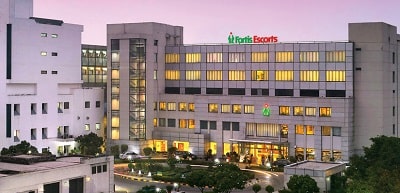
- Dr. Z.S. Meharwal – Fortis Escorts Heart Institute
- Dr. Harit Chaturvedi – Max Super Speciality Hospital
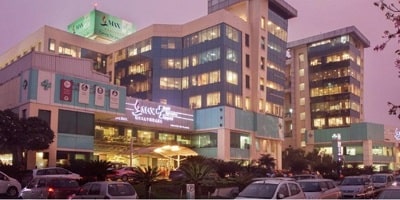
- Dr. Rajneesh Malhotra – Max Smart Super Speciality Hospital
- Dr. Kumud Kumar Dhital – Krishna Institute of Medical Sciences (KIMS)
- Dr. Naresh Trehan – Medanta – The Medicity
Best Hospitals for Robotic Thymectomy Surgery in India
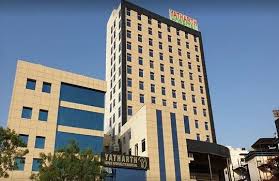
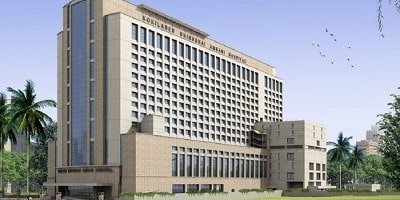
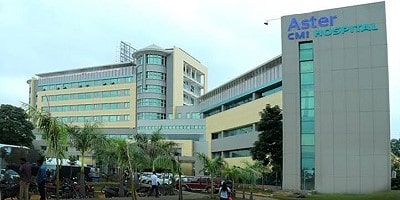
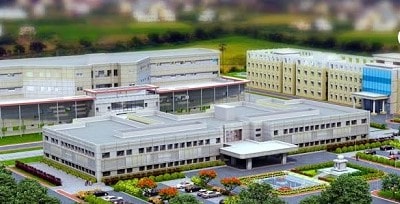
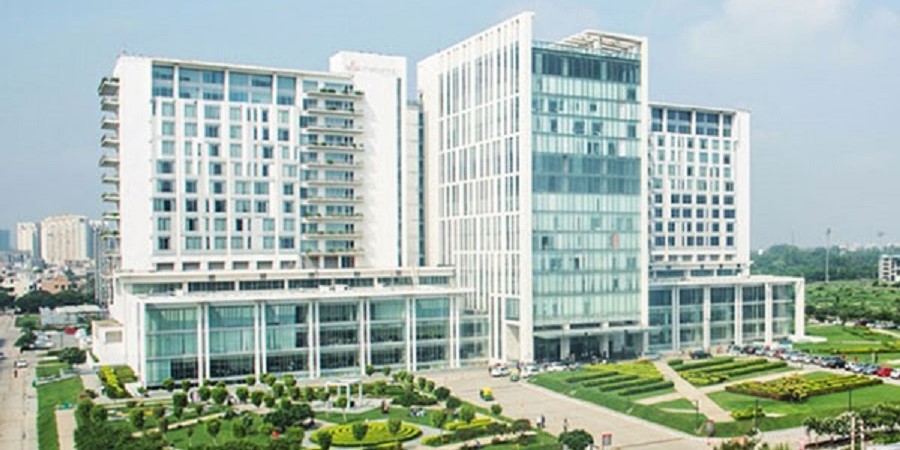
- Medanta – The Medicity
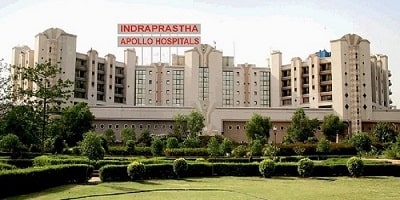
- Apollo Hospitals
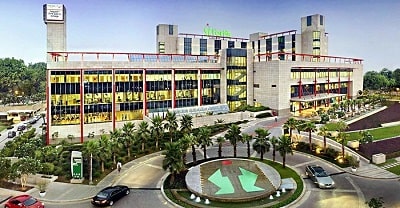
- Fortis Memorial Research Institute
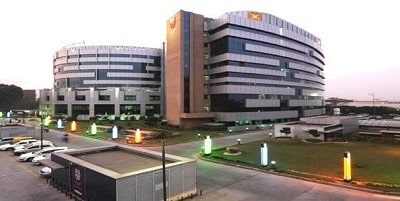
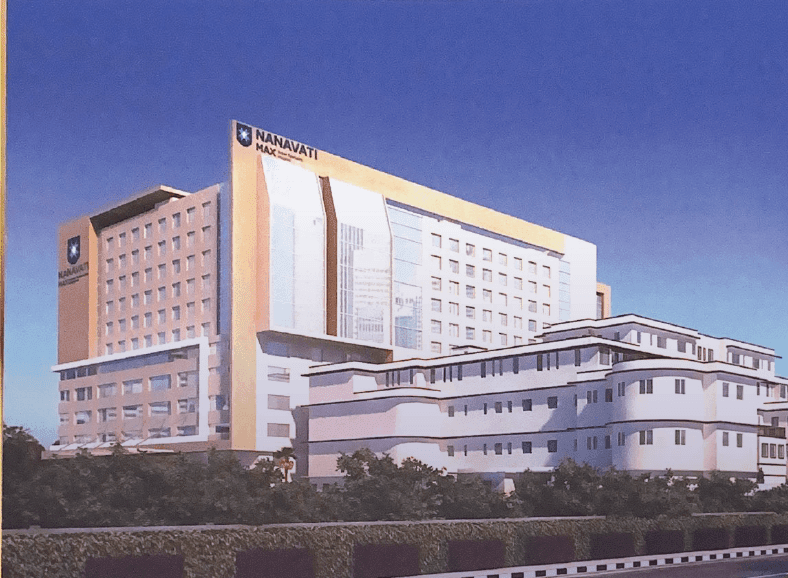
- Max Super Speciality Hospital
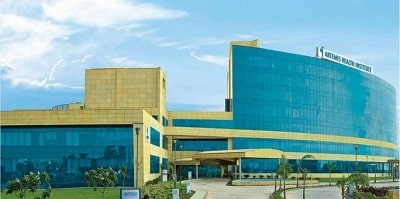
- Artemis Hospital
- Manipal Hospitals
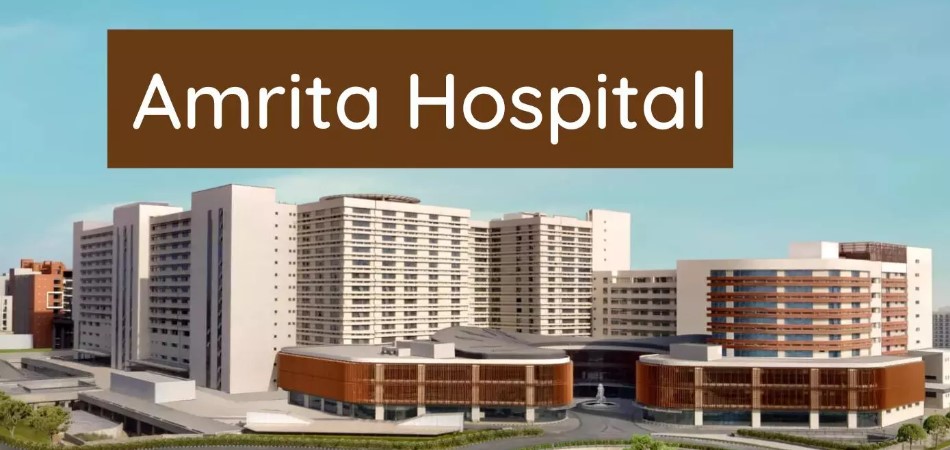
- Amrita Hospital
- Narayana Health
- KIMS Hospitals
- Yashoda Hospitals
Why Choose India for Robotic Thymectomy Surgery?
India is among the world's preferred destinations for robotic thoracic surgery because of:
- Affordable treatment costs
- Internationally trained thoracic surgeons
- Latest Da Vinci Robotic Surgical System
- NABH & JCI accredited hospitals
- Excellent patient outcomes
- Modern ICU facilities
- Advanced diagnostics
- Personalized treatment plans
- Minimal waiting time
- English-speaking doctors
- Dedicated international patient services
Why Choose Peace Medical Tourism?
Peace Medical Tourism helps international patients receive the best treatment in India's leading hospitals.
Our Services
- ✅ Free Medical Opinion
- ✅ Free Cost Estimate
- ✅ Best Hospital Recommendation
- ✅ Best Doctor Selection
- ✅ Medical Visa Invitation Letter
- ✅ Airport Pick-up & Drop
- ✅ Hotel Booking Assistance
- ✅ Language Interpreter
- ✅ Local Transportation
- ✅ 24×7 Dedicated Patient Coordinator
- ✅ Follow-up After Treatment
What is Robotic Thymectomy?
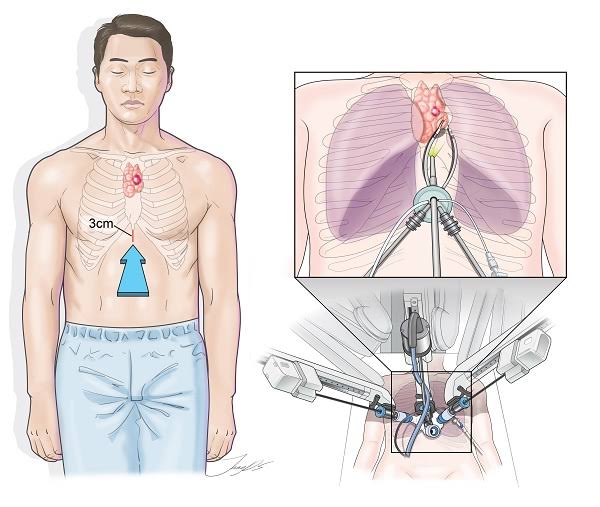
Robotic Thymectomy is a minimally invasive surgery performed to remove the thymus gland using an advanced robotic surgical system.
The procedure is commonly recommended for patients suffering from:
- Myasthenia Gravis
- Thymoma
- Thymic Hyperplasia
- Thymic Cysts
- Early-stage thymic cancer
Compared to traditional open surgery, robotic thymectomy offers:
- Smaller incisions
- Greater surgical precision
- Less pain
- Minimal blood loss
- Faster recovery
- Better cosmetic results
- Reduced risk of infection
Symptoms That May Indicate the Need for Robotic Thymectomy
The symptoms depend on the underlying condition affecting the thymus gland, such as myasthenia gravis, thymoma, or other thymic tumors. Some patients may have no symptoms, while others experience signs related to the tumor or associated autoimmune disorders.
Common Symptoms of Thymoma (Thymus Tumor)
- Persistent chest pain or discomfort
- Chronic cough
- Shortness of breath (dyspnea)
- Difficulty swallowing (dysphagia)
- Hoarseness of voice
- Swelling of the face, neck, or upper chest (superior vena cava syndrome)
- Recurrent respiratory infections
- Unexplained weight loss
- Fatigue or general weakness
Risk Factors for Thymoma and Conditions Requiring Robotic Thymectomy
- Age between 40–70 years
- Myasthenia gravis
- Thymoma (thymus tumor)
- Thymic hyperplasia (enlarged thymus)
- Autoimmune disorders
- Family history of autoimmune diseases
- Immune system disorders
- Previous chest radiation exposure (rare)
- Genetic predisposition (uncommon)
- Presence of benign or malignant thymic tumors
Preparation for Robotic Thymectomy Surgery in India
- Complete medical evaluation and physical examination
- Consultation with a thoracic surgeon and anesthesiologist
- Blood tests and routine laboratory investigations
- Chest CT scan, MRI, or PET-CT (if required)
- Pulmonary function tests (lung function assessment)
- Electrocardiogram (ECG) and echocardiogram (if indicated)
- Neurological evaluation for patients with myasthenia gravis
- Review of current medications and allergies
- Stop blood-thinning medications as advised by your doctor
- Quit smoking and avoid alcohol before surgery
- Follow fasting instructions (usually 6–8 hours before surgery)
- Arrange a caregiver for post-operative support
- Bring all previous medical records and imaging reports
- Obtain medical visa and travel documents (for international patients)
- Discuss the surgical procedure, potential risks, and expected recovery with your surgeon
- Sign informed consent before the operation
Robotic Thymectomy Surgery Procedure
- Pre-operative evaluation and anesthesia assessment
- Administration of general anesthesia
- Small keyhole incisions are made in the chest
- Robotic surgical instruments and a high-definition 3D camera are inserted
- The surgeon controls the robotic system from a console for precise movements
- The thymus gland (and thymoma, if present) is carefully separated from surrounding structures
- Complete removal of the thymus gland while preserving nearby nerves and blood vessels
- Specimen is removed through a small incision
- Bleeding is controlled, and a chest drain may be placed if required
- Incisions are closed with sutures or surgical glue
- Patient is transferred to the recovery room for monitoring
- Hospital stay is typically 3–5 days, depending on recovery and overall condition
Post-Procedure Care After Robotic Thymectomy Surgery
- Close monitoring in the recovery room or ICU (if required)
- Pain management with prescribed medications
- Chest drain monitoring and removal when appropriate
- Early walking and gentle movement to prevent complications
- Breathing exercises and incentive spirometry to improve lung function
- Regular monitoring of vital signs and oxygen levels
- Gradual progression from liquids to a normal diet
- Wound care and keeping the incision sites clean and dry
- Avoid heavy lifting and strenuous activities for 4–6 weeks
- Continue medications as prescribed, especially for myasthenia gravis (if applicable)
- Attend scheduled follow-up appointments with your surgeon
- Monitor for signs of infection, fever, excessive pain, or breathing difficulties
- Resume normal daily activities gradually, as advised by your doctor
- Full recovery is usually achieved within 6–8 weeks, depending on the patient's overall health and condition
Success Rate of Robotic Thymectomy Surgery
The success rate of Robotic Thymectomy Surgery in India is excellent when performed by experienced thoracic surgeons at specialized centers. Outcomes depend on the underlying condition, stage of disease, patient's overall health, and timely treatment.
ConditionApproximate Success RateMyasthenia Gravis80–90% significant improvement or remissionEarly-Stage Thymoma90–95% complete tumor removalBenign Thymic TumorsOver 95%Thymic Hyperplasia85–95% symptom improvement
Factors Affecting Success Rate
- Early diagnosis and treatment
- Type and stage of thymic disease
- Experience of the thoracic surgeon
- Use of advanced robotic surgical technology
- Patient's age and overall health
- Presence of associated conditions such as Myasthenia Gravis
- Quality of post-operative care and rehabilitation
- Regular follow-up after surgery
Overall, robotic thymectomy offers excellent clinical outcomes, lower complication rates, less postoperative pain, faster recovery, and shorter hospital stays compared with traditional open surgery in appropriately selected patients.
Frequently Asked Questions (FAQs) – Robotic Thymectomy Surgery in India
1. What is Robotic Thymectomy Surgery?
Robotic thymectomy is a minimally invasive procedure that uses a robotic surgical system to remove the thymus gland. It is commonly performed to treat myasthenia gravis, thymoma, thymic hyperplasia, and other thymic disorders.
2. How much does Robotic Thymectomy Surgery cost in India?
The cost generally ranges from USD 6,500 to USD 12,000 (₹5,50,000–₹10,00,000), depending on the hospital, surgeon, and patient's condition.
3. Who is a candidate for Robotic Thymectomy?
Patients diagnosed with myasthenia gravis, thymoma, thymic hyperplasia, thymic cysts, or early-stage thymic cancer may be suitable candidates after evaluation by a thoracic surgeon.
4. Is robotic thymectomy better than open surgery?
Yes. Robotic thymectomy offers smaller incisions, less pain, reduced blood loss, shorter hospital stays, faster recovery, and better cosmetic results compared to traditional open surgery.
5. What is the success rate of Robotic Thymectomy in India?
The success rate is 80–90% for suitable patients with myasthenia gravis and over 90–95% for early-stage thymoma when performed by experienced surgeons.
6. How long does the surgery take?
The procedure usually takes 2 to 4 hours, depending on the complexity of the case.
7. How long will I stay in the hospital?
Most patients stay in the hospital for 3–5 days after robotic thymectomy, depending on their recovery.
8. How long does recovery take?
Most patients return to light daily activities within 2–3 weeks, while complete recovery usually takes 6–8 weeks.
9. What are the risks of Robotic Thymectomy?
Although generally safe, potential risks include:
- Bleeding
- Infection
- Air leak from the lung
- Injury to nearby nerves or blood vessels
- Breathing complications
- Rare need to convert to open surgery
10. Will robotic thymectomy cure myasthenia gravis?
Robotic thymectomy can significantly improve symptoms and reduce medication requirements in many patients with myasthenia gravis, but it may not completely cure the condition in every case.
11. Is robotic thymectomy painful?
Because it is a minimally invasive procedure, patients usually experience less pain than with traditional open chest surgery.
12. Which hospitals in India perform Robotic Thymectomy?
Leading hospitals include:
- Medanta – The Medicity
- Apollo Hospitals
- Fortis Memorial Research Institute
- Max Super Speciality Hospital
- Artemis Hospital
- Manipal Hospitals
- Amrita Hospital
- Narayana Health
13. How long should international patients stay in India?
International patients are generally advised to stay 2–3 weeks for pre-operative evaluation, surgery, recovery, and follow-up.
14. Why should I choose India for Robotic Thymectomy?
India offers:
- Affordable treatment costs
- Experienced thoracic surgeons
- Advanced robotic surgical technology
- NABH and JCI-accredited hospitals
- High success rates
- Minimal waiting time
- Comprehensive international patient support
15. Why choose Peace Medical Tourism?
Peace Medical Tourism provides complete assistance, including:
- Free medical opinion
- Personalized treatment plan
- Best hospital and surgeon selection
- Cost estimation
- Medical visa assistance
- Airport pick-up and accommodation
- Dedicated patient coordinator
- 24×7 support throughout your medical journey
Robotic Thymectomy Surgery Cost in India, Robotic Thymectomy India, and Robotic Thymectomy Surgery are among the most searched treatment options for patients seeking advanced care for thymic disorders. India is home to the best robotic thymectomy hospitals and experienced thoracic surgeons, offering Da Vinci robotic surgery, minimally invasive thymectomy, and specialized treatment for thymoma, myasthenia gravis, and other thymus gland disorders. Patients can benefit from affordable thoracic surgery costs in India, high success rates, and world-class care at leading hospitals. Whether you are looking for thymectomy for myasthenia gravis, robotic thoracic surgery, robotic chest surgery, robotic mediastinal surgery, or thymic tumor surgery in India, leading centers provide comprehensive treatment for both domestic and international patients. Through Peace Medical Tourism, patients receive expert guidance in choosing the best hospitals for robotic surgery in India, personalized treatment plans, cost estimates, medical visa assistance, accommodation support, and complete medical tourism services for a seamless healthcare experience.
Top Doctors



Top Hospitals


ROBOTIC THYMECTOMY SURGERY COST IN INDIA
Duration of Treatment
5 to 6 hours
Days of Stay
4 to 6 days in hospital
Anesthesia
Genera Anesthesia
Cost
USD 6,500 to USD 12,000,
Robotic Thymectomy Surgery Cost in India
How Much Does Robotic Thymectomy Surgery Cost in India?
Are you looking for the Cost of Robotic Thymectomy Surgery in India or the best thoracic surgery hospitals in India at affordable prices?
India has become one of the leading destinations for robotic thoracic surgery, offering advanced technology, internationally trained thoracic surgeons, and world-class hospitals at a fraction of the cost compared to the USA, UK, and Europe.
The Robotic Thymectomy Surgery Cost in India generally ranges from USD 6,500 to USD 12,000 (approximately ₹5,50,000 to ₹10,00,000). The final cost depends on the patient's condition, hospital, surgeon's expertise, robotic technology used, and duration of hospital stay.
💯 We Specialize in Treating Complex Congenital Heart Defects & Pediatric Cardiac Conditions!
📅 Book Your Consultation Today!
📲 WhatsApp: +91 9582708782
📧 Email: treatmentquery@gmail.com
🔗 Visit Our Website: https://peacemedicaltourism.com
Robotic Thymectomy Surgery Cost by Procedure
| Treatment | Estimated Cost (INR) | Estimated Cost (USD) |
|---|---|---|
| Robotic Thymectomy | ₹5,50,000 – ₹10,00,000 | $6,500 – $12,000 |
| Video-Assisted Thoracoscopic Surgery (VATS) Thymectomy | ₹4,50,000 – ₹7,00,000 | $5,400 – $8,500 |
| Open Thymectomy | ₹3,50,000 – ₹6,00,000 | $4,200 – $7,200 |
| Pre-operative Investigations | ₹25,000 – ₹60,000 | $300 – $700 |
| ICU & Hospital Stay | Depends on hospital | Included in package (most hospitals) |
Additional Expenses
International patients should also consider the following estimated expenses:
- Hotel near hospital: USD 20–60 per night
- Food: USD 20–30 per day
- Local transportation: USD 15–25 per day
- Interpreter (if required): Available on request
Factors Affecting Robotic Thymectomy Surgery Cost in India
The overall treatment cost depends on several factors, including:
- Type of thymus disease
- Myasthenia Gravis or Thymoma
- Benign or malignant tumor
- Tumor size and stage
- Robotic or VATS surgical approach
- Surgeon's experience
- Hospital accreditation (NABH/JCI)
- ICU requirement
- Room category
- Diagnostic investigations (CT Scan, MRI, PET-CT, Blood Tests)
- Length of hospital stay
- Patient's overall health condition
- Post-operative rehabilitation
Best Robotic Thoracic Surgeons in India
Some of India's leading thoracic surgeons experienced in robotic thymectomy include:
- Dr. Arvind Kumar – Medanta – The Medicity, Gurugram
- Dr. Sandeep Attawar – KIMS Hospitals, Hyderabad
- Dr. Rajesh Sharma – Medanta – The Medicity
- Dr. Mohan Keshavamurthy – Fortis Hospitals
- Dr. Anil Bhan – Medanta – The Medicity
- Dr. Z.S. Meharwal – Fortis Escorts Heart Institute
- Dr. Harit Chaturvedi – Max Super Speciality Hospital
- Dr. Rajneesh Malhotra – Max Smart Super Speciality Hospital
- Dr. Kumud Kumar Dhital – Krishna Institute of Medical Sciences (KIMS)
- Dr. Naresh Trehan – Medanta – The Medicity
Best Hospitals for Robotic Thymectomy Surgery in India
- Medanta – The Medicity
- Apollo Hospitals
- Fortis Memorial Research Institute
- Max Super Speciality Hospital
- Artemis Hospital
- Manipal Hospitals
- Amrita Hospital
- Narayana Health
- KIMS Hospitals
- Yashoda Hospitals
Why Choose India for Robotic Thymectomy Surgery?
India is among the world's preferred destinations for robotic thoracic surgery because of:
- Affordable treatment costs
- Internationally trained thoracic surgeons
- Latest Da Vinci Robotic Surgical System
- NABH & JCI accredited hospitals
- Excellent patient outcomes
- Modern ICU facilities
- Advanced diagnostics
- Personalized treatment plans
- Minimal waiting time
- English-speaking doctors
- Dedicated international patient services
Why Choose Peace Medical Tourism?
Peace Medical Tourism helps international patients receive the best treatment in India's leading hospitals.
Our Services
- ✅ Free Medical Opinion
- ✅ Free Cost Estimate
- ✅ Best Hospital Recommendation
- ✅ Best Doctor Selection
- ✅ Medical Visa Invitation Letter
- ✅ Airport Pick-up & Drop
- ✅ Hotel Booking Assistance
- ✅ Language Interpreter
- ✅ Local Transportation
- ✅ 24×7 Dedicated Patient Coordinator
- ✅ Follow-up After Treatment
What is Robotic Thymectomy?
Robotic Thymectomy is a minimally invasive surgery performed to remove the thymus gland using an advanced robotic surgical system.
The procedure is commonly recommended for patients suffering from:
- Myasthenia Gravis
- Thymoma
- Thymic Hyperplasia
- Thymic Cysts
- Early-stage thymic cancer
Compared to traditional open surgery, robotic thymectomy offers:
- Smaller incisions
- Greater surgical precision
- Less pain
- Minimal blood loss
- Faster recovery
- Better cosmetic results
- Reduced risk of infection
symptoms
Symptoms That May Indicate the Need for Robotic Thymectomy
The symptoms depend on the underlying condition affecting the thymus gland, such as myasthenia gravis, thymoma, or other thymic tumors. Some patients may have no symptoms, while others experience signs related to the tumor or associated autoimmune disorders.
Common Symptoms of Thymoma (Thymus Tumor)
- Persistent chest pain or discomfort
- Chronic cough
- Shortness of breath (dyspnea)
- Difficulty swallowing (dysphagia)
- Hoarseness of voice
- Swelling of the face, neck, or upper chest (superior vena cava syndrome)
- Recurrent respiratory infections
- Unexplained weight loss
- Fatigue or general weakness
risk factors
Risk Factors for Thymoma and Conditions Requiring Robotic Thymectomy
- Age between 40–70 years
- Myasthenia gravis
- Thymoma (thymus tumor)
- Thymic hyperplasia (enlarged thymus)
- Autoimmune disorders
- Family history of autoimmune diseases
- Immune system disorders
- Previous chest radiation exposure (rare)
- Genetic predisposition (uncommon)
- Presence of benign or malignant thymic tumors
preparation
Preparation for Robotic Thymectomy Surgery in India
- Complete medical evaluation and physical examination
- Consultation with a thoracic surgeon and anesthesiologist
- Blood tests and routine laboratory investigations
- Chest CT scan, MRI, or PET-CT (if required)
- Pulmonary function tests (lung function assessment)
- Electrocardiogram (ECG) and echocardiogram (if indicated)
- Neurological evaluation for patients with myasthenia gravis
- Review of current medications and allergies
- Stop blood-thinning medications as advised by your doctor
- Quit smoking and avoid alcohol before surgery
- Follow fasting instructions (usually 6–8 hours before surgery)
- Arrange a caregiver for post-operative support
- Bring all previous medical records and imaging reports
- Obtain medical visa and travel documents (for international patients)
- Discuss the surgical procedure, potential risks, and expected recovery with your surgeon
- Sign informed consent before the operation
procedure
Robotic Thymectomy Surgery Procedure
- Pre-operative evaluation and anesthesia assessment
- Administration of general anesthesia
- Small keyhole incisions are made in the chest
- Robotic surgical instruments and a high-definition 3D camera are inserted
- The surgeon controls the robotic system from a console for precise movements
- The thymus gland (and thymoma, if present) is carefully separated from surrounding structures
- Complete removal of the thymus gland while preserving nearby nerves and blood vessels
- Specimen is removed through a small incision
- Bleeding is controlled, and a chest drain may be placed if required
- Incisions are closed with sutures or surgical glue
- Patient is transferred to the recovery room for monitoring
- Hospital stay is typically 3–5 days, depending on recovery and overall condition
post procedure
Post-Procedure Care After Robotic Thymectomy Surgery
- Close monitoring in the recovery room or ICU (if required)
- Pain management with prescribed medications
- Chest drain monitoring and removal when appropriate
- Early walking and gentle movement to prevent complications
- Breathing exercises and incentive spirometry to improve lung function
- Regular monitoring of vital signs and oxygen levels
- Gradual progression from liquids to a normal diet
- Wound care and keeping the incision sites clean and dry
- Avoid heavy lifting and strenuous activities for 4–6 weeks
- Continue medications as prescribed, especially for myasthenia gravis (if applicable)
- Attend scheduled follow-up appointments with your surgeon
- Monitor for signs of infection, fever, excessive pain, or breathing difficulties
- Resume normal daily activities gradually, as advised by your doctor
- Full recovery is usually achieved within 6–8 weeks, depending on the patient's overall health and condition
success rate
Success Rate of Robotic Thymectomy Surgery
The success rate of Robotic Thymectomy Surgery in India is excellent when performed by experienced thoracic surgeons at specialized centers. Outcomes depend on the underlying condition, stage of disease, patient's overall health, and timely treatment.
ConditionApproximate Success RateMyasthenia Gravis80–90% significant improvement or remissionEarly-Stage Thymoma90–95% complete tumor removalBenign Thymic TumorsOver 95%Thymic Hyperplasia85–95% symptom improvement
Factors Affecting Success Rate
- Early diagnosis and treatment
- Type and stage of thymic disease
- Experience of the thoracic surgeon
- Use of advanced robotic surgical technology
- Patient's age and overall health
- Presence of associated conditions such as Myasthenia Gravis
- Quality of post-operative care and rehabilitation
- Regular follow-up after surgery
Overall, robotic thymectomy offers excellent clinical outcomes, lower complication rates, less postoperative pain, faster recovery, and shorter hospital stays compared with traditional open surgery in appropriately selected patients.
faqs from doctor
Frequently Asked Questions (FAQs) – Robotic Thymectomy Surgery in India
1. What is Robotic Thymectomy Surgery?
Robotic thymectomy is a minimally invasive procedure that uses a robotic surgical system to remove the thymus gland. It is commonly performed to treat myasthenia gravis, thymoma, thymic hyperplasia, and other thymic disorders.
2. How much does Robotic Thymectomy Surgery cost in India?
The cost generally ranges from USD 6,500 to USD 12,000 (₹5,50,000–₹10,00,000), depending on the hospital, surgeon, and patient's condition.
3. Who is a candidate for Robotic Thymectomy?
Patients diagnosed with myasthenia gravis, thymoma, thymic hyperplasia, thymic cysts, or early-stage thymic cancer may be suitable candidates after evaluation by a thoracic surgeon.
4. Is robotic thymectomy better than open surgery?
Yes. Robotic thymectomy offers smaller incisions, less pain, reduced blood loss, shorter hospital stays, faster recovery, and better cosmetic results compared to traditional open surgery.
5. What is the success rate of Robotic Thymectomy in India?
The success rate is 80–90% for suitable patients with myasthenia gravis and over 90–95% for early-stage thymoma when performed by experienced surgeons.
6. How long does the surgery take?
The procedure usually takes 2 to 4 hours, depending on the complexity of the case.
7. How long will I stay in the hospital?
Most patients stay in the hospital for 3–5 days after robotic thymectomy, depending on their recovery.
8. How long does recovery take?
Most patients return to light daily activities within 2–3 weeks, while complete recovery usually takes 6–8 weeks.
9. What are the risks of Robotic Thymectomy?
Although generally safe, potential risks include:
- Bleeding
- Infection
- Air leak from the lung
- Injury to nearby nerves or blood vessels
- Breathing complications
- Rare need to convert to open surgery
10. Will robotic thymectomy cure myasthenia gravis?
Robotic thymectomy can significantly improve symptoms and reduce medication requirements in many patients with myasthenia gravis, but it may not completely cure the condition in every case.
11. Is robotic thymectomy painful?
Because it is a minimally invasive procedure, patients usually experience less pain than with traditional open chest surgery.
12. Which hospitals in India perform Robotic Thymectomy?
Leading hospitals include:
- Medanta – The Medicity
- Apollo Hospitals
- Fortis Memorial Research Institute
- Max Super Speciality Hospital
- Artemis Hospital
- Manipal Hospitals
- Amrita Hospital
- Narayana Health
13. How long should international patients stay in India?
International patients are generally advised to stay 2–3 weeks for pre-operative evaluation, surgery, recovery, and follow-up.
14. Why should I choose India for Robotic Thymectomy?
India offers:
- Affordable treatment costs
- Experienced thoracic surgeons
- Advanced robotic surgical technology
- NABH and JCI-accredited hospitals
- High success rates
- Minimal waiting time
- Comprehensive international patient support
15. Why choose Peace Medical Tourism?
Peace Medical Tourism provides complete assistance, including:
- Free medical opinion
- Personalized treatment plan
- Best hospital and surgeon selection
- Cost estimation
- Medical visa assistance
- Airport pick-up and accommodation
- Dedicated patient coordinator
- 24×7 support throughout your medical journey
Robotic Thymectomy Surgery Cost in India, Robotic Thymectomy India, and Robotic Thymectomy Surgery are among the most searched treatment options for patients seeking advanced care for thymic disorders. India is home to the best robotic thymectomy hospitals and experienced thoracic surgeons, offering Da Vinci robotic surgery, minimally invasive thymectomy, and specialized treatment for thymoma, myasthenia gravis, and other thymus gland disorders. Patients can benefit from affordable thoracic surgery costs in India, high success rates, and world-class care at leading hospitals. Whether you are looking for thymectomy for myasthenia gravis, robotic thoracic surgery, robotic chest surgery, robotic mediastinal surgery, or thymic tumor surgery in India, leading centers provide comprehensive treatment for both domestic and international patients. Through Peace Medical Tourism, patients receive expert guidance in choosing the best hospitals for robotic surgery in India, personalized treatment plans, cost estimates, medical visa assistance, accommodation support, and complete medical tourism services for a seamless healthcare experience.