Duration of Treatment
Depends on Cancer
Days of Stay
Depends on Cancer
Anesthesia
No need
Cost
200 to 5000 USD
Chemotherapy Cost in India – Complete Guide
Are you looking for affordable and advanced chemotherapy treatment cost in India? India offers modern cancer treatment facilities, experienced medical oncologists, advanced chemotherapy protocols, and comprehensive supportive care at comparatively affordable costs.
If you are planning cancer treatment in India, send your biopsy report, pathology report, scans, and previous treatment records for medical review. The oncologist can then recommend an appropriate treatment plan and provide a more personalized cost estimate.
📲 WhatsApp: +91 9582708782
📧 Email: treatmentquery@gmail.com
🌐 Website: Peace Medical Tourism
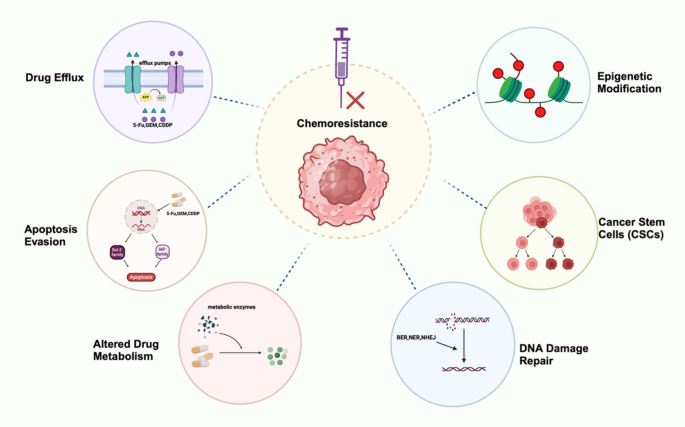
Chemotherapy uses medicines to destroy cancer cells or stop their growth. It may be used alone or together with surgery, radiation therapy, targeted therapy, immunotherapy, or other treatments depending on the type and stage of cancer.
Chemotherapy Cost in India
The approximate cost of chemotherapy in India can range from ₹15,000 to ₹2,00,000 or more per cycle, depending on the cancer type, medicines used, dosage, hospital, and treatment protocol. Advanced drug combinations and newer medicines can substantially increase the cost.
| Treatment | Approximate Cost in India |
|---|---|
| Basic Chemotherapy | 300 – 400 USD per cycle |
| Combination Chemotherapy | 500 – 800 USD per cycle |
| Advanced Chemotherapy | 1000 – 2000 USD + per cycle |
| Chemotherapy with Targeted/Other Advanced Medicines | May exceed 3000 to 5000 USD per cycle |
Important: These are indicative ranges, not fixed quotations. The actual cost should be confirmed after an oncologist reviews the patient's medical reports and recommends a treatment protocol.
What Determines Chemotherapy Cost in India?
The final chemotherapy cost depends on:
- Type and stage of cancer
- Chemotherapy drugs prescribed
- Dosage and patient's body weight
- Number of chemotherapy cycles
- Hospital and city
- Day-care or inpatient treatment
- Blood tests and imaging
- Supportive medicines
- Management of treatment-related complications
- Whether targeted therapy, immunotherapy, radiation, or surgery is also required
Chemotherapy schedules vary considerably. Some patients receive treatment in cycles followed by rest periods, allowing the body time to recover. The frequency and total duration depend on the cancer and treatment goals.
What is Chemotherapy?
Chemotherapy is a cancer treatment that uses medicines to kill cancer cells or slow their growth. It can be used with the goal of curing cancer, reducing the risk of recurrence, controlling cancer growth, or relieving symptoms caused by cancer.
Chemotherapy may be administered through:
- Intravenous (IV) infusion
- Oral medicines
- Injection
- Other specialized routes depending on the cancer and treatment plan
Many chemotherapy treatments are provided on an outpatient basis, while some patients may require hospitalization.
Which Cancers Can Be Treated With Chemotherapy?
Chemotherapy may be used to treat many types of cancer, including:
Click the below link for more details:
- Bladder cancer
- Bone cancer
- Brain cancer
- Breast Cancer
- Colon cancer
- Stomach (Gastric) Cancer
- Lung cancer
- Liver cancer
- Leukemia Cancer
- Pancreatic Cancer
- Thyroid Cancer
- Lymphoma
- Multiple myeloma
- Testicular cancer
- Head and neck cancers
- Certain childhood cancers
The treatment plan is determined according to the specific cancer, stage, biomarkers, previous treatment, and overall health of the patient.
Types of Chemotherapy
1. Neoadjuvant Chemotherapy: Chemotherapy may be given before surgery or radiation therapy to shrink a tumor and make subsequent treatment easier.
2. Adjuvant Chemotherapy: Chemotherapy may be given after surgery to destroy cancer cells that may remain and reduce the risk of recurrence.
3. Palliative Chemotherapy: For advanced cancer, chemotherapy may be used to control cancer growth, reduce symptoms, and improve quality of life.
4. Combination Chemotherapy: Doctors may use two or more chemotherapy medicines together because different drugs can attack cancer cells in different ways.
Chemotherapy can also be combined with other cancer treatments when clinically appropriate.
Best Hospitals for Chemotherapy in India
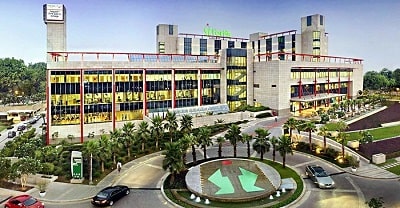
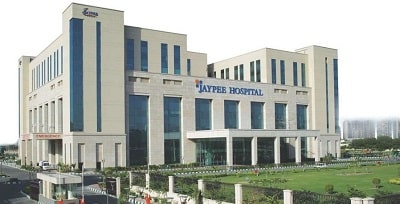
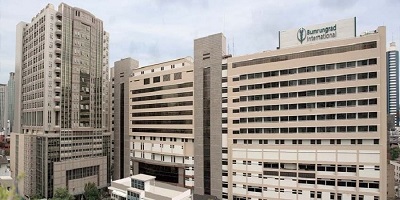
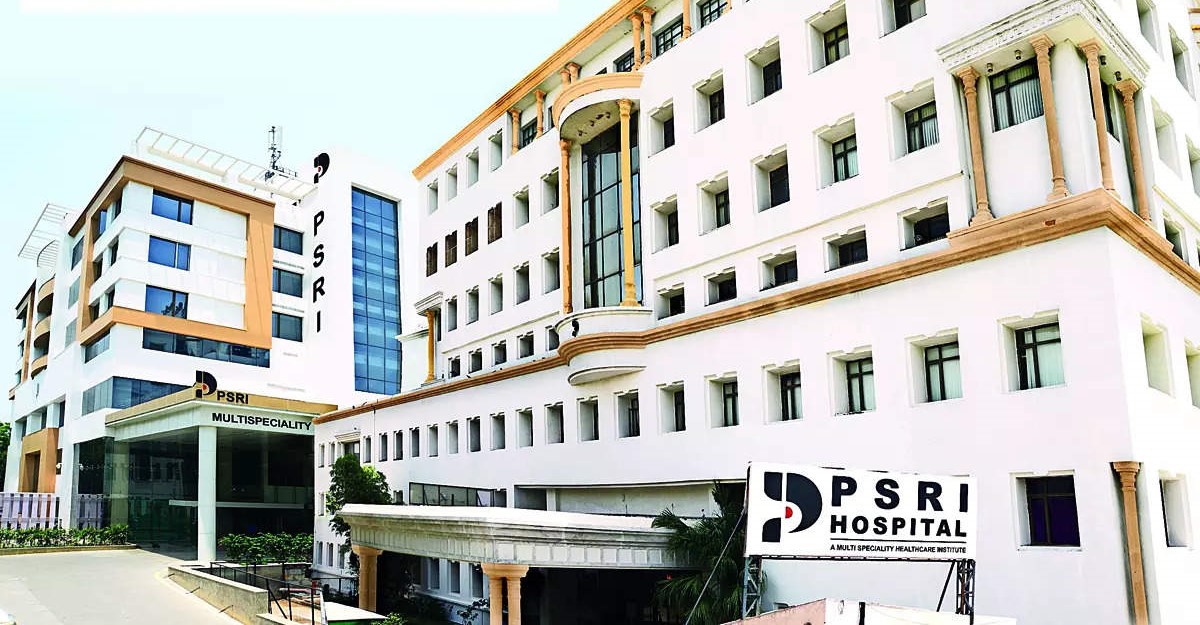
India has several major cancer centers and multispecialty hospitals providing medical oncology services. Depending on the patient's diagnosis and location, options may include:
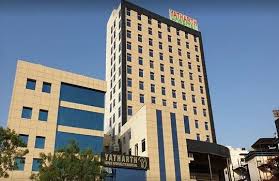
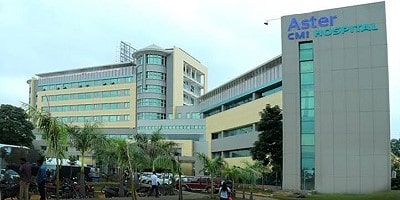
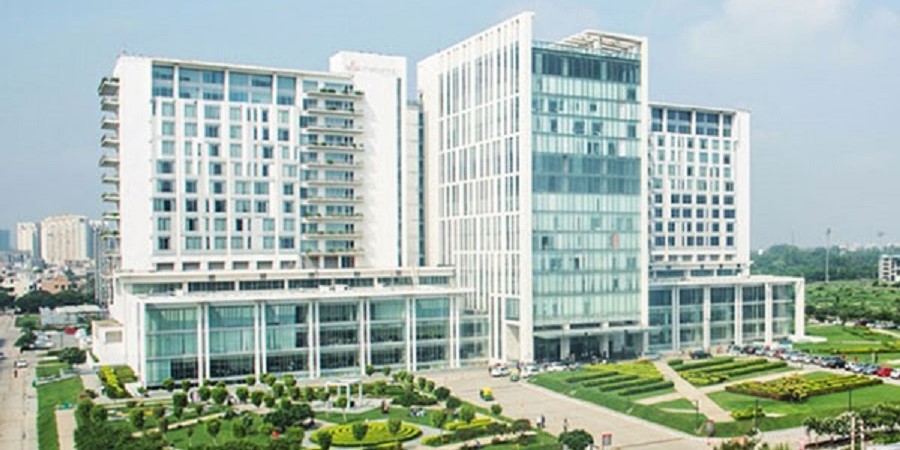
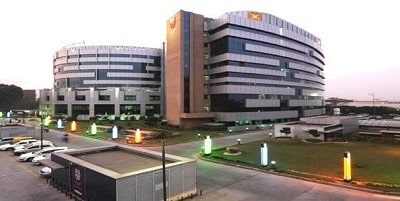
- BLK-Max Super Speciality Hospital, Delhi
- Max Super Speciality Hospital, Delhi
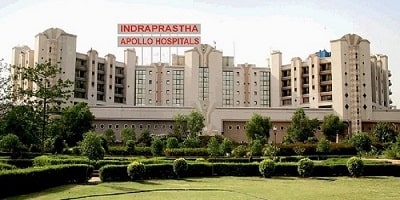
- Indraprastha Apollo Hospitals, Delhi
- Medanta – The Medicity, Gurugram
- Fortis Memorial Research Institute, Gurugram
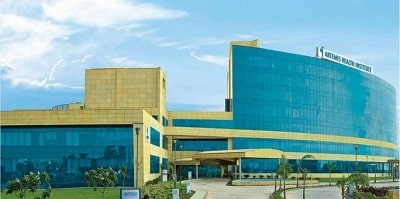
- Artemis Hospital, Gurugram
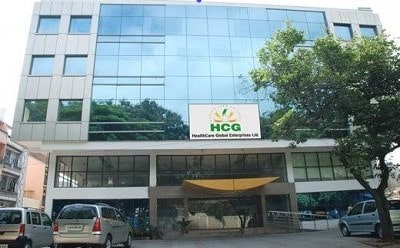
- HCG Cancer Centre
- Manipal Hospitals
- Amrita Hospital
- Tata Memorial Centre, Mumbai
The best hospital depends on the patient's cancer type, stage, treatment requirements, and the specialist's recommendation rather than simply the hospital's name.
Why Choose India for Chemotherapy?
International patients often consider India because of:
✅ Experienced medical oncologists
✅ Modern cancer hospitals
✅ Advanced diagnostic facilities
✅ Access to multidisciplinary cancer care
✅ Competitive treatment costs
✅ Comprehensive supportive care
✅ International patient departments
✅ Rehabilitation and follow-up services
For international patients, it is also important to budget for accommodation, transportation, food, investigations, and other non-medical expenses in addition to the hospital bill. Recent reporting has highlighted that travel, accommodation, and food can create significant additional costs for patients receiving cancer care away from home.
Chemotherapy for International Patients in India
Peace Medical Tourism can assist international patients with:
- Free medical opinion
- Hospital selection
- Oncologist consultation
- Treatment cost estimate
- Medical visa invitation letter
- Airport pick-up
- Hotel accommodation assistance
- Interpreter support
- Local transportation
- Treatment coordination
- Follow-up assistance
Symptoms That May Lead to Chemotherapy Evaluation
Chemotherapy is not prescribed based on symptoms alone. It is recommended after a confirmed cancer diagnosis and assessment of the cancer type, stage, biomarkers, and overall health. However, certain symptoms may lead a doctor to investigate for cancer and consider chemotherapy as part of treatment.
Common symptoms that may require medical evaluation include:
- Unexplained weight loss
- Persistent fatigue or weakness
- Unexplained fever or night sweats
- Persistent or worsening pain
- Unusual lumps or swelling
- Unexplained bleeding or bruising
- Persistent cough or difficulty breathing
- Changes in bowel or bladder habits
- Difficulty swallowing or persistent indigestion
- Unexplained anemia
- Persistent headaches or neurological changes
- Skin changes or a sore that does not heal
- Enlarged lymph nodes
- Repeated or persistent infections
When Is Chemotherapy Actually Recommended?
After cancer is diagnosed, an oncologist may recommend chemotherapy when it is appropriate to:
- Destroy cancer cells before surgery (neoadjuvant chemotherapy)
- Destroy remaining cancer cells after surgery (adjuvant chemotherapy)
- Treat cancer that has spread to other parts of the body
- Control cancer growth in advanced disease
- Reduce symptoms caused by cancer
- Treat certain blood cancers such as leukemia and lymphoma
The decision depends on the type and stage of cancer, tumor characteristics, previous treatment, and patient's overall health.
Important: These symptoms do not necessarily mean that a person has cancer or needs chemotherapy. If you experience persistent or unexplained symptoms, consult a qualified doctor for appropriate testing and diagnosis.
Side Effects of Chemotherapy
Chemotherapy can affect healthy cells as well as cancer cells, so side effects may occur. Common side effects include:
- Fatigue
- Nausea and vomiting
- Loss of appetite
- Hair loss
- Mouth sores
- Diarrhea or constipation
- Reduced blood counts
- Increased risk of infection
- Easy bruising or bleeding
- Peripheral neuropathy
- Changes in taste
- Skin or nail changes
Not every patient experiences the same side effects, and their severity varies according to the medicines and dosage.
Modern supportive medicines can help doctors prevent or manage many chemotherapy-related side effects.
Preparation for Chemotherapy
Before starting chemotherapy, the oncologist generally reviews:
- Cancer diagnosis and biopsy report
- Cancer stage
- CT, MRI, PET-CT, or other imaging
- Complete blood count
- Kidney and liver function
- Heart function when required
- Previous cancer treatments
- Current medicines
- General health and nutritional condition
Depending on the cancer, additional molecular or biomarker testing may help doctors select an appropriate treatment strategy.
Chemotherapy Procedure in India
The chemotherapy procedure generally follows these steps:
Step 1: Consultation
A medical oncologist reviews the patient's diagnosis, reports, and previous treatment.
Step 2: Treatment Planning
The oncologist determines the appropriate chemotherapy drugs, dosage, treatment schedule, and number of cycles.
Step 3: Pre-Chemotherapy Tests
Blood tests and other investigations are performed to ensure that the patient is fit to receive the planned treatment.
Step 4: Administration of Medicines
Chemotherapy may be administered through an IV infusion, injection, or orally, depending on the prescribed medicines.
Step 5: Monitoring
The medical team monitors the patient during and after treatment for reactions and side effects.
Step 6: Recovery Period
A rest period may follow chemotherapy before the next cycle. The exact schedule varies according to the treatment protocol and how the patient's body responds.
Post-Chemotherapy Care
After chemotherapy, patients should follow their oncologist's instructions carefully.
Important post-treatment care includes:
- Attend scheduled follow-up appointments.
- Complete recommended blood tests.
- Take prescribed medicines correctly.
- Maintain adequate hydration.
- Eat a balanced and nutritious diet.
- Get sufficient rest.
- Maintain appropriate physical activity as advised.
- Avoid exposure to infections when blood counts are low.
- Report fever, unusual bleeding, severe vomiting, breathing difficulties, or other concerning symptoms promptly.
Patients should not assume that severe side effects mean chemotherapy is working better. Treatment response is assessed through medical examinations, blood tests, and appropriate imaging—not by the severity of side effects
Chemotherapy Success Rate in India
There is no single success rate for chemotherapy because outcomes vary greatly according to the type and stage of cancer.
Factors affecting treatment outcomes include:
- Type of cancer
- Cancer stage
- Tumor biology
- Genetic or molecular characteristics
- Patient's age
- Overall health
- Response to chemotherapy
- Whether chemotherapy is combined with other treatments
- Completion of the recommended treatment plan
Doctors monitor treatment response through examinations, blood tests, CT scans, MRI, PET-CT, or other appropriate investigations.
Frequently Asked Questions About Chemotherapy in India
1. What is the cost of chemotherapy in India?
Chemotherapy may cost approximately 300 TO 5000 USD or more per cycle, depending on the drugs, cancer type, hospital, dosage, and treatment protocol.
2. How many chemotherapy cycles are required?
The number of cycles varies according to the cancer and treatment plan. Some patients require only a few cycles, while others may require a longer course of treatment.
3. Is chemotherapy painful?
Chemotherapy itself is not necessarily painful, although IV insertion and some medicines can cause discomfort or side effects. Patients should tell their medical team about any pain or unusual symptoms.
4. How long does one chemotherapy session take?
The duration varies from a few minutes to several hours, depending on the medicines and protocol. Some treatments require longer observation.
5. Can chemotherapy cure cancer?
Chemotherapy can cure some cancers, while in other situations it is used to reduce recurrence risk, control cancer growth, or relieve symptoms. The goal depends on the cancer and its stage.
6. Does chemotherapy always cause hair loss?
No. Hair loss depends on the specific chemotherapy medicines and dosage. Some chemotherapy drugs cause significant hair loss, while others may cause little or none.
7. What are the common side effects of chemotherapy?
Common side effects include fatigue, nausea, vomiting, hair loss, mouth sores, changes in appetite, reduced blood counts, and increased infection risk.
8. Can chemotherapy be combined with radiation therapy?
Yes. Depending on the cancer, chemotherapy may be combined with radiation therapy, surgery, targeted therapy, or immunotherapy.
9. Is chemotherapy available for international patients in India?
Yes. Leading Indian cancer hospitals routinely provide treatment services for international patients.
10. How can Peace Medical Tourism help with chemotherapy treatment in India?
Peace Medical Tourism can help international patients obtain a medical opinion, select an appropriate hospital and oncologist, estimate treatment costs, arrange visa assistance, airport transfers, accommodation, and treatment coordination.
Get a Chemotherapy Cost Estimate in India
If you are planning cancer treatment in India, send your biopsy report, pathology report, scans, and previous treatment records for medical review. The oncologist can then recommend an appropriate treatment plan and provide a more personalized cost estimate.
📲 WhatsApp: +91 9582708782
📧 Email: treatmentquery@gmail.com
🌐 Website: Peace Medical Tourism
Note: Chemotherapy is highly individualized. The cost, medicines, number of cycles, and expected outcome must be determined by a qualified medical oncologist after reviewing the patient's diagnosis and medical records.
Chemotherapy Treatment in India is widely available at leading cancer centres with experienced medical oncologists, advanced diagnostic facilities, and modern treatment protocols. Chemotherapy for cancer uses specialized medicines to destroy cancer cells, control their growth, reduce the risk of recurrence, or manage advanced disease. The chemotherapy cost in India and overall chemotherapy treatment cost vary depending on the type and stage of cancer, medicines used, number of cycles, hospital, and patient's overall health. India has several reputed chemotherapy hospitals in India and cancer hospitals in India offering comprehensive oncology care at comparatively affordable prices. Patients can consult experienced best oncologists in India and chemotherapy doctors in India to determine the most appropriate treatment approach.
The chemotherapy procedure may involve intravenous medicines, injections, or oral chemotherapy drugs and is generally administered in carefully planned cycles. Depending on the cancer, chemotherapy may be used alone or combined with surgery, radiation therapy, targeted therapy, or immunotherapy. Chemotherapy side effects can include fatigue, nausea, vomiting, hair loss, mouth sores, reduced blood counts, and increased risk of infection, although the effects vary from patient to patient. Chemotherapy success rates depend on the cancer type, stage, patient's overall health, treatment response, and whether chemotherapy is combined with other treatments. Chemotherapy recovery also varies, with patients often requiring regular monitoring, nutritional support, rest, and follow-up care between and after treatment cycles.
For international patients, affordable chemotherapy in India makes the country an attractive destination for medical tourism in India. The overall cancer treatment cost in India is often lower than in many Western countries, while patients can access modern cancer care and multidisciplinary treatment teams. Peace Medical Tourism assists international patients in finding suitable best chemotherapy hospitals in India, experienced oncologists, treatment options, cost estimates, medical visa assistance, airport transfers, accommodation, and follow-up coordination, helping make the journey for chemotherapy for international patients more convenient and organized.
Top Doctors
Sorry, There is nothing to show!Come back soon.
Top Hospitals











CHEMOTHERAPY COST IN INDIA
Duration of Treatment
Depends on Cancer
Days of Stay
Depends on Cancer
Anesthesia
No need
Cost
200 to 5000 USD
Chemotherapy Cost in India – Complete Guide
Are you looking for affordable and advanced chemotherapy treatment cost in India? India offers modern cancer treatment facilities, experienced medical oncologists, advanced chemotherapy protocols, and comprehensive supportive care at comparatively affordable costs.
If you are planning cancer treatment in India, send your biopsy report, pathology report, scans, and previous treatment records for medical review. The oncologist can then recommend an appropriate treatment plan and provide a more personalized cost estimate.
📲 WhatsApp: +91 9582708782
📧 Email: treatmentquery@gmail.com
🌐 Website: Peace Medical Tourism
Chemotherapy uses medicines to destroy cancer cells or stop their growth. It may be used alone or together with surgery, radiation therapy, targeted therapy, immunotherapy, or other treatments depending on the type and stage of cancer.
Chemotherapy Cost in India
The approximate cost of chemotherapy in India can range from ₹15,000 to ₹2,00,000 or more per cycle, depending on the cancer type, medicines used, dosage, hospital, and treatment protocol. Advanced drug combinations and newer medicines can substantially increase the cost.
| Treatment | Approximate Cost in India |
|---|---|
| Basic Chemotherapy | 300 – 400 USD per cycle |
| Combination Chemotherapy | 500 – 800 USD per cycle |
| Advanced Chemotherapy | 1000 – 2000 USD + per cycle |
| Chemotherapy with Targeted/Other Advanced Medicines | May exceed 3000 to 5000 USD per cycle |
Important: These are indicative ranges, not fixed quotations. The actual cost should be confirmed after an oncologist reviews the patient's medical reports and recommends a treatment protocol.
What Determines Chemotherapy Cost in India?
The final chemotherapy cost depends on:
- Type and stage of cancer
- Chemotherapy drugs prescribed
- Dosage and patient's body weight
- Number of chemotherapy cycles
- Hospital and city
- Day-care or inpatient treatment
- Blood tests and imaging
- Supportive medicines
- Management of treatment-related complications
- Whether targeted therapy, immunotherapy, radiation, or surgery is also required
Chemotherapy schedules vary considerably. Some patients receive treatment in cycles followed by rest periods, allowing the body time to recover. The frequency and total duration depend on the cancer and treatment goals.
What is Chemotherapy?
Chemotherapy is a cancer treatment that uses medicines to kill cancer cells or slow their growth. It can be used with the goal of curing cancer, reducing the risk of recurrence, controlling cancer growth, or relieving symptoms caused by cancer.
Chemotherapy may be administered through:
- Intravenous (IV) infusion
- Oral medicines
- Injection
- Other specialized routes depending on the cancer and treatment plan
Many chemotherapy treatments are provided on an outpatient basis, while some patients may require hospitalization.
Which Cancers Can Be Treated With Chemotherapy?
Chemotherapy may be used to treat many types of cancer, including:
Click the below link for more details:
- Bladder cancer
- Bone cancer
- Brain cancer
- Breast Cancer
- Colon cancer
- Stomach (Gastric) Cancer
- Lung cancer
- Liver cancer
- Leukemia Cancer
- Pancreatic Cancer
- Thyroid Cancer
- Lymphoma
- Multiple myeloma
- Testicular cancer
- Head and neck cancers
- Certain childhood cancers
The treatment plan is determined according to the specific cancer, stage, biomarkers, previous treatment, and overall health of the patient.
Types of Chemotherapy
1. Neoadjuvant Chemotherapy: Chemotherapy may be given before surgery or radiation therapy to shrink a tumor and make subsequent treatment easier.
2. Adjuvant Chemotherapy: Chemotherapy may be given after surgery to destroy cancer cells that may remain and reduce the risk of recurrence.
3. Palliative Chemotherapy: For advanced cancer, chemotherapy may be used to control cancer growth, reduce symptoms, and improve quality of life.
4. Combination Chemotherapy: Doctors may use two or more chemotherapy medicines together because different drugs can attack cancer cells in different ways.
Chemotherapy can also be combined with other cancer treatments when clinically appropriate.
Best Hospitals for Chemotherapy in India
India has several major cancer centers and multispecialty hospitals providing medical oncology services. Depending on the patient's diagnosis and location, options may include:
- BLK-Max Super Speciality Hospital, Delhi
- Max Super Speciality Hospital, Delhi
- Indraprastha Apollo Hospitals, Delhi
- Medanta – The Medicity, Gurugram
- Fortis Memorial Research Institute, Gurugram
- Artemis Hospital, Gurugram
- HCG Cancer Centre
- Manipal Hospitals
- Amrita Hospital
- Tata Memorial Centre, Mumbai
The best hospital depends on the patient's cancer type, stage, treatment requirements, and the specialist's recommendation rather than simply the hospital's name.
Why Choose India for Chemotherapy?
International patients often consider India because of:
✅ Experienced medical oncologists
✅ Modern cancer hospitals
✅ Advanced diagnostic facilities
✅ Access to multidisciplinary cancer care
✅ Competitive treatment costs
✅ Comprehensive supportive care
✅ International patient departments
✅ Rehabilitation and follow-up services
For international patients, it is also important to budget for accommodation, transportation, food, investigations, and other non-medical expenses in addition to the hospital bill. Recent reporting has highlighted that travel, accommodation, and food can create significant additional costs for patients receiving cancer care away from home.
Chemotherapy for International Patients in India
Peace Medical Tourism can assist international patients with:
- Free medical opinion
- Hospital selection
- Oncologist consultation
- Treatment cost estimate
- Medical visa invitation letter
- Airport pick-up
- Hotel accommodation assistance
- Interpreter support
- Local transportation
- Treatment coordination
- Follow-up assistance
symptoms
Symptoms That May Lead to Chemotherapy Evaluation
Chemotherapy is not prescribed based on symptoms alone. It is recommended after a confirmed cancer diagnosis and assessment of the cancer type, stage, biomarkers, and overall health. However, certain symptoms may lead a doctor to investigate for cancer and consider chemotherapy as part of treatment.
Common symptoms that may require medical evaluation include:
- Unexplained weight loss
- Persistent fatigue or weakness
- Unexplained fever or night sweats
- Persistent or worsening pain
- Unusual lumps or swelling
- Unexplained bleeding or bruising
- Persistent cough or difficulty breathing
- Changes in bowel or bladder habits
- Difficulty swallowing or persistent indigestion
- Unexplained anemia
- Persistent headaches or neurological changes
- Skin changes or a sore that does not heal
- Enlarged lymph nodes
- Repeated or persistent infections
When Is Chemotherapy Actually Recommended?
After cancer is diagnosed, an oncologist may recommend chemotherapy when it is appropriate to:
- Destroy cancer cells before surgery (neoadjuvant chemotherapy)
- Destroy remaining cancer cells after surgery (adjuvant chemotherapy)
- Treat cancer that has spread to other parts of the body
- Control cancer growth in advanced disease
- Reduce symptoms caused by cancer
- Treat certain blood cancers such as leukemia and lymphoma
The decision depends on the type and stage of cancer, tumor characteristics, previous treatment, and patient's overall health.
Important: These symptoms do not necessarily mean that a person has cancer or needs chemotherapy. If you experience persistent or unexplained symptoms, consult a qualified doctor for appropriate testing and diagnosis.
risk factors
Side Effects of Chemotherapy
Chemotherapy can affect healthy cells as well as cancer cells, so side effects may occur. Common side effects include:
- Fatigue
- Nausea and vomiting
- Loss of appetite
- Hair loss
- Mouth sores
- Diarrhea or constipation
- Reduced blood counts
- Increased risk of infection
- Easy bruising or bleeding
- Peripheral neuropathy
- Changes in taste
- Skin or nail changes
Not every patient experiences the same side effects, and their severity varies according to the medicines and dosage.
Modern supportive medicines can help doctors prevent or manage many chemotherapy-related side effects.
preparation
Preparation for Chemotherapy
Before starting chemotherapy, the oncologist generally reviews:
- Cancer diagnosis and biopsy report
- Cancer stage
- CT, MRI, PET-CT, or other imaging
- Complete blood count
- Kidney and liver function
- Heart function when required
- Previous cancer treatments
- Current medicines
- General health and nutritional condition
Depending on the cancer, additional molecular or biomarker testing may help doctors select an appropriate treatment strategy.
procedure
Chemotherapy Procedure in India
The chemotherapy procedure generally follows these steps:
Step 1: Consultation
A medical oncologist reviews the patient's diagnosis, reports, and previous treatment.
Step 2: Treatment Planning
The oncologist determines the appropriate chemotherapy drugs, dosage, treatment schedule, and number of cycles.
Step 3: Pre-Chemotherapy Tests
Blood tests and other investigations are performed to ensure that the patient is fit to receive the planned treatment.
Step 4: Administration of Medicines
Chemotherapy may be administered through an IV infusion, injection, or orally, depending on the prescribed medicines.
Step 5: Monitoring
The medical team monitors the patient during and after treatment for reactions and side effects.
Step 6: Recovery Period
A rest period may follow chemotherapy before the next cycle. The exact schedule varies according to the treatment protocol and how the patient's body responds.
post procedure
Post-Chemotherapy Care
After chemotherapy, patients should follow their oncologist's instructions carefully.
Important post-treatment care includes:
- Attend scheduled follow-up appointments.
- Complete recommended blood tests.
- Take prescribed medicines correctly.
- Maintain adequate hydration.
- Eat a balanced and nutritious diet.
- Get sufficient rest.
- Maintain appropriate physical activity as advised.
- Avoid exposure to infections when blood counts are low.
- Report fever, unusual bleeding, severe vomiting, breathing difficulties, or other concerning symptoms promptly.
Patients should not assume that severe side effects mean chemotherapy is working better. Treatment response is assessed through medical examinations, blood tests, and appropriate imaging—not by the severity of side effects
success rate
Chemotherapy Success Rate in India
There is no single success rate for chemotherapy because outcomes vary greatly according to the type and stage of cancer.
Factors affecting treatment outcomes include:
- Type of cancer
- Cancer stage
- Tumor biology
- Genetic or molecular characteristics
- Patient's age
- Overall health
- Response to chemotherapy
- Whether chemotherapy is combined with other treatments
- Completion of the recommended treatment plan
Doctors monitor treatment response through examinations, blood tests, CT scans, MRI, PET-CT, or other appropriate investigations.
faqs from doctor
Frequently Asked Questions About Chemotherapy in India
1. What is the cost of chemotherapy in India?
Chemotherapy may cost approximately 300 TO 5000 USD or more per cycle, depending on the drugs, cancer type, hospital, dosage, and treatment protocol.
2. How many chemotherapy cycles are required?
The number of cycles varies according to the cancer and treatment plan. Some patients require only a few cycles, while others may require a longer course of treatment.
3. Is chemotherapy painful?
Chemotherapy itself is not necessarily painful, although IV insertion and some medicines can cause discomfort or side effects. Patients should tell their medical team about any pain or unusual symptoms.
4. How long does one chemotherapy session take?
The duration varies from a few minutes to several hours, depending on the medicines and protocol. Some treatments require longer observation.
5. Can chemotherapy cure cancer?
Chemotherapy can cure some cancers, while in other situations it is used to reduce recurrence risk, control cancer growth, or relieve symptoms. The goal depends on the cancer and its stage.
6. Does chemotherapy always cause hair loss?
No. Hair loss depends on the specific chemotherapy medicines and dosage. Some chemotherapy drugs cause significant hair loss, while others may cause little or none.
7. What are the common side effects of chemotherapy?
Common side effects include fatigue, nausea, vomiting, hair loss, mouth sores, changes in appetite, reduced blood counts, and increased infection risk.
8. Can chemotherapy be combined with radiation therapy?
Yes. Depending on the cancer, chemotherapy may be combined with radiation therapy, surgery, targeted therapy, or immunotherapy.
9. Is chemotherapy available for international patients in India?
Yes. Leading Indian cancer hospitals routinely provide treatment services for international patients.
10. How can Peace Medical Tourism help with chemotherapy treatment in India?
Peace Medical Tourism can help international patients obtain a medical opinion, select an appropriate hospital and oncologist, estimate treatment costs, arrange visa assistance, airport transfers, accommodation, and treatment coordination.
Get a Chemotherapy Cost Estimate in India
If you are planning cancer treatment in India, send your biopsy report, pathology report, scans, and previous treatment records for medical review. The oncologist can then recommend an appropriate treatment plan and provide a more personalized cost estimate.
📲 WhatsApp: +91 9582708782
📧 Email: treatmentquery@gmail.com
🌐 Website: Peace Medical Tourism
Note: Chemotherapy is highly individualized. The cost, medicines, number of cycles, and expected outcome must be determined by a qualified medical oncologist after reviewing the patient's diagnosis and medical records.
Chemotherapy Treatment in India is widely available at leading cancer centres with experienced medical oncologists, advanced diagnostic facilities, and modern treatment protocols. Chemotherapy for cancer uses specialized medicines to destroy cancer cells, control their growth, reduce the risk of recurrence, or manage advanced disease. The chemotherapy cost in India and overall chemotherapy treatment cost vary depending on the type and stage of cancer, medicines used, number of cycles, hospital, and patient's overall health. India has several reputed chemotherapy hospitals in India and cancer hospitals in India offering comprehensive oncology care at comparatively affordable prices. Patients can consult experienced best oncologists in India and chemotherapy doctors in India to determine the most appropriate treatment approach.
The chemotherapy procedure may involve intravenous medicines, injections, or oral chemotherapy drugs and is generally administered in carefully planned cycles. Depending on the cancer, chemotherapy may be used alone or combined with surgery, radiation therapy, targeted therapy, or immunotherapy. Chemotherapy side effects can include fatigue, nausea, vomiting, hair loss, mouth sores, reduced blood counts, and increased risk of infection, although the effects vary from patient to patient. Chemotherapy success rates depend on the cancer type, stage, patient's overall health, treatment response, and whether chemotherapy is combined with other treatments. Chemotherapy recovery also varies, with patients often requiring regular monitoring, nutritional support, rest, and follow-up care between and after treatment cycles.
For international patients, affordable chemotherapy in India makes the country an attractive destination for medical tourism in India. The overall cancer treatment cost in India is often lower than in many Western countries, while patients can access modern cancer care and multidisciplinary treatment teams. Peace Medical Tourism assists international patients in finding suitable best chemotherapy hospitals in India, experienced oncologists, treatment options, cost estimates, medical visa assistance, airport transfers, accommodation, and follow-up coordination, helping make the journey for chemotherapy for international patients more convenient and organized.
Top Doctors
Sorry, There is nothing to show!Come back soon.