Duration of Treatment
Depends on Cancer
Days of Stay
30 DAYS
Anesthesia
NO NEED
Cost
2000 to 15000 USD
Cancer Radiation Therapy Cost in India
Are you looking for the best Cancer Radiation Therapy in India at an affordable cost? India is a preferred destination for international cancer patients because of its experienced radiation oncologists, advanced cancer hospitals, modern radiation technology, and comparatively affordable treatment costs.
The Cancer Radiation Therapy Cost in India generally depends on the type of cancer, stage of disease, location and size of the tumor, radiation technique, number of treatment sessions, hospital, and whether radiation is combined with surgery, chemotherapy, targeted therapy, or immunotherapy. Radiation therapy uses high-energy radiation to damage the DNA of cancer cells, helping to kill them or slow their growth.
Peace Medical Tourism can assist with hospital selection, specialist consultation, cost estimation, medical visa support, airport transfer, accommodation, and coordination throughout your treatment journey.
Get a Cancer Treatment Cost Estimate in India
If you are looking for Cancer Radiation Therapy in India, send your medical reports and previous treatment records for review by an appropriate specialist.
📱 WhatsApp: +91 9582708782
📧 Email: treatmentquery@gmail.com
Cancer Radiation Therapy Cost in India
The approximate cost of radiation therapy in India ranges from 2000 to 15000 USD or more, depending on the treatment technology and individual treatment plan.
| Type of Radiation Therapy | Approximate Cost in India |
|---|---|
| Conventional Radiotherapy | 2000 to 3000 USD |
| 3D-CRT | 2500 to 3500 USD |
| IMRT | 3000 to 4000 USD |
| IGRT | 5000 to 6000 USD |
| VMAT | 5000 to 6000 USD |
| SBRT | 5000 to 6500 USD |
| SRS / Stereotactic Radiosurgery | 6000 to 7500 USD |
| Proton Therapy | 12000 to 15000 USD |
Note: These are indicative ranges. The final quotation is provided after reviewing the patient's diagnosis, scans, pathology reports, treatment plan, and required number of sessions.
What is Cancer Radiation Therapy?
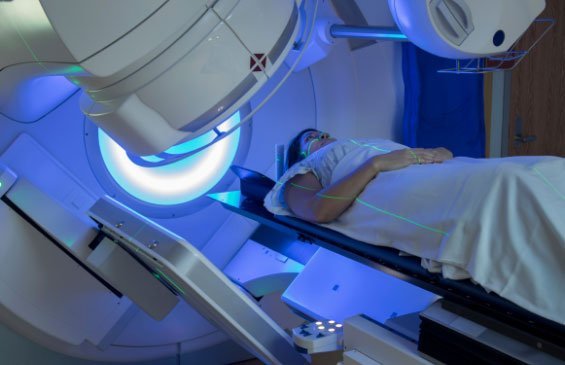
Radiation therapy, also called radiotherapy, is a cancer treatment that uses high-energy radiation to destroy cancer cells or slow their growth. It can be delivered from a machine outside the body or through radioactive material placed inside or near the tumor.
Radiation therapy may be used to:
- Treat cancer
- Shrink a tumor before surgery
- Destroy remaining cancer cells after surgery
- Control cancer growth
- Reduce the risk of cancer recurrence
- Relieve symptoms such as cancer-related pain
Radiation may be used alone or in combination with other cancer treatments.
Types of Radiation Therapy in India
1. 3D-Conformal Radiation Therapy (3D-CRT)
3D-CRT uses CT, MRI, or PET imaging to plan radiation beams according to the shape and location of the tumor. It allows radiation to be directed more precisely toward the cancer while limiting exposure to surrounding tissues.
2. Intensity-Modulated Radiation Therapy (IMRT)
IMRT uses multiple radiation beams with different intensities to deliver a carefully planned dose to the tumor. It can help reduce radiation exposure to nearby healthy tissues.
3. Image-Guided Radiation Therapy (IGRT)
IGRT uses imaging during treatment to help accurately position the patient and target the tumor. It may help radiation oncologists account for changes in tumor position and anatomy during treatment.
4. VMAT
Volumetric Modulated Arc Therapy (VMAT) delivers radiation while the treatment machine rotates around the patient. It can provide highly conformal radiation treatment in selected cancers.
5. Stereotactic Radiosurgery (SRS)
SRS uses highly focused radiation beams and is commonly used for selected small tumors of the brain and central nervous system. Despite the name, it does not involve a conventional surgical incision.
6. Stereotactic Body Radiation Therapy (SBRT)
SBRT delivers highly focused radiation to selected small tumors outside the brain and spinal cord, including certain lung and liver tumors. It is generally delivered in a smaller number of high-dose sessions than conventional radiation therapy.
7. Brachytherapy
Brachytherapy is an internal radiation treatment in which a radioactive source is placed inside or close to the tumor. It is commonly used for selected cancers, including cervical, prostate, breast, head and neck, and eye cancers.
8. Proton Therapy
Proton therapy uses proton beams instead of conventional photon beams. Protons have physical properties that can allow the radiation dose to be concentrated more selectively in certain situations. However, proton therapy requires specialized equipment and is generally more expensive.
Which Cancers Can Be Treated With Radiation Therapy?
Radiation therapy can be used for many types of cancer, depending on the patient's individual diagnosis and treatment plan.
It may be recommended for:
- Brain tumors
- Head and neck cancer
- Breast cancer
- Lung cancer
- Prostate cancer
- Stomach Cancer
- Cervical cancer
- Colon Cancer
- Uterine cancer
- Rectal cancer
- Esophageal cancer
- Liver cancer
- Pancreatic cancer
- Bone metastases
- Lymphoma
- Certain childhood cancers
- Bone Caner
- Bladder Cancer
The appropriate radiation technique depends on the cancer type, tumor size, location, stage, nearby organs, and the patient's overall health.
Factors Affecting Cancer Radiation Therapy Cost in India
Several factors determine the final cost:
1. Type and Stage of Cancer: Advanced cancers may require more complex treatment or a combination of therapies.
2. Radiation Technology: IMRT, IGRT, VMAT, SBRT, SRS, brachytherapy, and proton therapy have different costs.
3. Number of Radiation Sessions: Some patients require only a few sessions, while others may need treatment over several weeks.
4. Hospital and City: Treatment costs may vary between hospitals and cities such as Delhi, Mumbai, Chennai, Hyderabad, Bengaluru, and Gurugram.
5. Diagnostic Tests: PET-CT, CT scans, MRI, pathology, blood tests, and other investigations may be required.
6. Additional Cancer Treatment: Radiation may be combined with chemotherapy, surgery, immunotherapy, or targeted therapy.
Why Choose India for Cancer Radiation Therapy?
India is an attractive destination for international cancer patients because of:
- Experienced radiation oncologists
- Advanced radiation technology
- Modern cancer hospitals
- Multidisciplinary cancer care
- Affordable treatment compared with many countries
- International patient departments
- Diagnostic and rehabilitation services
- English-speaking medical professionals
Patients should select a hospital based on the cancer type, radiation technology available, oncologist expertise, treatment quality, and overall treatment plan—not cost alone.
Estimated Additional Expenses for International Patients
International patients should also consider:
- Medical consultation
- Diagnostic tests
- Hotel or serviced apartment
- Food
- Local transportation
- Attendant expenses
- Medical visa-related expenses
- Follow-up consultations
- Additional medicines
The total medical tourism budget therefore depends on both the hospital treatment package and the length of stay in India.
Best Hospitals for Cancer Radiation Therapy in India
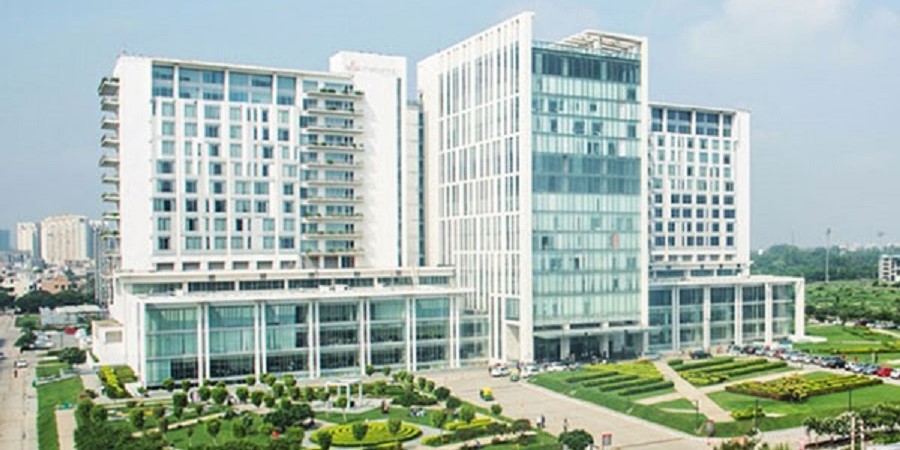
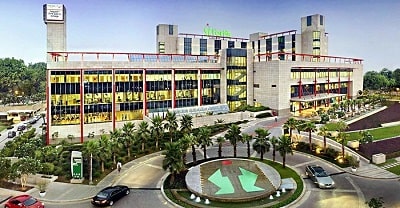
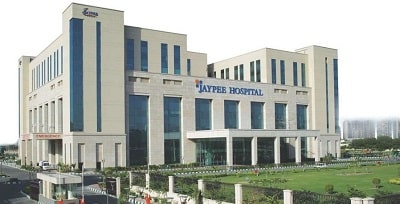
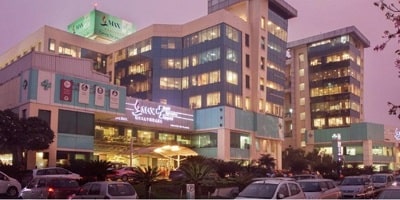
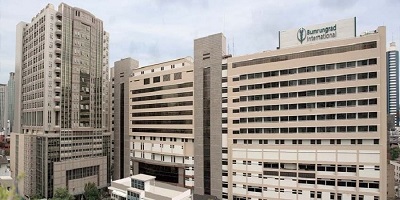
Some leading Indian cancer centers and hospitals known for oncology and radiation oncology services include:
- Tata Memorial Centre, Mumbai
- Apollo Hospitals
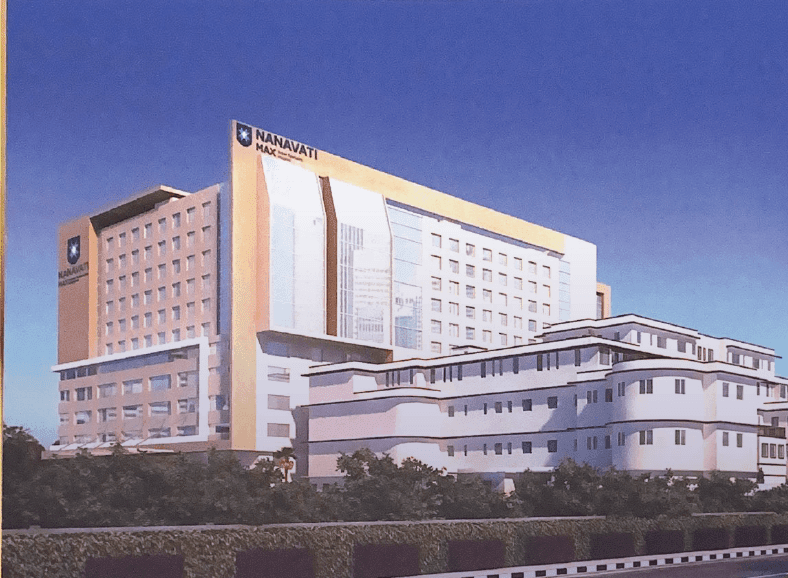
- Max Super Speciality Hospitals
- Medanta
- Fortis Memorial Research Institute
- BLK-Max Super Speciality Hospital
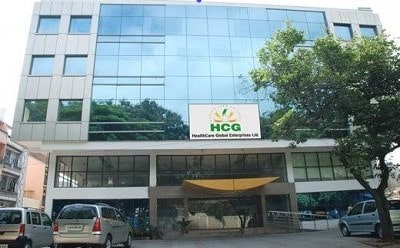
- HCG Cancer Centre
- Artemis Hospital
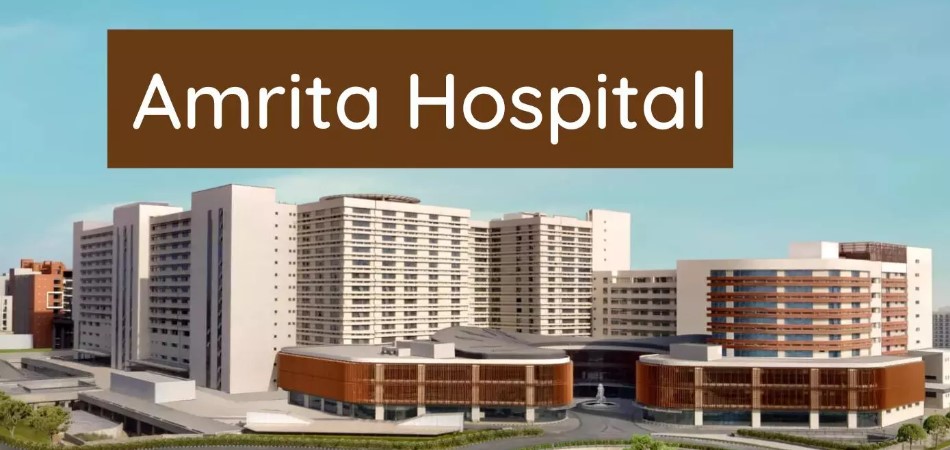
- Amrita Hospital
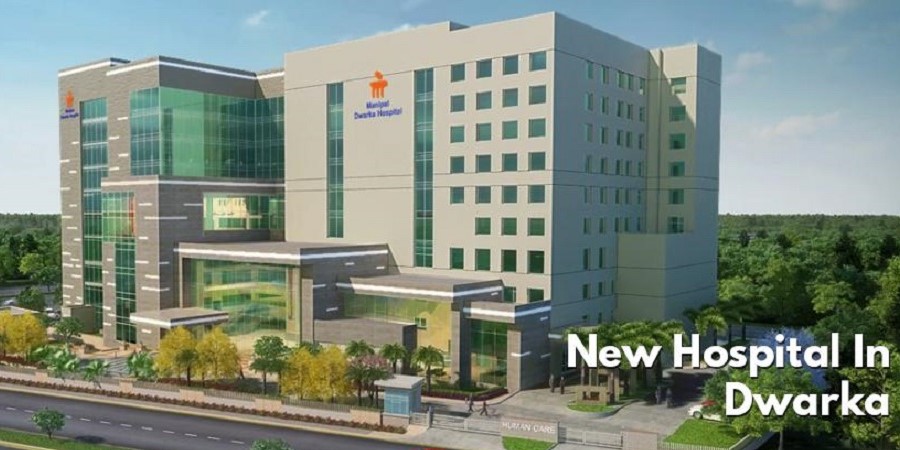
- Manipal Hospitals
The most appropriate hospital depends on the patient's cancer type, stage, required radiation technology, and overall treatment plan.
Why Choose Peace Medical Tourism?
Peace Medical Tourism helps international patients access cancer treatment in India by assisting with:
✅ Hospital selection
✅ Specialist consultation
✅ Medical opinion
✅ Treatment cost estimate
✅ Medical visa invitation support
✅ Airport pick-up and drop-off
✅ Hotel and accommodation assistance
✅ Interpreter support
✅ Local transportation assistance
✅ Follow-up coordination
Our team helps international patients understand their treatment options and connect with appropriate cancer specialists in India.
Symptoms That May Indicate the Need for Radiotherapy
Radiotherapy is not recommended based on symptoms alone. It is usually considered after confirming the type, stage, size, and location of cancer. A radiation oncologist determines whether radiation should be used to treat the cancer, reduce the risk of recurrence, or relieve cancer-related symptoms.
Common symptoms that may lead to an evaluation for radiotherapy include:
- Persistent or severe pain caused by a tumor or cancer that has spread to the bones
- Difficulty swallowing due to a tumor in the throat or esophagus
- Breathing difficulties caused by a tumor pressing on the airway or lungs
- Abnormal bleeding caused by a tumor
- Headaches, seizures, weakness, or other neurological symptoms caused by a brain or spinal tumor
- Spinal pain, weakness, numbness, or difficulty walking when cancer affects or compresses the spinal cord
- Urinary or bowel problems caused by a tumor pressing on nearby organs
- Tumor-related swelling or pressure
- Symptoms caused by cancer that has spread to other parts of the body
When Should You See a Cancer Specialist?
You should consult an oncologist if you experience persistent or unexplained symptoms such as:
- Unexplained weight loss
- Persistent fatigue
- A growing lump or swelling
- Unexplained bleeding
- A persistent cough or breathing difficulty
- Long-lasting pain
- Changes in bowel or bladder habits
- Difficulty swallowing
- Persistent headaches or neurological changes
If cancer has already been diagnosed, your oncologist may recommend radiotherapy before surgery, after surgery, together with other treatments, or to control symptoms, depending on your individual treatment plan.
Important: Having these symptoms does not mean that radiotherapy is required. A biopsy, imaging studies, and other investigations are generally needed before deciding on the most appropriate cancer treatment.
Side Effects of Radiation Therapy
Side effects depend on the part of the body being treated, radiation dose, treatment technique, and the patient's overall health.
Possible side effects include:
- Fatigue
- Skin irritation
- Redness or dryness of the treated skin
- Hair loss in the treated area
- Nausea
- Loss of appetite
- Mouth sores
- Difficulty swallowing
- Diarrhea
- Urinary problems
- Changes in bowel habits
Not every patient experiences the same side effects. Radiation can also affect healthy cells near the treatment area, which is one reason treatment planning focuses on limiting unnecessary radiation exposure.
Preparation for Radiation Therapy
Before starting radiation therapy, the radiation oncology team generally performs a detailed evaluation.
Preparation may include:
- Medical history and physical examination
- Pathology and biopsy reports
- CT, MRI, or PET-CT scans
- Blood tests
- Radiation treatment planning
- Assessment of nearby organs
- Nutritional evaluation
- Dental assessment for selected head and neck cancers
A planning or simulation session may be performed before the first treatment.
Radiation Therapy Procedure
The treatment process generally includes the following steps:
Step 1: Consultation
A radiation oncologist reviews the patient's medical records, pathology, imaging, and previous treatment.
Step 2: Treatment Planning
The radiation team determines the target area and the appropriate radiation dose while attempting to protect nearby healthy organs.
Step 3: Simulation
The patient is positioned in the same way that will be used during treatment. Imaging may be performed to create the treatment plan.
Step 4: Radiation Treatment
The patient lies on a treatment table while the radiation machine delivers radiation to the planned area. External-beam radiation does not usually require an incision.
Step 5: Monitoring
The oncology team monitors the patient's response and manages any side effects throughout the treatment course.
The number of sessions varies according to the cancer and treatment objective. Conventional external-beam treatment is often given once a day on weekdays, but schedules differ considerably by cancer and technique.
Post-Treatment Care
After radiation therapy, patients may require regular follow-up with their cancer team.
Post-treatment care may include:
- Regular oncology consultations
- Blood tests and imaging when required
- Managing treatment-related side effects
- Maintaining adequate nutrition and hydration
- Following skin-care instructions
- Adequate rest and physical activity as tolerated
- Continuing other prescribed cancer treatments
- Regular cancer surveillance
Some side effects improve within weeks after treatment, while others can take longer. The recovery period varies depending on the treatment area and individual patient.
Success Rate of Radiation Therapy
There is no single success rate for radiation therapy because outcomes vary significantly between cancers and individual patients.
The outcome depends on:
- Type of cancer
- Stage of cancer
- Tumor size and location
- Whether cancer has spread
- Radiation dose and technique
- Response to treatment
- Whether radiation is combined with surgery or systemic therapy
- Overall health of the patient
Radiation therapy can be used with the goal of curing certain cancers, controlling disease, preventing recurrence, or relieving symptoms.
Frequently Asked Questions About Cancer Radiation Therapy in India
1. What is the cost of cancer radiation therapy in India?
The approximate cost can range from ₹70,000 to ₹20,00,000 or more, depending on the radiation technique, cancer type, number of sessions, hospital, and treatment plan.
2. Is radiation therapy painful?
External-beam radiation treatment itself is generally painless. However, some patients may develop side effects during or after a course of treatment depending on the body area being treated.
3. How many radiation sessions are required?
The number of sessions varies. Some stereotactic treatments may require only a few sessions, while conventional radiation may be given over several weeks.
4. Is radiation therapy used before or after surgery?
It can be used before surgery, after surgery, or in combination with other treatments depending on the type and stage of cancer.
5. What is the difference between IMRT and conventional radiation?
IMRT uses multiple radiation beams with varying intensities and computer-based planning to more precisely shape the radiation dose around the tumor.
6. What is IGRT?
Image-guided radiation therapy uses imaging during radiation treatment to improve the accuracy of tumor targeting and patient positioning.
7. Is proton therapy better than conventional radiation?
Proton therapy can reduce radiation exposure to some normal tissues in selected situations, but whether it provides a meaningful advantage depends on the cancer and treatment plan. It is also more expensive and requires specialized equipment.
8. Can international patients receive radiation therapy in India?
Yes. International patients can seek treatment at Indian cancer hospitals with international patient departments and medical tourism support.
9. How long does radiation therapy take?
Individual radiation sessions are generally relatively short, but the overall treatment course may last from several days to several weeks depending on the technique and cancer.
10. Can radiation therapy cure cancer?
Radiation therapy can be part of curative treatment for some cancers. In other situations, it is used to control cancer or relieve symptoms. The expected outcome depends on the individual diagnosis and treatment plan.
11. What should I bring for a medical consultation in India?
International patients should bring:
- Biopsy/pathology reports
- Previous treatment records
- CT/MRI/PET-CT scans
- Blood test reports
- Medication list
- Previous surgery records
- Discharge summaries
12. How can Peace Medical Tourism help me?
Peace Medical Tourism can assist with hospital selection, specialist consultation, cost estimation, medical visa support, airport transfer, accommodation, and coordination throughout your treatment journey.
Get a Cancer Treatment Cost Estimate in India
If you are looking for Cancer Radiation Therapy in India, send your medical reports and previous treatment records for review by an appropriate specialist.
📱 WhatsApp: +91 9582708782
📧 Email: treatmentquery@gmail.com
Peace Medical Tourism – Helping International Patients Access Advanced Cancer Treatment in India.
Medical information on this page is for general educational purposes. Radiation therapy must be recommended and planned by a qualified radiation oncologist after reviewing the patient's diagnosis and medical records.
Top Doctors
Sorry, There is nothing to show!Come back soon.
Top Hospitals







CANCER RADIATION THERAPY COST IN INDIA
Duration of Treatment
Depends on Cancer
Days of Stay
30 DAYS
Anesthesia
NO NEED
Cost
2000 to 15000 USD
Cancer Radiation Therapy Cost in India
Are you looking for the best Cancer Radiation Therapy in India at an affordable cost? India is a preferred destination for international cancer patients because of its experienced radiation oncologists, advanced cancer hospitals, modern radiation technology, and comparatively affordable treatment costs.
The Cancer Radiation Therapy Cost in India generally depends on the type of cancer, stage of disease, location and size of the tumor, radiation technique, number of treatment sessions, hospital, and whether radiation is combined with surgery, chemotherapy, targeted therapy, or immunotherapy. Radiation therapy uses high-energy radiation to damage the DNA of cancer cells, helping to kill them or slow their growth.
Peace Medical Tourism can assist with hospital selection, specialist consultation, cost estimation, medical visa support, airport transfer, accommodation, and coordination throughout your treatment journey.
Get a Cancer Treatment Cost Estimate in India
If you are looking for Cancer Radiation Therapy in India, send your medical reports and previous treatment records for review by an appropriate specialist.
📱 WhatsApp: +91 9582708782
📧 Email: treatmentquery@gmail.com
Cancer Radiation Therapy Cost in India
The approximate cost of radiation therapy in India ranges from 2000 to 15000 USD or more, depending on the treatment technology and individual treatment plan.
| Type of Radiation Therapy | Approximate Cost in India |
|---|---|
| Conventional Radiotherapy | 2000 to 3000 USD |
| 3D-CRT | 2500 to 3500 USD |
| IMRT | 3000 to 4000 USD |
| IGRT | 5000 to 6000 USD |
| VMAT | 5000 to 6000 USD |
| SBRT | 5000 to 6500 USD |
| SRS / Stereotactic Radiosurgery | 6000 to 7500 USD |
| Proton Therapy | 12000 to 15000 USD |
Note: These are indicative ranges. The final quotation is provided after reviewing the patient's diagnosis, scans, pathology reports, treatment plan, and required number of sessions.
What is Cancer Radiation Therapy?
Radiation therapy, also called radiotherapy, is a cancer treatment that uses high-energy radiation to destroy cancer cells or slow their growth. It can be delivered from a machine outside the body or through radioactive material placed inside or near the tumor.
Radiation therapy may be used to:
- Treat cancer
- Shrink a tumor before surgery
- Destroy remaining cancer cells after surgery
- Control cancer growth
- Reduce the risk of cancer recurrence
- Relieve symptoms such as cancer-related pain
Radiation may be used alone or in combination with other cancer treatments.
Types of Radiation Therapy in India
1. 3D-Conformal Radiation Therapy (3D-CRT)
3D-CRT uses CT, MRI, or PET imaging to plan radiation beams according to the shape and location of the tumor. It allows radiation to be directed more precisely toward the cancer while limiting exposure to surrounding tissues.
2. Intensity-Modulated Radiation Therapy (IMRT)
IMRT uses multiple radiation beams with different intensities to deliver a carefully planned dose to the tumor. It can help reduce radiation exposure to nearby healthy tissues.
3. Image-Guided Radiation Therapy (IGRT)
IGRT uses imaging during treatment to help accurately position the patient and target the tumor. It may help radiation oncologists account for changes in tumor position and anatomy during treatment.
4. VMAT
Volumetric Modulated Arc Therapy (VMAT) delivers radiation while the treatment machine rotates around the patient. It can provide highly conformal radiation treatment in selected cancers.
5. Stereotactic Radiosurgery (SRS)
SRS uses highly focused radiation beams and is commonly used for selected small tumors of the brain and central nervous system. Despite the name, it does not involve a conventional surgical incision.
6. Stereotactic Body Radiation Therapy (SBRT)
SBRT delivers highly focused radiation to selected small tumors outside the brain and spinal cord, including certain lung and liver tumors. It is generally delivered in a smaller number of high-dose sessions than conventional radiation therapy.
7. Brachytherapy
Brachytherapy is an internal radiation treatment in which a radioactive source is placed inside or close to the tumor. It is commonly used for selected cancers, including cervical, prostate, breast, head and neck, and eye cancers.
8. Proton Therapy
Proton therapy uses proton beams instead of conventional photon beams. Protons have physical properties that can allow the radiation dose to be concentrated more selectively in certain situations. However, proton therapy requires specialized equipment and is generally more expensive.
Which Cancers Can Be Treated With Radiation Therapy?
Radiation therapy can be used for many types of cancer, depending on the patient's individual diagnosis and treatment plan.
It may be recommended for:
- Brain tumors
- Head and neck cancer
- Breast cancer
- Lung cancer
- Prostate cancer
- Stomach Cancer
- Cervical cancer
- Colon Cancer
- Uterine cancer
- Rectal cancer
- Esophageal cancer
- Liver cancer
- Pancreatic cancer
- Bone metastases
- Lymphoma
- Certain childhood cancers
- Bone Caner
- Bladder Cancer
The appropriate radiation technique depends on the cancer type, tumor size, location, stage, nearby organs, and the patient's overall health.
Factors Affecting Cancer Radiation Therapy Cost in India
Several factors determine the final cost:
1. Type and Stage of Cancer: Advanced cancers may require more complex treatment or a combination of therapies.
2. Radiation Technology: IMRT, IGRT, VMAT, SBRT, SRS, brachytherapy, and proton therapy have different costs.
3. Number of Radiation Sessions: Some patients require only a few sessions, while others may need treatment over several weeks.
4. Hospital and City: Treatment costs may vary between hospitals and cities such as Delhi, Mumbai, Chennai, Hyderabad, Bengaluru, and Gurugram.
5. Diagnostic Tests: PET-CT, CT scans, MRI, pathology, blood tests, and other investigations may be required.
6. Additional Cancer Treatment: Radiation may be combined with chemotherapy, surgery, immunotherapy, or targeted therapy.
Why Choose India for Cancer Radiation Therapy?
India is an attractive destination for international cancer patients because of:
- Experienced radiation oncologists
- Advanced radiation technology
- Modern cancer hospitals
- Multidisciplinary cancer care
- Affordable treatment compared with many countries
- International patient departments
- Diagnostic and rehabilitation services
- English-speaking medical professionals
Patients should select a hospital based on the cancer type, radiation technology available, oncologist expertise, treatment quality, and overall treatment plan—not cost alone.
Estimated Additional Expenses for International Patients
International patients should also consider:
- Medical consultation
- Diagnostic tests
- Hotel or serviced apartment
- Food
- Local transportation
- Attendant expenses
- Medical visa-related expenses
- Follow-up consultations
- Additional medicines
The total medical tourism budget therefore depends on both the hospital treatment package and the length of stay in India.
Best Hospitals for Cancer Radiation Therapy in India
Some leading Indian cancer centers and hospitals known for oncology and radiation oncology services include:
- Tata Memorial Centre, Mumbai
- Apollo Hospitals
- Max Super Speciality Hospitals
- Medanta
- Fortis Memorial Research Institute
- BLK-Max Super Speciality Hospital
- HCG Cancer Centre
- Artemis Hospital
- Amrita Hospital
- Manipal Hospitals
The most appropriate hospital depends on the patient's cancer type, stage, required radiation technology, and overall treatment plan.
Why Choose Peace Medical Tourism?
Peace Medical Tourism helps international patients access cancer treatment in India by assisting with:
✅ Hospital selection
✅ Specialist consultation
✅ Medical opinion
✅ Treatment cost estimate
✅ Medical visa invitation support
✅ Airport pick-up and drop-off
✅ Hotel and accommodation assistance
✅ Interpreter support
✅ Local transportation assistance
✅ Follow-up coordination
Our team helps international patients understand their treatment options and connect with appropriate cancer specialists in India.
symptoms
Symptoms That May Indicate the Need for Radiotherapy
Radiotherapy is not recommended based on symptoms alone. It is usually considered after confirming the type, stage, size, and location of cancer. A radiation oncologist determines whether radiation should be used to treat the cancer, reduce the risk of recurrence, or relieve cancer-related symptoms.
Common symptoms that may lead to an evaluation for radiotherapy include:
- Persistent or severe pain caused by a tumor or cancer that has spread to the bones
- Difficulty swallowing due to a tumor in the throat or esophagus
- Breathing difficulties caused by a tumor pressing on the airway or lungs
- Abnormal bleeding caused by a tumor
- Headaches, seizures, weakness, or other neurological symptoms caused by a brain or spinal tumor
- Spinal pain, weakness, numbness, or difficulty walking when cancer affects or compresses the spinal cord
- Urinary or bowel problems caused by a tumor pressing on nearby organs
- Tumor-related swelling or pressure
- Symptoms caused by cancer that has spread to other parts of the body
When Should You See a Cancer Specialist?
You should consult an oncologist if you experience persistent or unexplained symptoms such as:
- Unexplained weight loss
- Persistent fatigue
- A growing lump or swelling
- Unexplained bleeding
- A persistent cough or breathing difficulty
- Long-lasting pain
- Changes in bowel or bladder habits
- Difficulty swallowing
- Persistent headaches or neurological changes
If cancer has already been diagnosed, your oncologist may recommend radiotherapy before surgery, after surgery, together with other treatments, or to control symptoms, depending on your individual treatment plan.
Important: Having these symptoms does not mean that radiotherapy is required. A biopsy, imaging studies, and other investigations are generally needed before deciding on the most appropriate cancer treatment.
risk factors
Side Effects of Radiation Therapy
Side effects depend on the part of the body being treated, radiation dose, treatment technique, and the patient's overall health.
Possible side effects include:
- Fatigue
- Skin irritation
- Redness or dryness of the treated skin
- Hair loss in the treated area
- Nausea
- Loss of appetite
- Mouth sores
- Difficulty swallowing
- Diarrhea
- Urinary problems
- Changes in bowel habits
Not every patient experiences the same side effects. Radiation can also affect healthy cells near the treatment area, which is one reason treatment planning focuses on limiting unnecessary radiation exposure.
preparation
Preparation for Radiation Therapy
Before starting radiation therapy, the radiation oncology team generally performs a detailed evaluation.
Preparation may include:
- Medical history and physical examination
- Pathology and biopsy reports
- CT, MRI, or PET-CT scans
- Blood tests
- Radiation treatment planning
- Assessment of nearby organs
- Nutritional evaluation
- Dental assessment for selected head and neck cancers
A planning or simulation session may be performed before the first treatment.
procedure
Radiation Therapy Procedure
The treatment process generally includes the following steps:
Step 1: Consultation
A radiation oncologist reviews the patient's medical records, pathology, imaging, and previous treatment.
Step 2: Treatment Planning
The radiation team determines the target area and the appropriate radiation dose while attempting to protect nearby healthy organs.
Step 3: Simulation
The patient is positioned in the same way that will be used during treatment. Imaging may be performed to create the treatment plan.
Step 4: Radiation Treatment
The patient lies on a treatment table while the radiation machine delivers radiation to the planned area. External-beam radiation does not usually require an incision.
Step 5: Monitoring
The oncology team monitors the patient's response and manages any side effects throughout the treatment course.
The number of sessions varies according to the cancer and treatment objective. Conventional external-beam treatment is often given once a day on weekdays, but schedules differ considerably by cancer and technique.
post procedure
Post-Treatment Care
After radiation therapy, patients may require regular follow-up with their cancer team.
Post-treatment care may include:
- Regular oncology consultations
- Blood tests and imaging when required
- Managing treatment-related side effects
- Maintaining adequate nutrition and hydration
- Following skin-care instructions
- Adequate rest and physical activity as tolerated
- Continuing other prescribed cancer treatments
- Regular cancer surveillance
Some side effects improve within weeks after treatment, while others can take longer. The recovery period varies depending on the treatment area and individual patient.
success rate
Success Rate of Radiation Therapy
There is no single success rate for radiation therapy because outcomes vary significantly between cancers and individual patients.
The outcome depends on:
- Type of cancer
- Stage of cancer
- Tumor size and location
- Whether cancer has spread
- Radiation dose and technique
- Response to treatment
- Whether radiation is combined with surgery or systemic therapy
- Overall health of the patient
Radiation therapy can be used with the goal of curing certain cancers, controlling disease, preventing recurrence, or relieving symptoms.
faqs from doctor
Frequently Asked Questions About Cancer Radiation Therapy in India
1. What is the cost of cancer radiation therapy in India?
The approximate cost can range from ₹70,000 to ₹20,00,000 or more, depending on the radiation technique, cancer type, number of sessions, hospital, and treatment plan.
2. Is radiation therapy painful?
External-beam radiation treatment itself is generally painless. However, some patients may develop side effects during or after a course of treatment depending on the body area being treated.
3. How many radiation sessions are required?
The number of sessions varies. Some stereotactic treatments may require only a few sessions, while conventional radiation may be given over several weeks.
4. Is radiation therapy used before or after surgery?
It can be used before surgery, after surgery, or in combination with other treatments depending on the type and stage of cancer.
5. What is the difference between IMRT and conventional radiation?
IMRT uses multiple radiation beams with varying intensities and computer-based planning to more precisely shape the radiation dose around the tumor.
6. What is IGRT?
Image-guided radiation therapy uses imaging during radiation treatment to improve the accuracy of tumor targeting and patient positioning.
7. Is proton therapy better than conventional radiation?
Proton therapy can reduce radiation exposure to some normal tissues in selected situations, but whether it provides a meaningful advantage depends on the cancer and treatment plan. It is also more expensive and requires specialized equipment.
8. Can international patients receive radiation therapy in India?
Yes. International patients can seek treatment at Indian cancer hospitals with international patient departments and medical tourism support.
9. How long does radiation therapy take?
Individual radiation sessions are generally relatively short, but the overall treatment course may last from several days to several weeks depending on the technique and cancer.
10. Can radiation therapy cure cancer?
Radiation therapy can be part of curative treatment for some cancers. In other situations, it is used to control cancer or relieve symptoms. The expected outcome depends on the individual diagnosis and treatment plan.
11. What should I bring for a medical consultation in India?
International patients should bring:
- Biopsy/pathology reports
- Previous treatment records
- CT/MRI/PET-CT scans
- Blood test reports
- Medication list
- Previous surgery records
- Discharge summaries
12. How can Peace Medical Tourism help me?
Peace Medical Tourism can assist with hospital selection, specialist consultation, cost estimation, medical visa support, airport transfer, accommodation, and coordination throughout your treatment journey.
Get a Cancer Treatment Cost Estimate in India
If you are looking for Cancer Radiation Therapy in India, send your medical reports and previous treatment records for review by an appropriate specialist.
📱 WhatsApp: +91 9582708782
📧 Email: treatmentquery@gmail.com
Peace Medical Tourism – Helping International Patients Access Advanced Cancer Treatment in India.
Medical information on this page is for general educational purposes. Radiation therapy must be recommended and planned by a qualified radiation oncologist after reviewing the patient's diagnosis and medical records.
Top Doctors
Sorry, There is nothing to show!Come back soon.