Duration of Treatment
3 TO 5 HOURS
Days of Stay
3 TO 5 DAYS IN HOSPITAL AND 20 DAYS IN INDIA
Anesthesia
GENERAL ANESTHESIA
Cost
6000 TO 13000 USD
What is the Cost of Radiofrequency Cardiac Ablation (RFA) in India?
India is one of the leading destinations for Radiofrequency Cardiac Ablation (RFA) Cost In India, offering advanced electrophysiology procedures at internationally accredited hospitals with experienced cardiac electrophysiologists. Patients from around the world choose India because of its high success rates, modern technology, and affordable treatment costs.
Book Your Consultation Today
📱 WhatsApp: +91 9582708782
📧 Email: treatmentquery@gmail.com
🌐 Website: Best Cardiac Surgery in India
Get advanced Radiofrequency Cardiac Ablation (RFA) treatment in India at an affordable cost with internationally recognized heart specialists.
Radiofrequency Cardiac Ablation Cost in India
| Procedure | Cost in USD |
|---|---|
| Radiofrequency Ablation (RFA) Cost in India | USD 6,000 – USD 7,000 |
| RFA with Contact Force Catheter Cost In India | USD 8,500 – USD 9,000 |
| Pulse Field Ablation (PFA) Cost In India | USD 12,500 – USD 13,000 |
Note: The above costs are approximate and may vary depending on the patient's medical condition, hospital, electrophysiologist's expertise, room category, investigations, and length of hospital stay.
What is Included in the Treatment Cost?
The treatment package generally includes:
- Cardiologist and Electrophysiologist consultation
- Pre-procedure investigations (ECG, Echocardiography, Blood Tests, etc.)
- Electrophysiology (EP) Study
- Radiofrequency Cardiac Ablation Procedure
- Hospital stay
- Operation theatre and catheterization laboratory charges
- Standard medications during hospitalization
- Nursing and routine medical care
- Post-procedure evaluation before discharge
Additional Expenses
International patients should also budget for:
- Hotel accommodation after discharge
- Meals and local transportation
- Visa and airfare
- Personal expenses
- Extended stay, if recommended by the treating doctor
Why Choose India for Radiofrequency Cardiac Ablation?
- Experienced Cardiac Electrophysiologists
- State-of-the-art EP laboratories
- Latest technologies including Contact Force Ablation and Pulse Field Ablation (PFA)
- Internationally accredited hospitals
- High success rates for treating cardiac arrhythmias
- Significantly lower treatment costs compared to the USA, UK, Europe, and the Middle East
- Comprehensive support for international patients, including visa assistance, airport pickup, accommodation, and interpreter services.
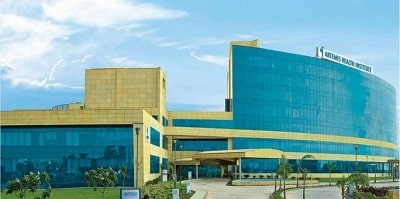
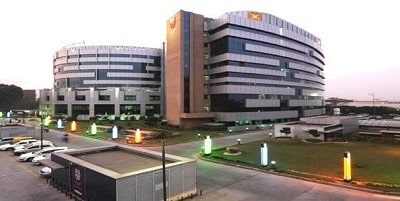
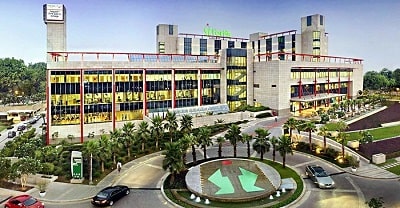
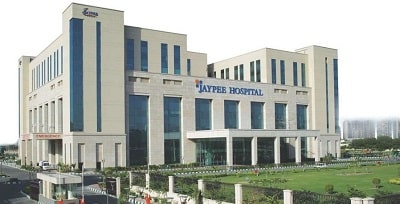
Top Hospitals for Cardiac Ablation in India
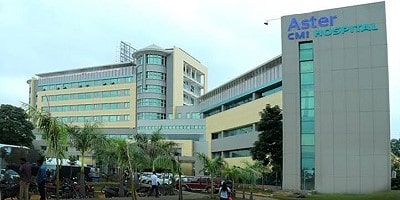
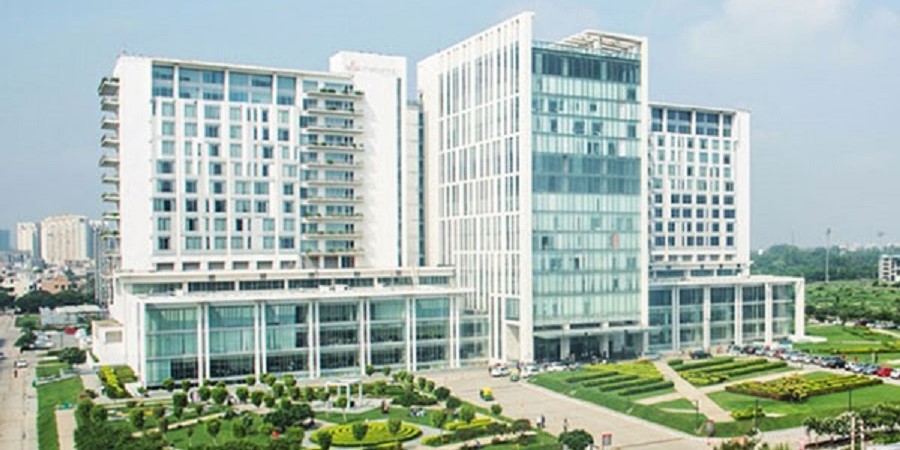
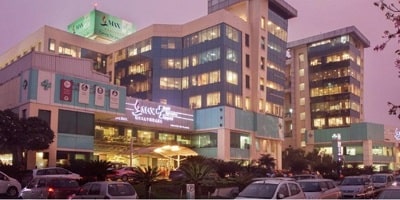
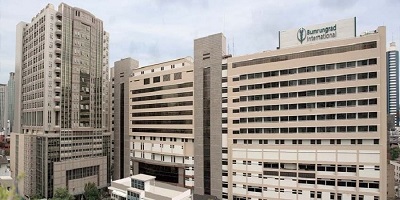
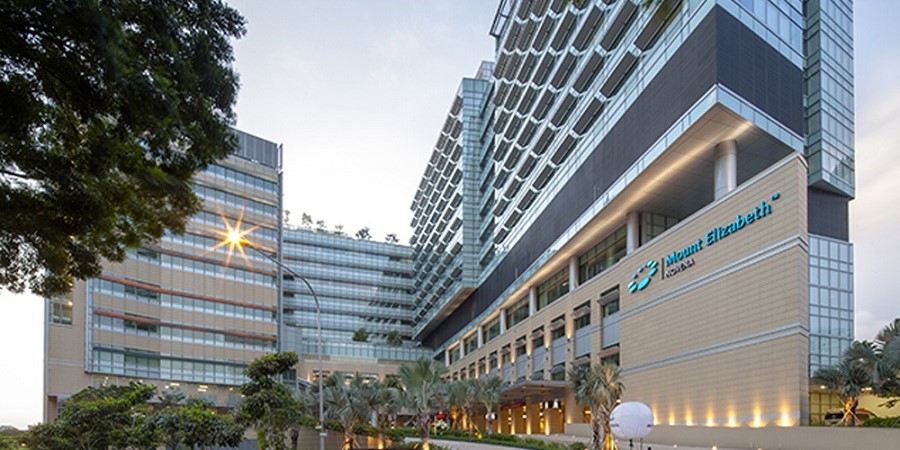
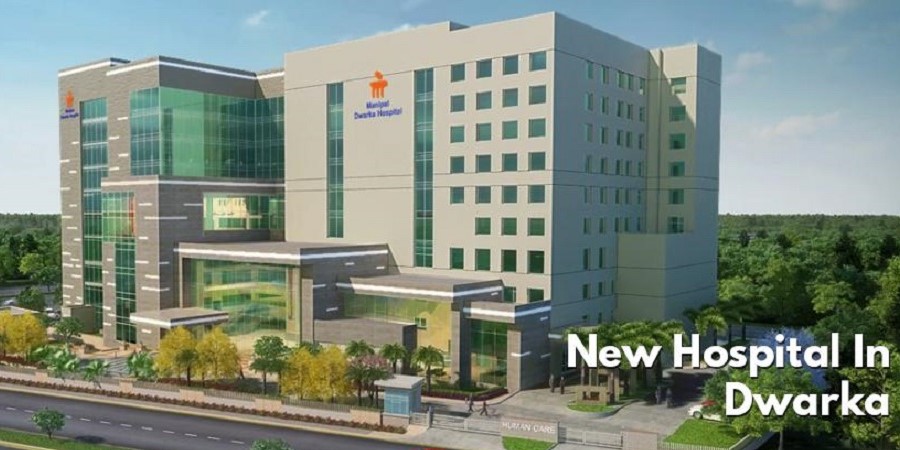
- Medanta – The Medicity, Gurugram
- Fortis Escorts Heart Institute, New Delhi
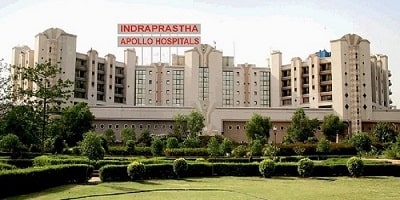
- Indraprastha Apollo Hospital, New Delhi
- Max Super Speciality Hospital, Saket
- BLK-Max Super Speciality Hospital, New Delhi
- Narayana Health, Bengaluru
- Kokilaben Dhirubhai Ambani Hospital, Mumbai
Why Choose Peace Medical Tourism?
At Peace Medical Tourism, we help international patients receive world-class cardiac treatment in India by offering:
- Free medical opinion from leading cardiac specialists
- Selection of the best hospital and doctor
- Affordable treatment packages
- Free Visa Invitation Letter
- Free Airport Pick-up & Drop-off
- Hotel and accommodation assistance
- Dedicated patient coordinator throughout your treatment journey
- Complete support until you return home safely
What is Radiofrequency Cardiac Ablation (RFA)?
Radiofrequency Cardiac Ablation (RFA) is a minimally invasive, catheter-based procedure used to treat abnormal heart rhythms (cardiac arrhythmias) such as atrial fibrillation (AF), atrial flutter, supraventricular tachycardia (SVT), Wolff-Parkinson-White (WPW) syndrome, and certain types of ventricular tachycardia (VT).
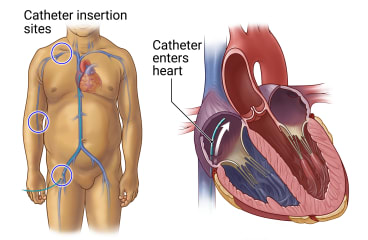
During the procedure, a cardiac electrophysiologist inserts thin, flexible catheters through a vein in the groin (or sometimes the neck). These catheters are guided to the heart using advanced imaging technology. Once the abnormal electrical pathway is identified through an Electrophysiology (EP) Study, controlled radiofrequency energy (heat) is delivered to create tiny scars that block the faulty electrical signals causing the irregular heartbeat.
Radiofrequency Cardiac Ablation is considered one of the most effective long-term treatments for many heart rhythm disorders and often reduces or eliminates the need for lifelong anti-arrhythmic medications.
Types of Cardiac Ablation Procedures
1. Radiofrequency Ablation (RFA)
Radiofrequency Ablation is the most commonly performed cardiac ablation procedure. It uses high-frequency radio waves to generate heat (approximately 50–60°C) that destroys the abnormal heart tissue responsible for irregular electrical signals.
Best for treating:
- Supraventricular Tachycardia (SVT)
- Atrial Flutter
- Wolff-Parkinson-White (WPW) Syndrome
- Certain types of Ventricular Tachycardia (VT)
- Selected cases of Atrial Fibrillation (AF)
Advantages:
- Proven and highly effective
- High long-term success rates
- Minimally invasive
- Short recovery time
2. Radiofrequency Ablation with Contact Force Catheter
This is an advanced version of standard RFA that uses a Contact Force Sensing Catheter. The catheter measures the amount of pressure applied to the heart tissue, allowing the electrophysiologist to create more accurate and effective lesions.
Benefits include:
- Greater precision during ablation
- Improved long-term success rates
- Reduced risk of incomplete ablation
- Lower chance of repeat procedures
- Better outcomes for complex arrhythmias, especially Atrial Fibrillation
This technology is widely used in leading cardiac centers around the world.
3. Pulse Field Ablation (PFA)
Pulse Field Ablation (PFA) is the latest advancement in cardiac ablation technology. Instead of using heat or extreme cold, it uses high-voltage electrical pulses to destroy abnormal heart cells through a process called irreversible electroporation.
Unlike traditional ablation methods, PFA selectively targets heart muscle cells while minimizing damage to nearby structures such as the esophagus, nerves, and blood vessels.
Best for treating:
- Atrial Fibrillation (AF)
Advantages:
- Faster procedure
- Excellent safety profile
- Minimal damage to surrounding tissues
- Reduced risk of complications
- Shorter recovery time
- Increasingly adopted at advanced heart centers worldwide
Comparison of Cardiac Ablation Procedures
| Procedure | Technology Used | Best For | Advantages |
|---|---|---|---|
| Radiofrequency Ablation (RFA) | Heat Energy (Radiofrequency) | SVT, Atrial Flutter, WPW, VT, AF | Proven technique, high success rates, minimally invasive |
| RFA with Contact Force Catheter | Heat + Contact Force Technology | Complex AF, SVT, VT | Greater precision, improved outcomes, fewer repeat procedures |
| Pulse Field Ablation (PFA) | High-Voltage Electrical Pulses | Primarily Atrial Fibrillation | Safer for surrounding tissues, faster recovery, lower complication risk |
Who May Need Cardiac Ablation?
Your cardiologist may recommend cardiac ablation if you have:
- Atrial Fibrillation (AF)
- Atrial Flutter
- Supraventricular Tachycardia (SVT)
- Wolff-Parkinson-White (WPW) Syndrome
- Ventricular Tachycardia (VT)
- Frequent premature heartbeats (PVCs)
- Arrhythmias that do not respond to medications or cause significant symptoms
Who May Need Cardiac Ablation?
Your cardiologist may recommend cardiac ablation if you have:
- Atrial Fibrillation (AF)
- Atrial Flutter
- Supraventricular Tachycardia (SVT)
- Wolff-Parkinson-White (WPW) Syndrome
- Ventricular Tachycardia (VT)
- Frequent premature heartbeats (PVCs)
- Arrhythmias that do not respond to medications or cause significant symptoms
Risk Factors for Cardiac Arrhythmias Requiring Radiofrequency Cardiac Ablation (RFA)
Several factors can increase the risk of developing abnormal heart rhythms (arrhythmias) that may require Radiofrequency Cardiac Ablation (RFA):
- High blood pressure (Hypertension)
- Coronary artery disease (CAD)
- Previous heart attack
- Heart valve disease
- Congenital heart defects
- Heart failure or weakened heart muscle
- Cardiomyopathy
- Family history of arrhythmias or sudden cardiac death
- Chronic lung diseases (COPD, pulmonary fibrosis)
- Excessive alcohol consumption
- High caffeine or energy drink intake
- Use of recreational drugs (such as cocaine or amphetamines)
- Electrolyte imbalance (low potassium, magnesium, or calcium)
- Certain medications that affect heart rhythm
- Viral infections affecting the heart (Myocarditis)
- Inflammation of the heart (Pericarditis)
- Poorly controlled cholesterol levels
- Sedentary lifestyle and lack of regular exercise
Preparation for Radiofrequency Cardiac Ablation (RFA)
Proper preparation before Radiofrequency Cardiac Ablation (RFA) helps ensure a safe procedure and improves treatment outcomes. Your cardiologist or cardiac electrophysiologist will provide detailed instructions based on your medical condition.
How to Prepare for Radiofrequency Cardiac Ablation
- Schedule a consultation with a cardiac electrophysiologist.
- Undergo a complete physical examination and medical assessment.
- Inform your doctor about all medications, vitamins, and herbal supplements you are taking.
- Discuss any allergies to medications, contrast dye, iodine, or anesthesia.
- Tell your doctor if you have diabetes, kidney disease, or any bleeding disorders.
- Stop certain blood-thinning medications or anti-arrhythmic drugs only as advised by your doctor.
- Quit smoking and avoid alcohol for several days before the procedure.
- Avoid caffeine and energy drinks for 24–48 hours before the procedure.
- Do not eat or drink anything for 6–8 hours before the procedure unless instructed otherwise.
- Arrange for a family member or caregiver to accompany you to the hospital and drive you home after discharge.
- Wear loose, comfortable clothing on the day of the procedure.
- Remove all jewelry, contact lenses, nail polish, and makeup before the procedure.
- Bring all previous medical records, ECGs, echocardiograms, Holter monitor reports, and medication lists.
Tests Before Radiofrequency Cardiac Ablation
Your doctor may recommend the following tests before the procedure:
- Electrocardiogram (ECG)
- Echocardiography (2D Echo)
- Holter Monitor or Event Recorder
- Blood Tests
- Chest X-ray
- Cardiac CT Scan or Cardiac MRI (if required)
- Electrophysiology (EP) Study
- Coagulation Profile
- Kidney and Liver Function Tests
Procedure of Radiofrequency Cardiac Ablation (RFA)
Radiofrequency Cardiac Ablation (RFA) is a minimally invasive procedure performed by a cardiac electrophysiologist to treat abnormal heart rhythms (arrhythmias). The procedure uses radiofrequency (heat) energy to destroy small areas of heart tissue responsible for irregular electrical signals, helping restore a normal heart rhythm.
Step-by-Step Procedure of Radiofrequency Cardiac Ablation
1. Patient Preparation
- The patient is admitted to the cardiac catheterization laboratory (Cath Lab) or Electrophysiology (EP) Lab.
- An intravenous (IV) line is inserted to administer medications and fluids.
- Continuous monitoring of heart rate, blood pressure, and oxygen levels is started.
- Local anesthesia is given at the catheter insertion site, usually in the groin. Mild sedation or general anesthesia may be used depending on the patient's condition and the complexity of the procedure.
2. Catheter Insertion
- A small incision is made in the groin (sometimes the neck or arm).
- Thin, flexible catheters are inserted into a vein and guided to the heart using X-ray (fluoroscopy) and advanced 3D mapping systems.
- No large surgical incision is required.
3. Electrophysiology (EP) Study
- Once the catheters reach the heart, an Electrophysiology (EP) Study is performed.
- The doctor maps the heart's electrical activity to identify the exact location causing the abnormal heart rhythm.
- This step ensures that only the problematic tissue is targeted.
4. Delivery of Radiofrequency Energy
- After identifying the abnormal electrical pathway, controlled radiofrequency (heat) energy is delivered through the catheter tip.
- The heat creates tiny scars in the abnormal heart tissue, blocking faulty electrical signals while preserving healthy tissue.
- Multiple ablation points may be created depending on the type of arrhythmia.
5. Testing the Heart Rhythm
- After the ablation, the electrophysiologist tests the heart to confirm that the abnormal rhythm has been eliminated.
- If necessary, additional ablation lesions are created until a normal heart rhythm is restored.
6. Removal of the Catheters
- Once the procedure is completed, all catheters are carefully removed.
- Pressure is applied to the insertion site to prevent bleeding, and a small dressing is placed over the puncture site.
7. Recovery and Observation
- The patient is moved to a recovery room for monitoring.
- Heart rhythm, blood pressure, and oxygen levels are continuously observed.
- Most patients remain in the hospital for 1 to 2 days, depending on their condition and recovery.
How Long Does the Procedure Take?
The duration depends on the type and complexity of the arrhythmia.
- Simple Arrhythmias (SVT, Atrial Flutter): 2–3 hours
- Complex Arrhythmias (Atrial Fibrillation, Ventricular Tachycardia): 3–6 hours
Post-Procedure Care After Radiofrequency Cardiac Ablation (RFA)
Following proper post-procedure care is essential for a smooth recovery and to reduce the risk of complications after Radiofrequency Cardiac Ablation (RFA).
Post-Procedure Care Checklist
- Stay in the recovery room for observation until your doctor approves discharge.
- Your heart rhythm, blood pressure, and oxygen levels will be continuously monitored.
- Keep the catheter insertion site (usually the groin) clean and dry.
- Lie flat for 4–6 hours after the procedure to reduce the risk of bleeding.
- Drink plenty of fluids to help flush the contrast dye from your body.
- Take all prescribed medications exactly as directed.
- Continue blood-thinning medications if advised by your cardiologist.
- Avoid driving for 24–48 hours or until your doctor gives permission.
- Avoid heavy lifting (more than 5–10 kg) for 5–7 days.
- Avoid strenuous exercise and vigorous physical activity for 1–2 weeks.
- Walking is encouraged after discharge to improve circulation and recovery.
- Avoid smoking, alcohol, and excessive caffeine during recovery.
- Eat a heart-healthy diet that is low in salt and saturated fats.
- Keep all follow-up appointments with your cardiologist or electrophysiologist.
- Inform your doctor if you experience recurrent palpitations or irregular heartbeat.
- Mild bruising, tenderness, or discomfort at the catheter insertion site is common and usually resolves within a few days.
- Follow your doctor's advice regarding returning to work and normal daily activities.
- Continue managing underlying conditions such as high blood pressure, diabetes, or high cholesterol.
When to Contact Your Doctor Immediately
Seek immediate medical attention if you experience:
- Heavy bleeding or swelling at the catheter insertion site
- Severe chest pain
- Difficulty breathing or shortness of breath
- Fainting or loss of consciousness
- Fever above 38°C (100.4°F) or signs of infection
- Redness, warmth, pus, or increasing pain at the insertion site
- Persistent or worsening palpitations
- Severe dizziness or weakness
- Sudden numbness or weakness in the face, arm, or leg
- Difficulty speaking or confusion
- Pain, swelling, or discoloration in the leg used for catheter insertion
- Ask Radiofrequency Cardiac Ablation (RFA) Cost In India
Success Rate of Cardiac Ablation
The success rate depends on the type of arrhythmia being treated:
- SVT: 95–99%
- Atrial Flutter: 90–95%
- WPW Syndrome: 95–98%
- Atrial Fibrillation: 70–90% (depending on the type of AF and technology used)
- Ventricular Tachycardia: 70–90%
Many patients experience significant symptom relief and improved quality of life after a successful ablation procedure.
Frequently Asked Questions (FAQs) About Radiofrequency Cardiac Ablation (RFA) in India
1. What is Radiofrequency Cardiac Ablation (RFA)?
Radiofrequency Cardiac Ablation (RFA) is a minimally invasive procedure that uses heat generated by radiofrequency energy to destroy small areas of heart tissue causing abnormal electrical signals. It is commonly used to treat cardiac arrhythmias such as atrial fibrillation, atrial flutter, supraventricular tachycardia (SVT), and ventricular tachycardia.
2. Who is a good candidate for Radiofrequency Cardiac Ablation?
RFA may be recommended for patients who:
- Have recurrent or symptomatic heart rhythm disorders.
- Do not respond well to medications.
- Experience side effects from anti-arrhythmic drugs.
- Have arrhythmias affecting their quality of life.
- Want a long-term treatment option for abnormal heart rhythms.
3. What conditions can be treated with Radiofrequency Cardiac Ablation?
RFA is commonly used to treat:
- Atrial Fibrillation (AF)
- Atrial Flutter
- Supraventricular Tachycardia (SVT)
- Wolff-Parkinson-White (WPW) Syndrome
- Ventricular Tachycardia (VT)
- Premature Ventricular Contractions (PVCs)
4. What is the success rate of Radiofrequency Cardiac Ablation in India?
The success rate depends on the type of arrhythmia:
- SVT: 95–99%
- Atrial Flutter: 90–95%
- WPW Syndrome: 95–98%
- Atrial Fibrillation: 70–90%
- Ventricular Tachycardia: 70–90%
Success rates vary depending on the patient's condition, the complexity of the arrhythmia, and the experience of the electrophysiologist.
5. What is the cost of Radiofrequency Cardiac Ablation in India?
The approximate cost in India is:
- Radiofrequency Ablation (RFA): USD 6,000–7,000
- RFA with Contact Force Catheter: USD 8,500–9,000
- Pulse Field Ablation (PFA): USD 12,500–13,000
The final cost depends on the hospital, doctor's expertise, investigations, and hospital stay.
6. Is Radiofrequency Cardiac Ablation painful?
No. The procedure is usually performed under local anesthesia with sedation or, in some cases, general anesthesia. Most patients experience little to no pain during the procedure.
7. How long does the procedure take?
The procedure usually takes 2 to 6 hours, depending on the type and complexity of the arrhythmia being treated.
8. How many days will I stay in the hospital?
Most patients stay in the hospital for 1 to 2 days. Some patients may be discharged the same day or require a longer stay depending on their condition.
9. How long does recovery take after Radiofrequency Cardiac Ablation?
Most patients return to normal daily activities within 3 to 7 days. Complete recovery usually takes 2 to 4 weeks.
10. What are the risks of Radiofrequency Cardiac Ablation?
Although RFA is generally safe, potential risks include:
- Bleeding or bruising at the catheter insertion site
- Infection
- Blood clots
- Damage to blood vessels
- Heart rhythm disturbances
- Rare injury to the heart or nearby structures
- Stroke (rare)
Your doctor will discuss these risks before the procedure.
11. Will I need to continue taking heart medications after the procedure?
Some patients may need to continue medications for a few weeks or months after the procedure. Your cardiologist will decide whether long-term medication is necessary based on your recovery and heart rhythm.
12. Can arrhythmia return after Radiofrequency Cardiac Ablation?
Yes. Some patients may experience a recurrence of their arrhythmia. In certain cases, a repeat ablation procedure may be recommended to achieve long-term rhythm control.
13. Is Pulse Field Ablation (PFA) better than Radiofrequency Ablation?
Pulse Field Ablation (PFA) is a newer technology that uses electrical pulses instead of heat. It may reduce damage to surrounding tissues and shorten recovery time, particularly for atrial fibrillation. However, the most appropriate procedure depends on your specific condition and your electrophysiologist's recommendation.
14. Why choose India for Radiofrequency Cardiac Ablation?
India is a preferred destination because of:
- Experienced cardiac electrophysiologists
- Internationally accredited hospitals
- Advanced electrophysiology laboratories
- Affordable treatment costs
- High success rates
- Comprehensive support for international patients
15. What services are available for international patients?
Many hospitals and medical tourism providers offer:
- Online medical consultations
- Free treatment plans and cost estimates
- Visa invitation letters
- Airport pick-up and drop-off
- Hotel and accommodation assistance
- Interpreter services
- Dedicated international patient coordinators
- Follow-up care after treatment
16. When can I return to work after Radiofrequency Cardiac Ablation?
Most patients can return to office work within 3 to 7 days, while physically demanding jobs may require 2 to 4 weeks, depending on recovery and your doctor's advice.
17. How do I choose the best hospital for Radiofrequency Cardiac Ablation in India?
Choose a hospital that offers:
- Experienced cardiac electrophysiologists
- Advanced 3D mapping and EP laboratories
- High success rates
- International accreditations (JCI/NABH)
- Comprehensive cardiac care and emergency support
- Excellent international patient services
18. Can international patients travel home after the procedure?
Yes. Most international patients can travel home 7–10 days after the procedure, provided they are medically stable and cleared by their treating cardiologist. The exact timing depends on the patient's recovery and follow-up evaluation.
Radiofrequency Cardiac Ablation Cost in India, RFA Cost in India, Cardiac Ablation Cost India, Radiofrequency Ablation India, Best Radiofrequency Cardiac Ablation in India, Cardiac Electrophysiology India, Pulse Field Ablation India, PFA Cost in India, Contact Force Catheter Ablation Cost, Atrial Fibrillation Treatment India, AF Ablation Cost India, Heart Rhythm Disorder Treatment India, Cardiac Arrhythmia Treatment India, SVT Ablation India, Ventricular Tachycardia Treatment India, WPW Syndrome Treatment India, Electrophysiologist in India, Best Cardiac Electrophysiologist India, Best Cardiac Ablation Hospitals India, Heart Ablation Surgery India, Radiofrequency Catheter Ablation India, Advanced Cardiac Ablation India, Affordable Cardiac Ablation India, Electrophysiology Study India, Heart Rhythm Specialist India, Best Heart Hospitals India, Cardiac Care India, Medical Tourism India, Heart Treatment in India, Peace Medical Tourism.
Top Doctors
Sorry, There is nothing to show!Come back soon.
Top Hospitals









RADIOFREQUENCY CARDIAC ABLATION COST IN INDIA
Duration of Treatment
3 TO 5 HOURS
Days of Stay
3 TO 5 DAYS IN HOSPITAL AND 20 DAYS IN INDIA
Anesthesia
GENERAL ANESTHESIA
Cost
6000 TO 13000 USD
What is the Cost of Radiofrequency Cardiac Ablation (RFA) in India?
India is one of the leading destinations for Radiofrequency Cardiac Ablation (RFA) Cost In India, offering advanced electrophysiology procedures at internationally accredited hospitals with experienced cardiac electrophysiologists. Patients from around the world choose India because of its high success rates, modern technology, and affordable treatment costs.
Book Your Consultation Today
📱 WhatsApp: +91 9582708782
📧 Email: treatmentquery@gmail.com
🌐 Website: Best Cardiac Surgery in India
Get advanced Radiofrequency Cardiac Ablation (RFA) treatment in India at an affordable cost with internationally recognized heart specialists.
Radiofrequency Cardiac Ablation Cost in India
| Procedure | Cost in USD |
|---|---|
| Radiofrequency Ablation (RFA) Cost in India | USD 6,000 – USD 7,000 |
| RFA with Contact Force Catheter Cost In India | USD 8,500 – USD 9,000 |
| Pulse Field Ablation (PFA) Cost In India | USD 12,500 – USD 13,000 |
Note: The above costs are approximate and may vary depending on the patient's medical condition, hospital, electrophysiologist's expertise, room category, investigations, and length of hospital stay.
What is Included in the Treatment Cost?
The treatment package generally includes:
- Cardiologist and Electrophysiologist consultation
- Pre-procedure investigations (ECG, Echocardiography, Blood Tests, etc.)
- Electrophysiology (EP) Study
- Radiofrequency Cardiac Ablation Procedure
- Hospital stay
- Operation theatre and catheterization laboratory charges
- Standard medications during hospitalization
- Nursing and routine medical care
- Post-procedure evaluation before discharge
Additional Expenses
International patients should also budget for:
- Hotel accommodation after discharge
- Meals and local transportation
- Visa and airfare
- Personal expenses
- Extended stay, if recommended by the treating doctor
Why Choose India for Radiofrequency Cardiac Ablation?
- Experienced Cardiac Electrophysiologists
- State-of-the-art EP laboratories
- Latest technologies including Contact Force Ablation and Pulse Field Ablation (PFA)
- Internationally accredited hospitals
- High success rates for treating cardiac arrhythmias
- Significantly lower treatment costs compared to the USA, UK, Europe, and the Middle East
- Comprehensive support for international patients, including visa assistance, airport pickup, accommodation, and interpreter services.
Top Hospitals for Cardiac Ablation in India
- Medanta – The Medicity, Gurugram
- Fortis Escorts Heart Institute, New Delhi
- Indraprastha Apollo Hospital, New Delhi
- Max Super Speciality Hospital, Saket
- BLK-Max Super Speciality Hospital, New Delhi
- Narayana Health, Bengaluru
- Kokilaben Dhirubhai Ambani Hospital, Mumbai
Why Choose Peace Medical Tourism?
At Peace Medical Tourism, we help international patients receive world-class cardiac treatment in India by offering:
- Free medical opinion from leading cardiac specialists
- Selection of the best hospital and doctor
- Affordable treatment packages
- Free Visa Invitation Letter
- Free Airport Pick-up & Drop-off
- Hotel and accommodation assistance
- Dedicated patient coordinator throughout your treatment journey
- Complete support until you return home safely
What is Radiofrequency Cardiac Ablation (RFA)?
Radiofrequency Cardiac Ablation (RFA) is a minimally invasive, catheter-based procedure used to treat abnormal heart rhythms (cardiac arrhythmias) such as atrial fibrillation (AF), atrial flutter, supraventricular tachycardia (SVT), Wolff-Parkinson-White (WPW) syndrome, and certain types of ventricular tachycardia (VT).
During the procedure, a cardiac electrophysiologist inserts thin, flexible catheters through a vein in the groin (or sometimes the neck). These catheters are guided to the heart using advanced imaging technology. Once the abnormal electrical pathway is identified through an Electrophysiology (EP) Study, controlled radiofrequency energy (heat) is delivered to create tiny scars that block the faulty electrical signals causing the irregular heartbeat.
Radiofrequency Cardiac Ablation is considered one of the most effective long-term treatments for many heart rhythm disorders and often reduces or eliminates the need for lifelong anti-arrhythmic medications.
Types of Cardiac Ablation Procedures
1. Radiofrequency Ablation (RFA)
Radiofrequency Ablation is the most commonly performed cardiac ablation procedure. It uses high-frequency radio waves to generate heat (approximately 50–60°C) that destroys the abnormal heart tissue responsible for irregular electrical signals.
Best for treating:
- Supraventricular Tachycardia (SVT)
- Atrial Flutter
- Wolff-Parkinson-White (WPW) Syndrome
- Certain types of Ventricular Tachycardia (VT)
- Selected cases of Atrial Fibrillation (AF)
Advantages:
- Proven and highly effective
- High long-term success rates
- Minimally invasive
- Short recovery time
2. Radiofrequency Ablation with Contact Force Catheter
This is an advanced version of standard RFA that uses a Contact Force Sensing Catheter. The catheter measures the amount of pressure applied to the heart tissue, allowing the electrophysiologist to create more accurate and effective lesions.
Benefits include:
- Greater precision during ablation
- Improved long-term success rates
- Reduced risk of incomplete ablation
- Lower chance of repeat procedures
- Better outcomes for complex arrhythmias, especially Atrial Fibrillation
This technology is widely used in leading cardiac centers around the world.
3. Pulse Field Ablation (PFA)
Pulse Field Ablation (PFA) is the latest advancement in cardiac ablation technology. Instead of using heat or extreme cold, it uses high-voltage electrical pulses to destroy abnormal heart cells through a process called irreversible electroporation.
Unlike traditional ablation methods, PFA selectively targets heart muscle cells while minimizing damage to nearby structures such as the esophagus, nerves, and blood vessels.
Best for treating:
- Atrial Fibrillation (AF)
Advantages:
- Faster procedure
- Excellent safety profile
- Minimal damage to surrounding tissues
- Reduced risk of complications
- Shorter recovery time
- Increasingly adopted at advanced heart centers worldwide
Comparison of Cardiac Ablation Procedures
| Procedure | Technology Used | Best For | Advantages |
|---|---|---|---|
| Radiofrequency Ablation (RFA) | Heat Energy (Radiofrequency) | SVT, Atrial Flutter, WPW, VT, AF | Proven technique, high success rates, minimally invasive |
| RFA with Contact Force Catheter | Heat + Contact Force Technology | Complex AF, SVT, VT | Greater precision, improved outcomes, fewer repeat procedures |
| Pulse Field Ablation (PFA) | High-Voltage Electrical Pulses | Primarily Atrial Fibrillation | Safer for surrounding tissues, faster recovery, lower complication risk |
Who May Need Cardiac Ablation?
Your cardiologist may recommend cardiac ablation if you have:
- Atrial Fibrillation (AF)
- Atrial Flutter
- Supraventricular Tachycardia (SVT)
- Wolff-Parkinson-White (WPW) Syndrome
- Ventricular Tachycardia (VT)
- Frequent premature heartbeats (PVCs)
- Arrhythmias that do not respond to medications or cause significant symptoms
symptoms
Who May Need Cardiac Ablation?
Your cardiologist may recommend cardiac ablation if you have:
- Atrial Fibrillation (AF)
- Atrial Flutter
- Supraventricular Tachycardia (SVT)
- Wolff-Parkinson-White (WPW) Syndrome
- Ventricular Tachycardia (VT)
- Frequent premature heartbeats (PVCs)
- Arrhythmias that do not respond to medications or cause significant symptoms
risk factors
Risk Factors for Cardiac Arrhythmias Requiring Radiofrequency Cardiac Ablation (RFA)
Several factors can increase the risk of developing abnormal heart rhythms (arrhythmias) that may require Radiofrequency Cardiac Ablation (RFA):
- High blood pressure (Hypertension)
- Coronary artery disease (CAD)
- Previous heart attack
- Heart valve disease
- Congenital heart defects
- Heart failure or weakened heart muscle
- Cardiomyopathy
- Family history of arrhythmias or sudden cardiac death
- Chronic lung diseases (COPD, pulmonary fibrosis)
- Excessive alcohol consumption
- High caffeine or energy drink intake
- Use of recreational drugs (such as cocaine or amphetamines)
- Electrolyte imbalance (low potassium, magnesium, or calcium)
- Certain medications that affect heart rhythm
- Viral infections affecting the heart (Myocarditis)
- Inflammation of the heart (Pericarditis)
- Poorly controlled cholesterol levels
- Sedentary lifestyle and lack of regular exercise
preparation
Preparation for Radiofrequency Cardiac Ablation (RFA)
Proper preparation before Radiofrequency Cardiac Ablation (RFA) helps ensure a safe procedure and improves treatment outcomes. Your cardiologist or cardiac electrophysiologist will provide detailed instructions based on your medical condition.
How to Prepare for Radiofrequency Cardiac Ablation
- Schedule a consultation with a cardiac electrophysiologist.
- Undergo a complete physical examination and medical assessment.
- Inform your doctor about all medications, vitamins, and herbal supplements you are taking.
- Discuss any allergies to medications, contrast dye, iodine, or anesthesia.
- Tell your doctor if you have diabetes, kidney disease, or any bleeding disorders.
- Stop certain blood-thinning medications or anti-arrhythmic drugs only as advised by your doctor.
- Quit smoking and avoid alcohol for several days before the procedure.
- Avoid caffeine and energy drinks for 24–48 hours before the procedure.
- Do not eat or drink anything for 6–8 hours before the procedure unless instructed otherwise.
- Arrange for a family member or caregiver to accompany you to the hospital and drive you home after discharge.
- Wear loose, comfortable clothing on the day of the procedure.
- Remove all jewelry, contact lenses, nail polish, and makeup before the procedure.
- Bring all previous medical records, ECGs, echocardiograms, Holter monitor reports, and medication lists.
Tests Before Radiofrequency Cardiac Ablation
Your doctor may recommend the following tests before the procedure:
- Electrocardiogram (ECG)
- Echocardiography (2D Echo)
- Holter Monitor or Event Recorder
- Blood Tests
- Chest X-ray
- Cardiac CT Scan or Cardiac MRI (if required)
- Electrophysiology (EP) Study
- Coagulation Profile
- Kidney and Liver Function Tests
procedure
Procedure of Radiofrequency Cardiac Ablation (RFA)
Radiofrequency Cardiac Ablation (RFA) is a minimally invasive procedure performed by a cardiac electrophysiologist to treat abnormal heart rhythms (arrhythmias). The procedure uses radiofrequency (heat) energy to destroy small areas of heart tissue responsible for irregular electrical signals, helping restore a normal heart rhythm.
Step-by-Step Procedure of Radiofrequency Cardiac Ablation
1. Patient Preparation
- The patient is admitted to the cardiac catheterization laboratory (Cath Lab) or Electrophysiology (EP) Lab.
- An intravenous (IV) line is inserted to administer medications and fluids.
- Continuous monitoring of heart rate, blood pressure, and oxygen levels is started.
- Local anesthesia is given at the catheter insertion site, usually in the groin. Mild sedation or general anesthesia may be used depending on the patient's condition and the complexity of the procedure.
2. Catheter Insertion
- A small incision is made in the groin (sometimes the neck or arm).
- Thin, flexible catheters are inserted into a vein and guided to the heart using X-ray (fluoroscopy) and advanced 3D mapping systems.
- No large surgical incision is required.
3. Electrophysiology (EP) Study
- Once the catheters reach the heart, an Electrophysiology (EP) Study is performed.
- The doctor maps the heart's electrical activity to identify the exact location causing the abnormal heart rhythm.
- This step ensures that only the problematic tissue is targeted.
4. Delivery of Radiofrequency Energy
- After identifying the abnormal electrical pathway, controlled radiofrequency (heat) energy is delivered through the catheter tip.
- The heat creates tiny scars in the abnormal heart tissue, blocking faulty electrical signals while preserving healthy tissue.
- Multiple ablation points may be created depending on the type of arrhythmia.
5. Testing the Heart Rhythm
- After the ablation, the electrophysiologist tests the heart to confirm that the abnormal rhythm has been eliminated.
- If necessary, additional ablation lesions are created until a normal heart rhythm is restored.
6. Removal of the Catheters
- Once the procedure is completed, all catheters are carefully removed.
- Pressure is applied to the insertion site to prevent bleeding, and a small dressing is placed over the puncture site.
7. Recovery and Observation
- The patient is moved to a recovery room for monitoring.
- Heart rhythm, blood pressure, and oxygen levels are continuously observed.
- Most patients remain in the hospital for 1 to 2 days, depending on their condition and recovery.
How Long Does the Procedure Take?
The duration depends on the type and complexity of the arrhythmia.
- Simple Arrhythmias (SVT, Atrial Flutter): 2–3 hours
- Complex Arrhythmias (Atrial Fibrillation, Ventricular Tachycardia): 3–6 hours
post procedure
Post-Procedure Care After Radiofrequency Cardiac Ablation (RFA)
Following proper post-procedure care is essential for a smooth recovery and to reduce the risk of complications after Radiofrequency Cardiac Ablation (RFA).
Post-Procedure Care Checklist
- Stay in the recovery room for observation until your doctor approves discharge.
- Your heart rhythm, blood pressure, and oxygen levels will be continuously monitored.
- Keep the catheter insertion site (usually the groin) clean and dry.
- Lie flat for 4–6 hours after the procedure to reduce the risk of bleeding.
- Drink plenty of fluids to help flush the contrast dye from your body.
- Take all prescribed medications exactly as directed.
- Continue blood-thinning medications if advised by your cardiologist.
- Avoid driving for 24–48 hours or until your doctor gives permission.
- Avoid heavy lifting (more than 5–10 kg) for 5–7 days.
- Avoid strenuous exercise and vigorous physical activity for 1–2 weeks.
- Walking is encouraged after discharge to improve circulation and recovery.
- Avoid smoking, alcohol, and excessive caffeine during recovery.
- Eat a heart-healthy diet that is low in salt and saturated fats.
- Keep all follow-up appointments with your cardiologist or electrophysiologist.
- Inform your doctor if you experience recurrent palpitations or irregular heartbeat.
- Mild bruising, tenderness, or discomfort at the catheter insertion site is common and usually resolves within a few days.
- Follow your doctor's advice regarding returning to work and normal daily activities.
- Continue managing underlying conditions such as high blood pressure, diabetes, or high cholesterol.
When to Contact Your Doctor Immediately
Seek immediate medical attention if you experience:
- Heavy bleeding or swelling at the catheter insertion site
- Severe chest pain
- Difficulty breathing or shortness of breath
- Fainting or loss of consciousness
- Fever above 38°C (100.4°F) or signs of infection
- Redness, warmth, pus, or increasing pain at the insertion site
- Persistent or worsening palpitations
- Severe dizziness or weakness
- Sudden numbness or weakness in the face, arm, or leg
- Difficulty speaking or confusion
- Pain, swelling, or discoloration in the leg used for catheter insertion
- Ask Radiofrequency Cardiac Ablation (RFA) Cost In India
success rate
Success Rate of Cardiac Ablation
The success rate depends on the type of arrhythmia being treated:
- SVT: 95–99%
- Atrial Flutter: 90–95%
- WPW Syndrome: 95–98%
- Atrial Fibrillation: 70–90% (depending on the type of AF and technology used)
- Ventricular Tachycardia: 70–90%
Many patients experience significant symptom relief and improved quality of life after a successful ablation procedure.
faqs from doctor
Frequently Asked Questions (FAQs) About Radiofrequency Cardiac Ablation (RFA) in India
1. What is Radiofrequency Cardiac Ablation (RFA)?
Radiofrequency Cardiac Ablation (RFA) is a minimally invasive procedure that uses heat generated by radiofrequency energy to destroy small areas of heart tissue causing abnormal electrical signals. It is commonly used to treat cardiac arrhythmias such as atrial fibrillation, atrial flutter, supraventricular tachycardia (SVT), and ventricular tachycardia.
2. Who is a good candidate for Radiofrequency Cardiac Ablation?
RFA may be recommended for patients who:
- Have recurrent or symptomatic heart rhythm disorders.
- Do not respond well to medications.
- Experience side effects from anti-arrhythmic drugs.
- Have arrhythmias affecting their quality of life.
- Want a long-term treatment option for abnormal heart rhythms.
3. What conditions can be treated with Radiofrequency Cardiac Ablation?
RFA is commonly used to treat:
- Atrial Fibrillation (AF)
- Atrial Flutter
- Supraventricular Tachycardia (SVT)
- Wolff-Parkinson-White (WPW) Syndrome
- Ventricular Tachycardia (VT)
- Premature Ventricular Contractions (PVCs)
4. What is the success rate of Radiofrequency Cardiac Ablation in India?
The success rate depends on the type of arrhythmia:
- SVT: 95–99%
- Atrial Flutter: 90–95%
- WPW Syndrome: 95–98%
- Atrial Fibrillation: 70–90%
- Ventricular Tachycardia: 70–90%
Success rates vary depending on the patient's condition, the complexity of the arrhythmia, and the experience of the electrophysiologist.
5. What is the cost of Radiofrequency Cardiac Ablation in India?
The approximate cost in India is:
- Radiofrequency Ablation (RFA): USD 6,000–7,000
- RFA with Contact Force Catheter: USD 8,500–9,000
- Pulse Field Ablation (PFA): USD 12,500–13,000
The final cost depends on the hospital, doctor's expertise, investigations, and hospital stay.
6. Is Radiofrequency Cardiac Ablation painful?
No. The procedure is usually performed under local anesthesia with sedation or, in some cases, general anesthesia. Most patients experience little to no pain during the procedure.
7. How long does the procedure take?
The procedure usually takes 2 to 6 hours, depending on the type and complexity of the arrhythmia being treated.
8. How many days will I stay in the hospital?
Most patients stay in the hospital for 1 to 2 days. Some patients may be discharged the same day or require a longer stay depending on their condition.
9. How long does recovery take after Radiofrequency Cardiac Ablation?
Most patients return to normal daily activities within 3 to 7 days. Complete recovery usually takes 2 to 4 weeks.
10. What are the risks of Radiofrequency Cardiac Ablation?
Although RFA is generally safe, potential risks include:
- Bleeding or bruising at the catheter insertion site
- Infection
- Blood clots
- Damage to blood vessels
- Heart rhythm disturbances
- Rare injury to the heart or nearby structures
- Stroke (rare)
Your doctor will discuss these risks before the procedure.
11. Will I need to continue taking heart medications after the procedure?
Some patients may need to continue medications for a few weeks or months after the procedure. Your cardiologist will decide whether long-term medication is necessary based on your recovery and heart rhythm.
12. Can arrhythmia return after Radiofrequency Cardiac Ablation?
Yes. Some patients may experience a recurrence of their arrhythmia. In certain cases, a repeat ablation procedure may be recommended to achieve long-term rhythm control.
13. Is Pulse Field Ablation (PFA) better than Radiofrequency Ablation?
Pulse Field Ablation (PFA) is a newer technology that uses electrical pulses instead of heat. It may reduce damage to surrounding tissues and shorten recovery time, particularly for atrial fibrillation. However, the most appropriate procedure depends on your specific condition and your electrophysiologist's recommendation.
14. Why choose India for Radiofrequency Cardiac Ablation?
India is a preferred destination because of:
- Experienced cardiac electrophysiologists
- Internationally accredited hospitals
- Advanced electrophysiology laboratories
- Affordable treatment costs
- High success rates
- Comprehensive support for international patients
15. What services are available for international patients?
Many hospitals and medical tourism providers offer:
- Online medical consultations
- Free treatment plans and cost estimates
- Visa invitation letters
- Airport pick-up and drop-off
- Hotel and accommodation assistance
- Interpreter services
- Dedicated international patient coordinators
- Follow-up care after treatment
16. When can I return to work after Radiofrequency Cardiac Ablation?
Most patients can return to office work within 3 to 7 days, while physically demanding jobs may require 2 to 4 weeks, depending on recovery and your doctor's advice.
17. How do I choose the best hospital for Radiofrequency Cardiac Ablation in India?
Choose a hospital that offers:
- Experienced cardiac electrophysiologists
- Advanced 3D mapping and EP laboratories
- High success rates
- International accreditations (JCI/NABH)
- Comprehensive cardiac care and emergency support
- Excellent international patient services
18. Can international patients travel home after the procedure?
Yes. Most international patients can travel home 7–10 days after the procedure, provided they are medically stable and cleared by their treating cardiologist. The exact timing depends on the patient's recovery and follow-up evaluation.
Radiofrequency Cardiac Ablation Cost in India, RFA Cost in India, Cardiac Ablation Cost India, Radiofrequency Ablation India, Best Radiofrequency Cardiac Ablation in India, Cardiac Electrophysiology India, Pulse Field Ablation India, PFA Cost in India, Contact Force Catheter Ablation Cost, Atrial Fibrillation Treatment India, AF Ablation Cost India, Heart Rhythm Disorder Treatment India, Cardiac Arrhythmia Treatment India, SVT Ablation India, Ventricular Tachycardia Treatment India, WPW Syndrome Treatment India, Electrophysiologist in India, Best Cardiac Electrophysiologist India, Best Cardiac Ablation Hospitals India, Heart Ablation Surgery India, Radiofrequency Catheter Ablation India, Advanced Cardiac Ablation India, Affordable Cardiac Ablation India, Electrophysiology Study India, Heart Rhythm Specialist India, Best Heart Hospitals India, Cardiac Care India, Medical Tourism India, Heart Treatment in India, Peace Medical Tourism.
Top Doctors
Sorry, There is nothing to show!Come back soon.