
Duration of Treatment
usually takes 4 to 12 hours.
Days of Stay
Usually 7 to 21 days at the hospital and 4 weeks outside of the hospital.
Anesthesia
General anaesthesia.
Cost
10,000 to 35,000 USD
How Much Does Liver Cancer Treatment Cost in India?
Looking for Liver Cancer Treatment Cost in India or the best liver transplant hospitals in India at an affordable cost? Peace Medical Tourism helps patients explore treatment options in major Indian cities, including Delhi, Mumbai, Chennai, Kolkata, and Bangalore.
We help patients identify suitable liver cancer hospitals and specialists based on hospital facilities, surgeon qualifications and experience, treatment options, and individual medical requirements. The most appropriate treatment depends on the type and stage of liver cancer and the patient's overall liver function.
Approximate Liver Cancer Treatment Cost in India
| Treatment / Expense | Approximate Cost (USD) |
|---|---|
| Liver Cancer Surgery (Hepatectomy) | $8,000–$10,000 |
| Radiation Therapy | $3,800–$5,800 |
| Chemotherapy | $300–$600 per cycle |
| Liver Transplant (if required) | $25,000–$35,000 |
| Hotel Near Hospital | $18–$50 per day |
| Food | $20–$30 per day |
| Miscellaneous Expenses | Around $20 per day |
These figures are approximate estimates, not guaranteed or all-inclusive package prices. Actual costs may vary by hospital, treatment plan, medicines, investigations, length of stay, and the patient's medical condition. Confirm the latest quotation directly with the treating hospital.
What Factors Affect Liver Cancer Treatment Cost in India?
The total cost of liver cancer treatment may depend on:
- Type, size, and stage of the tumor
- Number and location of tumors
- Liver function and underlying liver disease
- Type of surgery or other treatment required
- Surgeon's experience and hospital facilities
- Medicines, diagnostic tests, and hospitalization
- Whether a liver transplant or additional treatment is needed
- City, accommodation, and length of stay
The cost of liver cancer treatment in Delhi and other Indian cities may differ depending on the hospital and treatment requirements.
Liver Cancer Treatment Options in India
Depending on the patient's condition, treatment may include liver resection (hepatectomy), liver transplantation in eligible patients, ablation, embolization procedures, radiation therapy, targeted therapy, immunotherapy, or other systemic treatments. Chemotherapy is used in selected cases, depending on the cancer type and treatment plan.
A liver transplant is not necessary for every liver cancer patient. Eligibility depends on the cancer's extent, liver function, overall health, and transplant-center assessment.
Why Choose Peace Medical Tourism?
Peace Medical Tourism assists domestic and international patients with:
- Hospital and specialist selection
- Medical report review and consultation coordination
- Estimated treatment cost and treatment planning
- Medical visa assistance
- Hotel accommodation and airport transfers
- Local transportation and hospital coordination
- Follow-up assistance after treatment
Our goal is to help patients explore suitable treatment options in India according to their medical needs and budget.
Request a Liver Cancer Treatment Estimate
To receive an estimated treatment plan and cost, patients can share their biopsy reports, CT or MRI scans, liver function tests, and previous medical records for specialist review.
Call or WhatsApp/Viber: +91 9582708782
Submit an Enquiry to learn more about liver cancer treatment in India.
Important: The final treatment recommendation and quotation must be provided by the treating hospital after reviewing the patient's medical reports and clinical condition.
Top 10 Liver Transplant Surgeons in India
India has several experienced liver transplant surgeons who treat patients with liver failure, cirrhosis, liver cancer, and other complex liver conditions. The following doctors are recognized specialists in liver transplantation and hepatobiliary surgery. This list is for reference and is not a ranking from 1 to 10.
List of Leading Liver Transplant Surgeons in India
|
No. |
Doctor Name |
Hospital / Medical Centre |
Location |
|---|---|---|---|
|
1 |
Dr. Abhideep Chaudhary |
BLK-Max Super Speciality Hospital / Max Healthcare |
New Delhi |
|
2 |
Dr. Subhash Gupta |
Max Healthcare |
New Delhi |
|
3 |
Dr. Vivek Vij |
Fortis Memorial Research Institute |
Gurugram |
|
4 |
Dr. Mohamed Rela |
Dr. Rela Institute & Medical Centre |
Chennai |
|
5 |
Dr. Neerav Goyal |
Indraprastha Apollo Hospitals |
New Delhi |
|
6 |
Dr. Shailendra Lalwani |
Manipal Hospitals — confirm current affiliation |
India |
|
7 |
Dr. Arvinder Singh Soin (A. S. Soin) |
Medanta – The Medicity |
Gurugram |
|
8 |
Dr. Kamal S. Yadav |
Medanta – The Medicity |
Gurugram |
|
9 |
Dr. Vivek Gupta |
Medanta |
Lucknow |
|
10 |
Dr. Giriraj Singh Bora |
Artemis Hospital |
Gurugram |
|
11 |
Dr. K. R. Vasudevan |
Max Super Speciality Hospital |
Noida |
|
12 |
Dr. Anand K. Khakhar |
Zydus Hospital |
Ahmedabad |
|
13 |
Dr. Manish C. Varma |
Apollo Hospitals, Jubilee Hills |
Hyderabad |
|
14 |
Dr. Ravi Mohanka |
Sir H. N. Reliance Foundation Hospital |
Mumbai |
Note: This is a reference list, not a ranking of surgeons by performance. Please confirm each doctor’s current hospital affiliation and availability before publishing or arranging a consultation. Hospital locations and affiliations can change.
Hospital affiliations can change. Confirm the doctor’s current position, availability, and consultation location directly with the hospital before making travel arrangements.
How to Choose a Liver Transplant Surgeon in India
Before selecting a surgeon, patients should consider:
- Relevant experience: Experience with the patient’s specific condition and type of transplant.
- Hospital transplant programme: The hospital’s transplant team, intensive care facilities, and emergency support.
- Patient and donor safety: The team’s protocols for evaluating and protecting living donors.
- Treatment outcomes: Ask for relevant, clearly explained outcome data, including how the hospital defines success.
- Total treatment cost: Request a written estimate covering surgery, hospital stay, medicines, investigations, and follow-up care.
- International patient support: For patients travelling to India, check visa documentation, accommodation, interpreter support, and post-discharge follow-up.
How Peace Medical Tourism Can Help
Peace Medical Tourism can help international patients explore suitable hospitals and liver transplant specialists in India, arrange consultations, coordinate medical records, and obtain treatment estimates. The treating transplant team must determine whether a transplant is appropriate after reviewing the patient’s medical condition and reports.
For a consultation or treatment estimate:
-
WhatsApp / Viber: +91 9582708782
-
Website: https://peacemedicaltourism.com/
-
Contact us: https://peacemedicaltourism.com/contact-us
Important: Liver transplantation is a major procedure, and not every patient with liver disease or liver cancer is eligible. Final decisions depend on specialist assessment, medical suitability, donor evaluation where applicable, and transplant-centre protocols.
What Is the Best Hospital for Liver Cancer Treatment in India?
India has several well-known hospitals offering comprehensive liver cancer treatment, including liver surgery, chemotherapy, immunotherapy, targeted therapy, interventional radiology, and liver transplantation for eligible patients. The best hospital depends on the patient's cancer stage, liver function, overall health, and recommended treatment plan.
List of Leading Hospitals for Liver Cancer Treatment in India
- Manipal Hospital
- BLK-Max Super Speciality Hospital
- Max Hospital
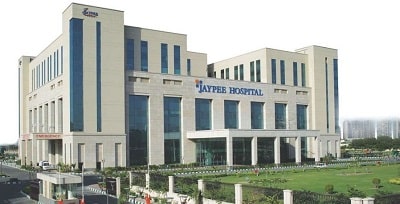
- Jaypee Hospital
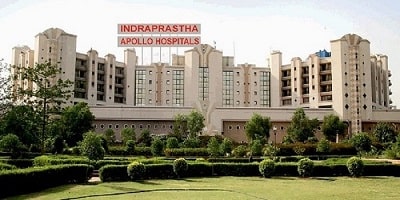
- Apollo Hospital
- Fortis Escorts Hospital
- Gleneagles Global Hospitals
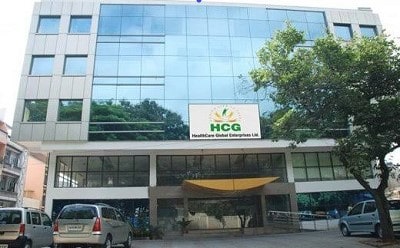
- HCG Cancer Centre
- Artemis Hospital
- Medanta – The Medicity
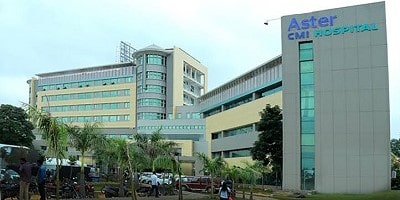
- Aster CMI Hospital
- Yashoda Hospitals – Hyderabad
- Narayana Health – Multiple locations in India
How to Choose the Right Hospital
Before selecting a hospital, consider its liver cancer specialists, hepatobiliary surgery team, diagnostic facilities, access to interventional radiology, oncology services, transplant programme where appropriate, intensive care facilities, and transparent treatment costs. Confirm that the specific hospital branch offers the treatment required.
Medical note: Treatment recommendations depend on the cancer type and stage, liver function, and the patient's overall condition. Liver transplantation is suitable only for selected patients following specialist evaluation.
Why Choose Peace Medical Tourism for Liver Cancer Treatment in India?
Peace Medical Tourism, operated by Peace Health Care Pvt. Ltd., helps international patients access medical care in India. With more than 10 years of experience in medical tourism, we assist patients in exploring suitable hospitals and specialists based on their medical needs, treatment requirements, and budget.
We aim to make the treatment journey easier through transparent communication, treatment coordination, and personalized support.
Why Choose Peace Medical Tourism?
- Affordable Treatment Options: We help patients compare treatment estimates and explore suitable hospitals according to their budget.
- Transparent Communication: We explain available options, estimated costs, and treatment arrangements clearly.
- Hospital and Specialist Selection: We help patients identify hospitals and experienced specialists for liver cancer evaluation and treatment.
- Advanced Treatment Facilities: We coordinate consultations with hospitals offering appropriate diagnostic and treatment technologies.
- Liver Transplant Guidance: For eligible patients, we can help explore liver transplant specialists and hospitals. Learn more about liver transplant cost in Delhi.
- Travel and Accommodation Support: We assist with travel planning, hospital appointments, accommodation, and other medical tourism arrangements.
- International Patient Assistance: We help coordinate medical records, consultation requests, and communication with hospital teams.
- Continued Follow-Up Support: We assist with arranging follow-up consultations with the treating medical team after patients return home.
Our Commitment to Patients
At Peace Medical Tourism, our goal is to help patients make informed decisions about their treatment in India. We focus on personalized assistance, clear cost estimates, and coordination with hospitals that meet the patient's medical requirements.
Explore our healthcare services or [plan your medical travel to India
What Is Liver Cancer?
Liver cancer is a disease in which abnormal cells grow uncontrollably in the liver and form a malignant tumor. The liver is an important organ that helps digest food, stores energy, processes nutrients, and removes harmful substances from the blood.
Liver cancer is classified into two main categories: primary liver cancer and secondary liver cancer (liver metastasis).
-
Primary liver cancer: Cancer that begins in the cells of the liver or in the bile ducts within the liver.
-
Secondary liver cancer (liver metastasis): Cancer that starts in another part of the body, such as the colon, breast, or lung, and spreads to the liver. This is different from cancer that originates in the liver.
The stage of liver cancer is generally classified from Stage I to Stage IV, depending on factors such as tumor size, the number of tumors, involvement of nearby blood vessels or organs, and whether the cancer has spread to other parts of the body. The exact staging system used may vary according to the type of liver cancer.
In many cases, the exact cause of liver cancer cannot be identified. However, certain conditions, including chronic hepatitis B or C infection, cirrhosis, and some metabolic liver diseases, can increase the risk.
Main Types of Primary Liver Cancer
-
Hepatocellular Carcinoma (HCC): The most common type of primary liver cancer. It begins in hepatocytes, the main cells of the liver.
-
Fibrolamellar Carcinoma: A rare subtype of hepatocellular carcinoma that often occurs in younger people and is not usually associated with cirrhosis.
-
Intrahepatic Cholangiocarcinoma: A cancer that begins in the bile ducts located inside the liver.
-
Angiosarcoma: A rare, aggressive cancer that develops in the blood vessels of the liver.
-
Hepatoblastoma: A rare liver cancer that primarily affects infants and young children.
Can Liver Cancer Be Treated?
Yes. Treatment depends on the type and stage of cancer, liver function, the patient's overall health, and whether the cancer has spread. Options may include surgery to remove the tumor, liver transplantation for selected patients, tumor ablation, embolization, radiation therapy, targeted therapy, immunotherapy, or other systemic treatments.
Early diagnosis and evaluation by a specialist can help determine the most appropriate treatment plan.
What Are the Signs and Symptoms of Liver Cancer?
Liver cancer may not cause noticeable symptoms in its early stages. As the disease progresses, symptoms can develop and may become more severe. Many of these symptoms can also occur due to other liver conditions, so medical evaluation is important for an accurate diagnosis.
Common Signs and Symptoms of Liver Cancer
-
Jaundice: Yellowing of the skin and the whites of the eyes.
-
Abdominal Pain: Pain or discomfort in the upper-right side of the abdomen, where the liver is located.
-
Unexplained Weight Loss: Losing weight without changes to diet or physical activity.
-
Enlarged Liver: An enlarged liver that may cause fullness or discomfort in the upper abdomen.
-
Nausea and Vomiting: Feeling sick or vomiting, sometimes accompanied by a reduced appetite.
-
Back Pain: Pain that may occur in the back or right shoulder area.
-
Itching: Persistent itching of the skin, which may occur when bile flow is affected.
-
Fever: An unexplained fever that may occur in some patients.
-
Loss of Appetite: Reduced interest in food or feeling full after eating small amounts.
-
Abdominal Swelling: Fluid accumulation in the abdomen, known as ascites.
-
Fatigue and Weakness: Persistent tiredness or reduced energy.
-
Easy Bruising or Bleeding: Problems with blood clotting, particularly when liver function is impaired.
When Should You See a Doctor?
Consult a healthcare professional if you experience persistent abdominal pain, unexplained weight loss, jaundice, abdominal swelling, or other concerning symptoms. Seek prompt medical attention for new jaundice or significant abdominal swelling, especially if you have a history of liver disease or hepatitis.
Important: These symptoms do not necessarily mean you have liver cancer. A doctor may recommend blood tests, liver function tests, ultrasound, CT or MRI scans, and sometimes a biopsy, depending on the clinical findings.
What Are the Risk Factors for Liver Cancer?
Liver cancer can develop due to several factors that damage liver cells or cause long-term inflammation. Having one or more risk factors does not mean a person will definitely develop liver cancer, but it may increase the likelihood of developing the disease.
Common Risk Factors for Liver Cancer
-
Heavy Alcohol Consumption: Drinking large amounts of alcohol over a long period can damage the liver, cause cirrhosis, and increase the risk of liver cancer.
-
Hepatitis B and Hepatitis C Infection: Chronic infection with hepatitis B or C can cause long-term liver inflammation and increase the risk of hepatocellular carcinoma (HCC). Hepatitis B vaccination can help prevent infection.
-
Obesity: Being overweight or having obesity can increase the risk of fatty liver disease and metabolic dysfunction-associated steatotic liver disease (MASLD). In some people, these conditions can progress to liver inflammation, scarring, and cirrhosis.
-
Diabetes: Type 2 diabetes is associated with an increased risk of liver cancer, particularly when accompanied by obesity, fatty liver disease, or cirrhosis.
-
Aflatoxin Exposure: Aflatoxins are harmful substances produced by certain molds that can contaminate foods such as improperly stored maize, groundnuts, and other crops. Long-term exposure, especially alongside chronic hepatitis B infection, increases the risk of liver cancer.
Other Risk Factors
-
Liver Cirrhosis: Severe scarring of the liver from different causes is a major risk factor for hepatocellular carcinoma.
-
Smoking: Tobacco smoking is associated with an increased risk of liver cancer.
-
Certain Inherited or Chronic Liver Diseases: Conditions such as hereditary hemochromatosis can increase risk.
-
Age and Sex: Liver cancer risk varies with age, sex, geographic region, and the underlying cause of liver disease.
How Can You Reduce the Risk of Liver Cancer?
You can help reduce your risk by limiting or avoiding alcohol, maintaining a healthy weight, managing diabetes, getting vaccinated against hepatitis B, seeking testing and treatment for hepatitis B or C when appropriate, and storing food safely to reduce aflatoxin contamination. People with cirrhosis or other high-risk conditions should ask their doctor whether regular liver cancer surveillance is recommended.
Important: Liver cancer can occur even in people without known risk factors. If you have chronic liver disease or concerns about your risk, consult a qualified healthcare professional.
How to Prepare for Liver Cancer Treatment?
Preparing for liver cancer treatment involves selecting a suitable hospital, consulting experienced specialists, completing the required medical tests, and understanding the planned treatment. Preparation depends on whether the patient needs surgery, ablation, radiation therapy, systemic treatment, or a liver transplant.
1. Choose a Suitable Hospital and Specialist
Choose a hospital with an experienced liver cancer team, appropriate diagnostic facilities, and access to hepatobiliary surgery, oncology, interventional radiology, and liver transplantation when required. Compare treatment options and request a written cost estimate before making a decision.
2. Understand the Cost of Liver Cancer Treatment
The cost of liver cancer treatment in India varies according to the cancer stage, treatment method, hospital, city, length of stay, medicines, and the patient's overall health.
The estimated cost may range from USD 10,000 to USD 35,000 or more for certain complex treatment plans, particularly when major surgery or transplantation is involved. This is an indicative range, not a fixed price; less complex treatments may cost less. Ask the hospital for an itemized estimate based on the patient's reports.
3. Complete the Pre-Treatment Medical Assessment
Before surgery, the doctor will assess whether the patient is fit for the planned procedure. Tests may include:
- Blood tests, including liver and kidney function and blood clotting tests.
- Imaging tests, such as CT or MRI scans, to assess the tumor and plan treatment.
- ECG and, when indicated, an echocardiogram (ECHO) to evaluate heart function.
- Urine tests and other investigations as required.
- Additional assessments of nutrition, general health, and liver function.
The tests required depend on the patient's condition and the proposed treatment.
4. Inform the Doctor About All Medicines
Tell the treating team about all prescription medicines, over-the-counter drugs, vitamins, and herbal supplements the patient takes. This is particularly important for blood thinners, diabetes medicines, and medicines that may affect bleeding or anesthesia.
Do not stop blood thinners or other prescribed medicines on your own. The surgeon, anesthesiologist, or prescribing doctor will advise whether any medicine needs to be paused, changed, or continued and specify the timing.
5. Sign the Consent Form
Before a procedure, the medical team should explain its purpose, expected benefits, possible risks, alternatives, and recovery process. The patient or authorized representative will be asked to provide informed consent before treatment.
6. Follow Fasting Instructions
If general anesthesia or a procedure requiring fasting is planned, the hospital will explain when to stop eating and drinking. Follow the specific instructions provided by the anesthesia and surgical teams, including guidance about essential medicines.
Not every liver cancer treatment requires an overnight hospital admission or fasting. Admission timing depends on the procedure and the patient's condition.
7. Prepare for Recovery
Before treatment, discuss pain management, nutrition, mobility, wound care if applicable, the expected hospital stay, and follow-up appointments. Arrange assistance from a family member or caregiver when needed. Patients should also tell the medical team about alcohol use, smoking, allergies, previous surgeries, and any history of liver disease.
8. Arrange Travel and Accommodation
International patients should plan their visa, travel, accommodation, and hospital visits in consultation with the treating hospital. Allow enough time for medical evaluation before confirming the treatment date. Patients should also discuss how long they may need to remain in India for recovery and follow-up.
Peace Medical Tourism can assist with hospital coordination, specialist consultations, treatment estimates, and travel arrangements.
Contact Peace Medical Tourism:
-
WhatsApp / Viber: +91 9582708782
-
Email: treatmentquery@gmail.com
-
Website: https://peacemedicaltourism.com/
Important: Liver cancer treatment must be individualized. The treating specialist will provide the final preparation instructions based on the patient's medical condition and planned procedure.
What Is the Latest Treatment for Liver Cancer in India?
The latest treatments for liver cancer include advanced surgical techniques, liver transplantation for eligible patients, tumor ablation, transarterial chemoembolization (TACE), radioembolization (TARE), radiation therapy, targeted therapy, and immunotherapy.
The most suitable treatment depends on the type of liver cancer, its stage, tumor size and location, liver function, whether the cancer has spread, and the patient's overall health. A multidisciplinary team that may include a liver cancer surgeon, medical oncologist, hepatologist, radiation oncologist, and interventional radiologist can help determine the best treatment plan.
How Is Liver Cancer Diagnosed and Staged?
Doctors may recommend the following tests to diagnose liver cancer and determine its stage:
- Blood tests: Assess liver function, blood counts, and other indicators. Alpha-fetoprotein (AFP) may also be measured, although it cannot diagnose liver cancer on its own.
- CT scan or MRI: Helps identify tumors, assess their size and location, and determine whether major blood vessels or nearby structures are involved.
- Liver biopsy: A tissue sample may be required when imaging does not provide a clear diagnosis. A biopsy is not necessary in every case.
- Additional investigations: May be recommended to assess overall health and determine whether the cancer has spread.
Liver cancer is commonly described as Stage I, II, III, or IV, although staging systems vary by cancer type. Some systems also consider liver function and the patient's general health.
For people at high risk, such as certain patients with cirrhosis or chronic hepatitis B, regular surveillance may help detect liver cancer at an earlier stage. The appropriate surveillance plan should be discussed with a doctor.
Latest Treatment Options for Liver Cancer
1. Surgery for Liver Cancer
Surgery may be an option when the tumor can be removed safely and the remaining liver can function adequately.
Types of liver cancer surgery include:
- Partial Hepatectomy (Liver Resection): The surgeon removes the portion of the liver containing the tumor while preserving enough healthy liver tissue.
- Liver Transplantation: The diseased liver is replaced with a healthy donor liver. Transplantation may be suitable for selected patients with liver cancer, particularly when the cancer meets established transplant criteria. It is not appropriate for every patient with advanced liver cancer.
The surgical approach depends on the tumor's location, size, number, involvement of blood vessels, and the condition of the remaining liver.
2. Immunotherapy for Liver Cancer
Immunotherapy helps the body's immune system recognize and attack cancer cells. Certain immunotherapy-based combinations are important treatment options for advanced hepatocellular carcinoma (HCC).
The choice of medicine depends on the patient's liver function, overall health, risk of bleeding, other medical conditions, and previous treatments. Immunotherapy is not suitable for everyone and can cause immune-related side effects.
3. Targeted Therapy
Targeted therapy uses medicines that act on specific pathways involved in cancer growth. These medicines may be recommended for certain patients with advanced liver cancer when surgery or localized treatments are not suitable.
The doctor selects the medicine according to the cancer type, treatment guidelines, liver function, and individual risk factors.
4. Transarterial Chemoembolization (TACE)
TACE is a minimally invasive treatment in which chemotherapy is delivered through an artery supplying the tumor, followed by blocking the blood supply to that area. This can help control the tumor while limiting treatment exposure elsewhere in the body.
TACE is often considered for selected patients whose liver cancer is mainly confined to the liver. Suitability depends on liver function, tumor extent, and blood vessel involvement.
5. Radioembolization (TARE)
Transarterial radioembolization (TARE), also called selective internal radiation therapy (SIRT), delivers tiny radioactive particles through blood vessels supplying the tumor. It may be used in selected patients to control liver tumors.
This treatment requires specialist assessment of the tumor's blood supply, liver function, and the risk of radiation reaching other organs.
6. Tumor Ablation
Ablation destroys tumor tissue using heat or other techniques. Options include:
- Radiofrequency Ablation (RFA): Uses heat generated by radiofrequency energy.
- Microwave Ablation (MWA): Uses microwave energy to destroy tumor cells.
- Other Ablation Techniques: May be considered according to the tumor's location and the patient's clinical condition.
Ablation may be suitable for selected small liver tumors, particularly when surgery is not the preferred option.
7. Radiation Therapy
Modern radiation techniques can deliver carefully planned doses of radiation to liver tumors while limiting exposure to surrounding healthy tissue. Options may include stereotactic body radiation therapy (SBRT) and other specialized approaches.
Radiation may be used in selected cases depending on tumor location, liver function, and the overall treatment plan.
8. Chemotherapy and Other Systemic Treatments
Traditional chemotherapy is not the main treatment for every type of primary liver cancer. Its role depends on the specific diagnosis. Systemic medicines, including immunotherapy and targeted therapy, are important options for many patients with advanced HCC.
Bile duct cancer arising within the liver (intrahepatic cholangiocarcinoma) is a different cancer type and may require a different combination of chemotherapy, immunotherapy, targeted treatment, or surgery.
Which Is the Best Treatment for Liver Cancer?
There is no single treatment that is best for every patient.
- Early-stage liver cancer: Surgery, ablation, or transplantation may be options for appropriately selected patients.
- Cancer limited to the liver but not suitable for surgery: Treatments such as TACE, TARE, ablation, or radiation may be considered.
- Advanced liver cancer: Immunotherapy-based combinations, targeted medicines, and other individualized treatments may be recommended.
- Cancer associated with bile ducts: Treatment depends on the precise diagnosis and may differ from treatment for HCC.
Patients should seek evaluation from a specialist team experienced in liver cancer. If possible, bring previous imaging, pathology reports, blood test results, and details of any treatment already received.
Liver Cancer Treatment in India with Peace Medical Tourism
Peace Medical Tourism assists international patients in exploring suitable hospitals and specialists in India, arranging consultations, coordinating medical records, and obtaining treatment estimates.
Contact Peace Medical Tourism:
-
WhatsApp / Viber: +91 9582708782
-
Email: treatmentquery@gmail.com
-
Website: https://peacemedicaltourism.com/
-
Contact form: https://peacemedicaltourism.com/contact-us
Medical disclaimer: Treatment recommendations depend on the individual diagnosis, cancer stage, liver function, and overall health. Newer treatments are not necessarily suitable for every patient. Discuss expected benefits, risks, alternatives, and availability with a qualified liver cancer specialist.
What Is the Post-Operative Care After Liver Cancer Treatment?
Post-operative care after liver cancer surgery is essential for recovery, maintaining liver function, managing complications, and monitoring for possible cancer recurrence. The recovery plan depends on the type of treatment, the amount of liver tissue removed, the patient's overall health, and whether underlying liver disease is present.
1. Regular Follow-Up Visits
After surgery, the doctor will schedule routine follow-up appointments to monitor recovery and check for signs of cancer recurrence. Follow-up may initially be every three months, depending on the patient's condition and the treating team's recommendations.
2. Blood Tests and Liver Function Monitoring
The doctor may recommend regular investigations, including:
- Liver Function Tests (LFTs): To assess how well the liver is functioning.
- Alpha-Fetoprotein (AFP): A tumor marker that may help monitor certain types of liver cancer, although it is not elevated in every patient.
- Complete Blood Count (CBC): To check blood cell levels and assess recovery.
- Other Blood Tests: To evaluate kidney function, blood clotting, and other aspects of health as needed.
3. Imaging Tests
Regular imaging helps the medical team monitor the treated area and look for signs of cancer returning. Depending on the diagnosis and treatment, the doctor may recommend:
- Ultrasound
- CT scan
- MRI scan
The frequency and type of imaging depend on the cancer type, stage, treatment received, and individual risk of recurrence.
4. Wound Care and Physical Recovery
After surgery, patients should follow the hospital's instructions for wound care, bathing, activity, and pain management. Gentle walking may help recovery, but strenuous activity and heavy lifting should be avoided until the surgeon gives permission.
5. Nutrition and Lifestyle
A balanced diet can support recovery and overall health. Patients should follow any dietary advice given by their doctor or dietitian, particularly if they have cirrhosis or other liver problems. Avoid alcohol unless the treating specialist confirms otherwise, and discuss all medicines and supplements with the medical team.
6. Watch for Warning Signs
Contact the treating team promptly if you experience fever, worsening abdominal pain, persistent vomiting, increasing abdominal swelling, wound redness or discharge, or yellowing of the skin or eyes. Seek urgent medical attention for severe bleeding, breathing difficulties, confusion, or sudden deterioration.
7. Long-Term Monitoring for Cancer Recurrence
Liver cancer can recur after treatment, so long-term follow-up is important even when initial treatment is successful. The specialist will establish an individualized surveillance schedule and advise whether further treatment or additional monitoring is required.
Important: Follow-up every three months may be appropriate for some patients, but it is not a universal schedule. The timing of blood tests and imaging should be determined by the treating liver cancer specialist.
For help arranging specialist consultations and follow-up care in India, contact Peace Medical Tourism at +91 9582708782 or visit https://peacemedicaltourism.com/.
What Is the Success Rate of Liver Transplantation for Liver Cancer?
Liver transplantation can be an effective treatment for selected patients with hepatocellular carcinoma (HCC), particularly when the cancer meets accepted transplant criteria and has not spread beyond the eligible limits.
For appropriately selected patients with early-stage liver cancer, published five-year survival rates after liver transplantation are approximately 60%–70%, although results vary between patients and transplant centres.
A transplant is not suitable for every patient. Eligibility depends on tumor size and number, whether blood vessels are involved, the presence of cancer outside the liver, liver function, and overall health.
Factors That Affect Liver Cancer Treatment Success
- Cancer stage: Earlier diagnosis generally offers more treatment options.
- Tumor size and location: These affect whether surgery or ablation is possible.
- Liver function: Cirrhosis and other liver conditions can influence treatment choices and recovery.
- Treatment type: Surgery, transplantation, ablation, radiation, immunotherapy, and targeted therapy have different purposes and outcomes.
- Overall health: Other medical conditions and the patient's ability to tolerate treatment can affect prognosis.
- Response to treatment: The cancer's response and whether it recurs also influence long-term outcomes.
Can Liver Cancer Be Cured?
Some patients with early-stage liver cancer can achieve long-term remission or cure through surgery, liver transplantation, or ablation. For advanced disease, treatment may focus on controlling cancer growth, extending survival, relieving symptoms, and maintaining quality of life.
Patients should consult an experienced liver cancer specialist to understand their individual prognosis and the most appropriate treatment options.
Medical disclaimer: Survival statistics are based on groups of patients and cannot guarantee an individual outcome. A treating specialist can provide a more meaningful estimate after reviewing the diagnosis, scans, liver function, and overall health.
What Questions Should You Ask Before Liver Cancer Treatment?
Before starting liver cancer treatment, it is important to understand your diagnosis, available treatment options, expected costs, possible risks, recovery time, and long-term follow-up requirements. Asking the right questions can help you make informed decisions with your liver cancer specialist.
1. Questions About the Doctor and Hospital
-
Are you a qualified and experienced liver cancer surgeon or liver transplant specialist?
-
How many years of experience do you have treating liver cancer?
-
How frequently do you perform this type of liver cancer surgery?
-
Does the hospital have a dedicated liver cancer team and the facilities required for my treatment?
-
Is my case reviewed by a multidisciplinary team, including liver surgeons, oncologists, radiologists, and liver specialists?
2. Questions About Diagnosis and Treatment Options
-
What type of liver cancer do I have?
-
What is the stage of my liver cancer, and has it spread to other parts of my body?
-
What is the current condition of my liver, and do I have cirrhosis?
-
What treatment plan do you recommend, and why?
-
Am I a suitable candidate for surgery, ablation, or liver transplantation?
-
Are there alternatives to surgery, such as immunotherapy, targeted therapy, radiation therapy, or other treatments?
-
Will I need more than one type of treatment?
3. Questions About Treatment Costs
-
How much does liver cancer treatment cost in India?
-
What is the estimated cost of liver cancer surgery or liver transplantation, if required?
-
How much do chemotherapy, immunotherapy, targeted therapy, or radiotherapy cost?
-
Does the estimate include hospital admission, medicines, investigations, and follow-up visits?
-
What additional expenses might arise if complications occur or the hospital stay is extended?
4. Questions About Success Rates and Survival
-
What are the expected benefits and risks of my recommended treatment?
-
What are the likely treatment outcomes for someone with my cancer stage and liver function?
-
What is my estimated prognosis, and which factors could affect it?
-
Is there a chance that the cancer could return after treatment?
-
How will you monitor whether the treatment is working?
Remember that success rates and survival statistics vary between patients. Your doctor can explain which published outcomes are most relevant to your individual condition.
5. Questions About Surgery and Recovery
-
What complications or side effects could occur with this procedure?
-
How long will I need to stay in the hospital?
-
How long should I plan to remain in India before travelling home?
-
How long does the liver usually take to recover after a partial hepatectomy?
-
When can I return to normal daily activities, work, and exercise?
-
Will I need another operation or additional treatment in the future?
-
What symptoms after treatment should prompt me to contact the hospital urgently?
6. Questions About Follow-Up Care
-
How often will I need follow-up appointments?
-
Which blood tests and scans will I need after treatment?
-
Will I need regular alpha-fetoprotein (AFP) testing or liver function tests?
-
What can I do to protect my liver and reduce the risk of further liver damage?
-
If I return to my home country, how will follow-up care be coordinated with my local doctor?
7. Questions About Cirrhosis and Liver Health
-
How severe is my cirrhosis, if I have it?
-
How does cirrhosis affect my treatment choices and prognosis?
-
What treatment and lifestyle changes can help protect my remaining liver function?
-
Should I be evaluated for a liver transplant now or in the future?
Life expectancy with cirrhosis varies widely depending on its severity, complications, underlying cause, and response to treatment. Your specialist can explain your individual situation.
Final Advice
Before making a decision, request a clear diagnosis, a written treatment plan, an itemized cost estimate, and an explanation of the expected benefits, risks, and alternatives. Consider a second opinion if you are uncertain about the recommended approach.
Need help arranging liver cancer treatment in India?
Peace Medical Tourism can assist international patients with hospital selection, specialist consultations, medical report coordination, and treatment estimates.
-
WhatsApp / Viber: +91 9582708782
-
Email: treatmentquery@gmail.com
-
Website: https://peacemedicaltourism.com/
Medical disclaimer: This checklist is for general information and does not replace advice from a qualified liver cancer specialist.
Peace Medical Tourism provides information about liver cancer treatment in India, including liver cancer treatment cost in India, liver cancer surgery cost in India, and liver cancer treatment cost in Delhi. Patients can explore liver cancer hospitals in India, find a liver cancer specialist in India or liver cancer doctor in India, and learn about liver cancer treatment options, liver cancer surgery, liver transplant for liver cancer, hepatocellular carcinoma treatment, and HCC treatment in India. Our content covers liver cancer symptoms, liver cancer causes, liver cancer risk factors, liver cancer diagnosis, liver cancer stages, liver cancer survival rate, liver cancer treatment success rate, liver cancer life expectancy, and liver cancer treatment recovery. It also explains liver cancer chemotherapy cost, liver cancer immunotherapy, liver cancer targeted therapy, liver cancer radiation therapy, liver cancer ablation treatment, TACE treatment for liver cancer, and TARE treatment for liver cancer, helping international patients explore medical tourism for liver cancer treatment.
Top Doctors







Top Hospitals
















LIVER CANCER TREATMENT COST IN INDIA
Duration of Treatment
usually takes 4 to 12 hours.
Days of Stay
Usually 7 to 21 days at the hospital and 4 weeks outside of the hospital.
Anesthesia
General anaesthesia.
Cost
10,000 to 35,000 USD
How Much Does Liver Cancer Treatment Cost in India?
Looking for Liver Cancer Treatment Cost in India or the best liver transplant hospitals in India at an affordable cost? Peace Medical Tourism helps patients explore treatment options in major Indian cities, including Delhi, Mumbai, Chennai, Kolkata, and Bangalore.
We help patients identify suitable liver cancer hospitals and specialists based on hospital facilities, surgeon qualifications and experience, treatment options, and individual medical requirements. The most appropriate treatment depends on the type and stage of liver cancer and the patient's overall liver function.
Approximate Liver Cancer Treatment Cost in India
| Treatment / Expense | Approximate Cost (USD) |
|---|---|
| Liver Cancer Surgery (Hepatectomy) | $8,000–$10,000 |
| Radiation Therapy | $3,800–$5,800 |
| Chemotherapy | $300–$600 per cycle |
| Liver Transplant (if required) | $25,000–$35,000 |
| Hotel Near Hospital | $18–$50 per day |
| Food | $20–$30 per day |
| Miscellaneous Expenses | Around $20 per day |
These figures are approximate estimates, not guaranteed or all-inclusive package prices. Actual costs may vary by hospital, treatment plan, medicines, investigations, length of stay, and the patient's medical condition. Confirm the latest quotation directly with the treating hospital.
What Factors Affect Liver Cancer Treatment Cost in India?
The total cost of liver cancer treatment may depend on:
- Type, size, and stage of the tumor
- Number and location of tumors
- Liver function and underlying liver disease
- Type of surgery or other treatment required
- Surgeon's experience and hospital facilities
- Medicines, diagnostic tests, and hospitalization
- Whether a liver transplant or additional treatment is needed
- City, accommodation, and length of stay
The cost of liver cancer treatment in Delhi and other Indian cities may differ depending on the hospital and treatment requirements.
Liver Cancer Treatment Options in India
Depending on the patient's condition, treatment may include liver resection (hepatectomy), liver transplantation in eligible patients, ablation, embolization procedures, radiation therapy, targeted therapy, immunotherapy, or other systemic treatments. Chemotherapy is used in selected cases, depending on the cancer type and treatment plan.
A liver transplant is not necessary for every liver cancer patient. Eligibility depends on the cancer's extent, liver function, overall health, and transplant-center assessment.
Why Choose Peace Medical Tourism?
Peace Medical Tourism assists domestic and international patients with:
- Hospital and specialist selection
- Medical report review and consultation coordination
- Estimated treatment cost and treatment planning
- Medical visa assistance
- Hotel accommodation and airport transfers
- Local transportation and hospital coordination
- Follow-up assistance after treatment
Our goal is to help patients explore suitable treatment options in India according to their medical needs and budget.
Request a Liver Cancer Treatment Estimate
To receive an estimated treatment plan and cost, patients can share their biopsy reports, CT or MRI scans, liver function tests, and previous medical records for specialist review.
Call or WhatsApp/Viber: +91 9582708782
Submit an Enquiry to learn more about liver cancer treatment in India.
Important: The final treatment recommendation and quotation must be provided by the treating hospital after reviewing the patient's medical reports and clinical condition.
Top 10 Liver Transplant Surgeons in India
India has several experienced liver transplant surgeons who treat patients with liver failure, cirrhosis, liver cancer, and other complex liver conditions. The following doctors are recognized specialists in liver transplantation and hepatobiliary surgery. This list is for reference and is not a ranking from 1 to 10.
List of Leading Liver Transplant Surgeons in India
|
No. |
Doctor Name |
Hospital / Medical Centre |
Location |
|---|---|---|---|
|
1 |
Dr. Abhideep Chaudhary |
BLK-Max Super Speciality Hospital / Max Healthcare |
New Delhi |
|
2 |
Dr. Subhash Gupta |
Max Healthcare |
New Delhi |
|
3 |
Dr. Vivek Vij |
Fortis Memorial Research Institute |
Gurugram |
|
4 |
Dr. Mohamed Rela |
Dr. Rela Institute & Medical Centre |
Chennai |
|
5 |
Dr. Neerav Goyal |
Indraprastha Apollo Hospitals |
New Delhi |
|
6 |
Dr. Shailendra Lalwani |
Manipal Hospitals — confirm current affiliation |
India |
|
7 |
Dr. Arvinder Singh Soin (A. S. Soin) |
Medanta – The Medicity |
Gurugram |
|
8 |
Dr. Kamal S. Yadav |
Medanta – The Medicity |
Gurugram |
|
9 |
Dr. Vivek Gupta |
Medanta |
Lucknow |
|
10 |
Dr. Giriraj Singh Bora |
Artemis Hospital |
Gurugram |
|
11 |
Dr. K. R. Vasudevan |
Max Super Speciality Hospital |
Noida |
|
12 |
Dr. Anand K. Khakhar |
Zydus Hospital |
Ahmedabad |
|
13 |
Dr. Manish C. Varma |
Apollo Hospitals, Jubilee Hills |
Hyderabad |
|
14 |
Dr. Ravi Mohanka |
Sir H. N. Reliance Foundation Hospital |
Mumbai |
Note: This is a reference list, not a ranking of surgeons by performance. Please confirm each doctor’s current hospital affiliation and availability before publishing or arranging a consultation. Hospital locations and affiliations can change.
Hospital affiliations can change. Confirm the doctor’s current position, availability, and consultation location directly with the hospital before making travel arrangements.
How to Choose a Liver Transplant Surgeon in India
Before selecting a surgeon, patients should consider:
- Relevant experience: Experience with the patient’s specific condition and type of transplant.
- Hospital transplant programme: The hospital’s transplant team, intensive care facilities, and emergency support.
- Patient and donor safety: The team’s protocols for evaluating and protecting living donors.
- Treatment outcomes: Ask for relevant, clearly explained outcome data, including how the hospital defines success.
- Total treatment cost: Request a written estimate covering surgery, hospital stay, medicines, investigations, and follow-up care.
- International patient support: For patients travelling to India, check visa documentation, accommodation, interpreter support, and post-discharge follow-up.
How Peace Medical Tourism Can Help
Peace Medical Tourism can help international patients explore suitable hospitals and liver transplant specialists in India, arrange consultations, coordinate medical records, and obtain treatment estimates. The treating transplant team must determine whether a transplant is appropriate after reviewing the patient’s medical condition and reports.
For a consultation or treatment estimate:
-
WhatsApp / Viber: +91 9582708782
-
Website: https://peacemedicaltourism.com/
-
Contact us: https://peacemedicaltourism.com/contact-us
Important: Liver transplantation is a major procedure, and not every patient with liver disease or liver cancer is eligible. Final decisions depend on specialist assessment, medical suitability, donor evaluation where applicable, and transplant-centre protocols.
What Is the Best Hospital for Liver Cancer Treatment in India?
India has several well-known hospitals offering comprehensive liver cancer treatment, including liver surgery, chemotherapy, immunotherapy, targeted therapy, interventional radiology, and liver transplantation for eligible patients. The best hospital depends on the patient's cancer stage, liver function, overall health, and recommended treatment plan.
List of Leading Hospitals for Liver Cancer Treatment in India
- Manipal Hospital
- BLK-Max Super Speciality Hospital
- Max Hospital
- Jaypee Hospital
- Apollo Hospital
- Fortis Escorts Hospital
- Gleneagles Global Hospitals
- HCG Cancer Centre
- Artemis Hospital
- Medanta – The Medicity
- Aster CMI Hospital
- Yashoda Hospitals – Hyderabad
- Narayana Health – Multiple locations in India
How to Choose the Right Hospital
Before selecting a hospital, consider its liver cancer specialists, hepatobiliary surgery team, diagnostic facilities, access to interventional radiology, oncology services, transplant programme where appropriate, intensive care facilities, and transparent treatment costs. Confirm that the specific hospital branch offers the treatment required.
Medical note: Treatment recommendations depend on the cancer type and stage, liver function, and the patient's overall condition. Liver transplantation is suitable only for selected patients following specialist evaluation.
Why Choose Peace Medical Tourism for Liver Cancer Treatment in India?
Peace Medical Tourism, operated by Peace Health Care Pvt. Ltd., helps international patients access medical care in India. With more than 10 years of experience in medical tourism, we assist patients in exploring suitable hospitals and specialists based on their medical needs, treatment requirements, and budget.
We aim to make the treatment journey easier through transparent communication, treatment coordination, and personalized support.
Why Choose Peace Medical Tourism?
- Affordable Treatment Options: We help patients compare treatment estimates and explore suitable hospitals according to their budget.
- Transparent Communication: We explain available options, estimated costs, and treatment arrangements clearly.
- Hospital and Specialist Selection: We help patients identify hospitals and experienced specialists for liver cancer evaluation and treatment.
- Advanced Treatment Facilities: We coordinate consultations with hospitals offering appropriate diagnostic and treatment technologies.
- Liver Transplant Guidance: For eligible patients, we can help explore liver transplant specialists and hospitals. Learn more about liver transplant cost in Delhi.
- Travel and Accommodation Support: We assist with travel planning, hospital appointments, accommodation, and other medical tourism arrangements.
- International Patient Assistance: We help coordinate medical records, consultation requests, and communication with hospital teams.
- Continued Follow-Up Support: We assist with arranging follow-up consultations with the treating medical team after patients return home.
Our Commitment to Patients
At Peace Medical Tourism, our goal is to help patients make informed decisions about their treatment in India. We focus on personalized assistance, clear cost estimates, and coordination with hospitals that meet the patient's medical requirements.
Explore our healthcare services or [plan your medical travel to India
What Is Liver Cancer?
Liver cancer is a disease in which abnormal cells grow uncontrollably in the liver and form a malignant tumor. The liver is an important organ that helps digest food, stores energy, processes nutrients, and removes harmful substances from the blood.
Liver cancer is classified into two main categories: primary liver cancer and secondary liver cancer (liver metastasis).
-
Primary liver cancer: Cancer that begins in the cells of the liver or in the bile ducts within the liver.
-
Secondary liver cancer (liver metastasis): Cancer that starts in another part of the body, such as the colon, breast, or lung, and spreads to the liver. This is different from cancer that originates in the liver.
The stage of liver cancer is generally classified from Stage I to Stage IV, depending on factors such as tumor size, the number of tumors, involvement of nearby blood vessels or organs, and whether the cancer has spread to other parts of the body. The exact staging system used may vary according to the type of liver cancer.
In many cases, the exact cause of liver cancer cannot be identified. However, certain conditions, including chronic hepatitis B or C infection, cirrhosis, and some metabolic liver diseases, can increase the risk.
Main Types of Primary Liver Cancer
-
Hepatocellular Carcinoma (HCC): The most common type of primary liver cancer. It begins in hepatocytes, the main cells of the liver.
-
Fibrolamellar Carcinoma: A rare subtype of hepatocellular carcinoma that often occurs in younger people and is not usually associated with cirrhosis.
-
Intrahepatic Cholangiocarcinoma: A cancer that begins in the bile ducts located inside the liver.
-
Angiosarcoma: A rare, aggressive cancer that develops in the blood vessels of the liver.
-
Hepatoblastoma: A rare liver cancer that primarily affects infants and young children.
Can Liver Cancer Be Treated?
Yes. Treatment depends on the type and stage of cancer, liver function, the patient's overall health, and whether the cancer has spread. Options may include surgery to remove the tumor, liver transplantation for selected patients, tumor ablation, embolization, radiation therapy, targeted therapy, immunotherapy, or other systemic treatments.
Early diagnosis and evaluation by a specialist can help determine the most appropriate treatment plan.
symptoms
What Are the Signs and Symptoms of Liver Cancer?
Liver cancer may not cause noticeable symptoms in its early stages. As the disease progresses, symptoms can develop and may become more severe. Many of these symptoms can also occur due to other liver conditions, so medical evaluation is important for an accurate diagnosis.
Common Signs and Symptoms of Liver Cancer
-
Jaundice: Yellowing of the skin and the whites of the eyes.
-
Abdominal Pain: Pain or discomfort in the upper-right side of the abdomen, where the liver is located.
-
Unexplained Weight Loss: Losing weight without changes to diet or physical activity.
-
Enlarged Liver: An enlarged liver that may cause fullness or discomfort in the upper abdomen.
-
Nausea and Vomiting: Feeling sick or vomiting, sometimes accompanied by a reduced appetite.
-
Back Pain: Pain that may occur in the back or right shoulder area.
-
Itching: Persistent itching of the skin, which may occur when bile flow is affected.
-
Fever: An unexplained fever that may occur in some patients.
-
Loss of Appetite: Reduced interest in food or feeling full after eating small amounts.
-
Abdominal Swelling: Fluid accumulation in the abdomen, known as ascites.
-
Fatigue and Weakness: Persistent tiredness or reduced energy.
-
Easy Bruising or Bleeding: Problems with blood clotting, particularly when liver function is impaired.
When Should You See a Doctor?
Consult a healthcare professional if you experience persistent abdominal pain, unexplained weight loss, jaundice, abdominal swelling, or other concerning symptoms. Seek prompt medical attention for new jaundice or significant abdominal swelling, especially if you have a history of liver disease or hepatitis.
Important: These symptoms do not necessarily mean you have liver cancer. A doctor may recommend blood tests, liver function tests, ultrasound, CT or MRI scans, and sometimes a biopsy, depending on the clinical findings.
risk factors
What Are the Risk Factors for Liver Cancer?
Liver cancer can develop due to several factors that damage liver cells or cause long-term inflammation. Having one or more risk factors does not mean a person will definitely develop liver cancer, but it may increase the likelihood of developing the disease.
Common Risk Factors for Liver Cancer
-
Heavy Alcohol Consumption: Drinking large amounts of alcohol over a long period can damage the liver, cause cirrhosis, and increase the risk of liver cancer.
-
Hepatitis B and Hepatitis C Infection: Chronic infection with hepatitis B or C can cause long-term liver inflammation and increase the risk of hepatocellular carcinoma (HCC). Hepatitis B vaccination can help prevent infection.
-
Obesity: Being overweight or having obesity can increase the risk of fatty liver disease and metabolic dysfunction-associated steatotic liver disease (MASLD). In some people, these conditions can progress to liver inflammation, scarring, and cirrhosis.
-
Diabetes: Type 2 diabetes is associated with an increased risk of liver cancer, particularly when accompanied by obesity, fatty liver disease, or cirrhosis.
-
Aflatoxin Exposure: Aflatoxins are harmful substances produced by certain molds that can contaminate foods such as improperly stored maize, groundnuts, and other crops. Long-term exposure, especially alongside chronic hepatitis B infection, increases the risk of liver cancer.
Other Risk Factors
-
Liver Cirrhosis: Severe scarring of the liver from different causes is a major risk factor for hepatocellular carcinoma.
-
Smoking: Tobacco smoking is associated with an increased risk of liver cancer.
-
Certain Inherited or Chronic Liver Diseases: Conditions such as hereditary hemochromatosis can increase risk.
-
Age and Sex: Liver cancer risk varies with age, sex, geographic region, and the underlying cause of liver disease.
How Can You Reduce the Risk of Liver Cancer?
You can help reduce your risk by limiting or avoiding alcohol, maintaining a healthy weight, managing diabetes, getting vaccinated against hepatitis B, seeking testing and treatment for hepatitis B or C when appropriate, and storing food safely to reduce aflatoxin contamination. People with cirrhosis or other high-risk conditions should ask their doctor whether regular liver cancer surveillance is recommended.
Important: Liver cancer can occur even in people without known risk factors. If you have chronic liver disease or concerns about your risk, consult a qualified healthcare professional.
preparation
How to Prepare for Liver Cancer Treatment?
Preparing for liver cancer treatment involves selecting a suitable hospital, consulting experienced specialists, completing the required medical tests, and understanding the planned treatment. Preparation depends on whether the patient needs surgery, ablation, radiation therapy, systemic treatment, or a liver transplant.
1. Choose a Suitable Hospital and Specialist
Choose a hospital with an experienced liver cancer team, appropriate diagnostic facilities, and access to hepatobiliary surgery, oncology, interventional radiology, and liver transplantation when required. Compare treatment options and request a written cost estimate before making a decision.
2. Understand the Cost of Liver Cancer Treatment
The cost of liver cancer treatment in India varies according to the cancer stage, treatment method, hospital, city, length of stay, medicines, and the patient's overall health.
The estimated cost may range from USD 10,000 to USD 35,000 or more for certain complex treatment plans, particularly when major surgery or transplantation is involved. This is an indicative range, not a fixed price; less complex treatments may cost less. Ask the hospital for an itemized estimate based on the patient's reports.
3. Complete the Pre-Treatment Medical Assessment
Before surgery, the doctor will assess whether the patient is fit for the planned procedure. Tests may include:
- Blood tests, including liver and kidney function and blood clotting tests.
- Imaging tests, such as CT or MRI scans, to assess the tumor and plan treatment.
- ECG and, when indicated, an echocardiogram (ECHO) to evaluate heart function.
- Urine tests and other investigations as required.
- Additional assessments of nutrition, general health, and liver function.
The tests required depend on the patient's condition and the proposed treatment.
4. Inform the Doctor About All Medicines
Tell the treating team about all prescription medicines, over-the-counter drugs, vitamins, and herbal supplements the patient takes. This is particularly important for blood thinners, diabetes medicines, and medicines that may affect bleeding or anesthesia.
Do not stop blood thinners or other prescribed medicines on your own. The surgeon, anesthesiologist, or prescribing doctor will advise whether any medicine needs to be paused, changed, or continued and specify the timing.
5. Sign the Consent Form
Before a procedure, the medical team should explain its purpose, expected benefits, possible risks, alternatives, and recovery process. The patient or authorized representative will be asked to provide informed consent before treatment.
6. Follow Fasting Instructions
If general anesthesia or a procedure requiring fasting is planned, the hospital will explain when to stop eating and drinking. Follow the specific instructions provided by the anesthesia and surgical teams, including guidance about essential medicines.
Not every liver cancer treatment requires an overnight hospital admission or fasting. Admission timing depends on the procedure and the patient's condition.
7. Prepare for Recovery
Before treatment, discuss pain management, nutrition, mobility, wound care if applicable, the expected hospital stay, and follow-up appointments. Arrange assistance from a family member or caregiver when needed. Patients should also tell the medical team about alcohol use, smoking, allergies, previous surgeries, and any history of liver disease.
8. Arrange Travel and Accommodation
International patients should plan their visa, travel, accommodation, and hospital visits in consultation with the treating hospital. Allow enough time for medical evaluation before confirming the treatment date. Patients should also discuss how long they may need to remain in India for recovery and follow-up.
Peace Medical Tourism can assist with hospital coordination, specialist consultations, treatment estimates, and travel arrangements.
Contact Peace Medical Tourism:
-
WhatsApp / Viber: +91 9582708782
-
Email: treatmentquery@gmail.com
-
Website: https://peacemedicaltourism.com/
Important: Liver cancer treatment must be individualized. The treating specialist will provide the final preparation instructions based on the patient's medical condition and planned procedure.
procedure
What Is the Latest Treatment for Liver Cancer in India?
The latest treatments for liver cancer include advanced surgical techniques, liver transplantation for eligible patients, tumor ablation, transarterial chemoembolization (TACE), radioembolization (TARE), radiation therapy, targeted therapy, and immunotherapy.
The most suitable treatment depends on the type of liver cancer, its stage, tumor size and location, liver function, whether the cancer has spread, and the patient's overall health. A multidisciplinary team that may include a liver cancer surgeon, medical oncologist, hepatologist, radiation oncologist, and interventional radiologist can help determine the best treatment plan.
How Is Liver Cancer Diagnosed and Staged?
Doctors may recommend the following tests to diagnose liver cancer and determine its stage:
- Blood tests: Assess liver function, blood counts, and other indicators. Alpha-fetoprotein (AFP) may also be measured, although it cannot diagnose liver cancer on its own.
- CT scan or MRI: Helps identify tumors, assess their size and location, and determine whether major blood vessels or nearby structures are involved.
- Liver biopsy: A tissue sample may be required when imaging does not provide a clear diagnosis. A biopsy is not necessary in every case.
- Additional investigations: May be recommended to assess overall health and determine whether the cancer has spread.
Liver cancer is commonly described as Stage I, II, III, or IV, although staging systems vary by cancer type. Some systems also consider liver function and the patient's general health.
For people at high risk, such as certain patients with cirrhosis or chronic hepatitis B, regular surveillance may help detect liver cancer at an earlier stage. The appropriate surveillance plan should be discussed with a doctor.
Latest Treatment Options for Liver Cancer
1. Surgery for Liver Cancer
Surgery may be an option when the tumor can be removed safely and the remaining liver can function adequately.
Types of liver cancer surgery include:
- Partial Hepatectomy (Liver Resection): The surgeon removes the portion of the liver containing the tumor while preserving enough healthy liver tissue.
- Liver Transplantation: The diseased liver is replaced with a healthy donor liver. Transplantation may be suitable for selected patients with liver cancer, particularly when the cancer meets established transplant criteria. It is not appropriate for every patient with advanced liver cancer.
The surgical approach depends on the tumor's location, size, number, involvement of blood vessels, and the condition of the remaining liver.
2. Immunotherapy for Liver Cancer
Immunotherapy helps the body's immune system recognize and attack cancer cells. Certain immunotherapy-based combinations are important treatment options for advanced hepatocellular carcinoma (HCC).
The choice of medicine depends on the patient's liver function, overall health, risk of bleeding, other medical conditions, and previous treatments. Immunotherapy is not suitable for everyone and can cause immune-related side effects.
3. Targeted Therapy
Targeted therapy uses medicines that act on specific pathways involved in cancer growth. These medicines may be recommended for certain patients with advanced liver cancer when surgery or localized treatments are not suitable.
The doctor selects the medicine according to the cancer type, treatment guidelines, liver function, and individual risk factors.
4. Transarterial Chemoembolization (TACE)
TACE is a minimally invasive treatment in which chemotherapy is delivered through an artery supplying the tumor, followed by blocking the blood supply to that area. This can help control the tumor while limiting treatment exposure elsewhere in the body.
TACE is often considered for selected patients whose liver cancer is mainly confined to the liver. Suitability depends on liver function, tumor extent, and blood vessel involvement.
5. Radioembolization (TARE)
Transarterial radioembolization (TARE), also called selective internal radiation therapy (SIRT), delivers tiny radioactive particles through blood vessels supplying the tumor. It may be used in selected patients to control liver tumors.
This treatment requires specialist assessment of the tumor's blood supply, liver function, and the risk of radiation reaching other organs.
6. Tumor Ablation
Ablation destroys tumor tissue using heat or other techniques. Options include:
- Radiofrequency Ablation (RFA): Uses heat generated by radiofrequency energy.
- Microwave Ablation (MWA): Uses microwave energy to destroy tumor cells.
- Other Ablation Techniques: May be considered according to the tumor's location and the patient's clinical condition.
Ablation may be suitable for selected small liver tumors, particularly when surgery is not the preferred option.
7. Radiation Therapy
Modern radiation techniques can deliver carefully planned doses of radiation to liver tumors while limiting exposure to surrounding healthy tissue. Options may include stereotactic body radiation therapy (SBRT) and other specialized approaches.
Radiation may be used in selected cases depending on tumor location, liver function, and the overall treatment plan.
8. Chemotherapy and Other Systemic Treatments
Traditional chemotherapy is not the main treatment for every type of primary liver cancer. Its role depends on the specific diagnosis. Systemic medicines, including immunotherapy and targeted therapy, are important options for many patients with advanced HCC.
Bile duct cancer arising within the liver (intrahepatic cholangiocarcinoma) is a different cancer type and may require a different combination of chemotherapy, immunotherapy, targeted treatment, or surgery.
Which Is the Best Treatment for Liver Cancer?
There is no single treatment that is best for every patient.
- Early-stage liver cancer: Surgery, ablation, or transplantation may be options for appropriately selected patients.
- Cancer limited to the liver but not suitable for surgery: Treatments such as TACE, TARE, ablation, or radiation may be considered.
- Advanced liver cancer: Immunotherapy-based combinations, targeted medicines, and other individualized treatments may be recommended.
- Cancer associated with bile ducts: Treatment depends on the precise diagnosis and may differ from treatment for HCC.
Patients should seek evaluation from a specialist team experienced in liver cancer. If possible, bring previous imaging, pathology reports, blood test results, and details of any treatment already received.
Liver Cancer Treatment in India with Peace Medical Tourism
Peace Medical Tourism assists international patients in exploring suitable hospitals and specialists in India, arranging consultations, coordinating medical records, and obtaining treatment estimates.
Contact Peace Medical Tourism:
-
WhatsApp / Viber: +91 9582708782
-
Email: treatmentquery@gmail.com
-
Website: https://peacemedicaltourism.com/
-
Contact form: https://peacemedicaltourism.com/contact-us
Medical disclaimer: Treatment recommendations depend on the individual diagnosis, cancer stage, liver function, and overall health. Newer treatments are not necessarily suitable for every patient. Discuss expected benefits, risks, alternatives, and availability with a qualified liver cancer specialist.
post procedure
What Is the Post-Operative Care After Liver Cancer Treatment?
Post-operative care after liver cancer surgery is essential for recovery, maintaining liver function, managing complications, and monitoring for possible cancer recurrence. The recovery plan depends on the type of treatment, the amount of liver tissue removed, the patient's overall health, and whether underlying liver disease is present.
1. Regular Follow-Up Visits
After surgery, the doctor will schedule routine follow-up appointments to monitor recovery and check for signs of cancer recurrence. Follow-up may initially be every three months, depending on the patient's condition and the treating team's recommendations.
2. Blood Tests and Liver Function Monitoring
The doctor may recommend regular investigations, including:
- Liver Function Tests (LFTs): To assess how well the liver is functioning.
- Alpha-Fetoprotein (AFP): A tumor marker that may help monitor certain types of liver cancer, although it is not elevated in every patient.
- Complete Blood Count (CBC): To check blood cell levels and assess recovery.
- Other Blood Tests: To evaluate kidney function, blood clotting, and other aspects of health as needed.
3. Imaging Tests
Regular imaging helps the medical team monitor the treated area and look for signs of cancer returning. Depending on the diagnosis and treatment, the doctor may recommend:
- Ultrasound
- CT scan
- MRI scan
The frequency and type of imaging depend on the cancer type, stage, treatment received, and individual risk of recurrence.
4. Wound Care and Physical Recovery
After surgery, patients should follow the hospital's instructions for wound care, bathing, activity, and pain management. Gentle walking may help recovery, but strenuous activity and heavy lifting should be avoided until the surgeon gives permission.
5. Nutrition and Lifestyle
A balanced diet can support recovery and overall health. Patients should follow any dietary advice given by their doctor or dietitian, particularly if they have cirrhosis or other liver problems. Avoid alcohol unless the treating specialist confirms otherwise, and discuss all medicines and supplements with the medical team.
6. Watch for Warning Signs
Contact the treating team promptly if you experience fever, worsening abdominal pain, persistent vomiting, increasing abdominal swelling, wound redness or discharge, or yellowing of the skin or eyes. Seek urgent medical attention for severe bleeding, breathing difficulties, confusion, or sudden deterioration.
7. Long-Term Monitoring for Cancer Recurrence
Liver cancer can recur after treatment, so long-term follow-up is important even when initial treatment is successful. The specialist will establish an individualized surveillance schedule and advise whether further treatment or additional monitoring is required.
Important: Follow-up every three months may be appropriate for some patients, but it is not a universal schedule. The timing of blood tests and imaging should be determined by the treating liver cancer specialist.
For help arranging specialist consultations and follow-up care in India, contact Peace Medical Tourism at +91 9582708782 or visit https://peacemedicaltourism.com/.
success rate
What Is the Success Rate of Liver Transplantation for Liver Cancer?
Liver transplantation can be an effective treatment for selected patients with hepatocellular carcinoma (HCC), particularly when the cancer meets accepted transplant criteria and has not spread beyond the eligible limits.
For appropriately selected patients with early-stage liver cancer, published five-year survival rates after liver transplantation are approximately 60%–70%, although results vary between patients and transplant centres.
A transplant is not suitable for every patient. Eligibility depends on tumor size and number, whether blood vessels are involved, the presence of cancer outside the liver, liver function, and overall health.
Factors That Affect Liver Cancer Treatment Success
- Cancer stage: Earlier diagnosis generally offers more treatment options.
- Tumor size and location: These affect whether surgery or ablation is possible.
- Liver function: Cirrhosis and other liver conditions can influence treatment choices and recovery.
- Treatment type: Surgery, transplantation, ablation, radiation, immunotherapy, and targeted therapy have different purposes and outcomes.
- Overall health: Other medical conditions and the patient's ability to tolerate treatment can affect prognosis.
- Response to treatment: The cancer's response and whether it recurs also influence long-term outcomes.
Can Liver Cancer Be Cured?
Some patients with early-stage liver cancer can achieve long-term remission or cure through surgery, liver transplantation, or ablation. For advanced disease, treatment may focus on controlling cancer growth, extending survival, relieving symptoms, and maintaining quality of life.
Patients should consult an experienced liver cancer specialist to understand their individual prognosis and the most appropriate treatment options.
Medical disclaimer: Survival statistics are based on groups of patients and cannot guarantee an individual outcome. A treating specialist can provide a more meaningful estimate after reviewing the diagnosis, scans, liver function, and overall health.
faqs from doctor
What Questions Should You Ask Before Liver Cancer Treatment?
Before starting liver cancer treatment, it is important to understand your diagnosis, available treatment options, expected costs, possible risks, recovery time, and long-term follow-up requirements. Asking the right questions can help you make informed decisions with your liver cancer specialist.
1. Questions About the Doctor and Hospital
-
Are you a qualified and experienced liver cancer surgeon or liver transplant specialist?
-
How many years of experience do you have treating liver cancer?
-
How frequently do you perform this type of liver cancer surgery?
-
Does the hospital have a dedicated liver cancer team and the facilities required for my treatment?
-
Is my case reviewed by a multidisciplinary team, including liver surgeons, oncologists, radiologists, and liver specialists?
2. Questions About Diagnosis and Treatment Options
-
What type of liver cancer do I have?
-
What is the stage of my liver cancer, and has it spread to other parts of my body?
-
What is the current condition of my liver, and do I have cirrhosis?
-
What treatment plan do you recommend, and why?
-
Am I a suitable candidate for surgery, ablation, or liver transplantation?
-
Are there alternatives to surgery, such as immunotherapy, targeted therapy, radiation therapy, or other treatments?
-
Will I need more than one type of treatment?
3. Questions About Treatment Costs
-
How much does liver cancer treatment cost in India?
-
What is the estimated cost of liver cancer surgery or liver transplantation, if required?
-
How much do chemotherapy, immunotherapy, targeted therapy, or radiotherapy cost?
-
Does the estimate include hospital admission, medicines, investigations, and follow-up visits?
-
What additional expenses might arise if complications occur or the hospital stay is extended?
4. Questions About Success Rates and Survival
-
What are the expected benefits and risks of my recommended treatment?
-
What are the likely treatment outcomes for someone with my cancer stage and liver function?
-
What is my estimated prognosis, and which factors could affect it?
-
Is there a chance that the cancer could return after treatment?
-
How will you monitor whether the treatment is working?
Remember that success rates and survival statistics vary between patients. Your doctor can explain which published outcomes are most relevant to your individual condition.
5. Questions About Surgery and Recovery
-
What complications or side effects could occur with this procedure?
-
How long will I need to stay in the hospital?
-
How long should I plan to remain in India before travelling home?
-
How long does the liver usually take to recover after a partial hepatectomy?
-
When can I return to normal daily activities, work, and exercise?
-
Will I need another operation or additional treatment in the future?
-
What symptoms after treatment should prompt me to contact the hospital urgently?
6. Questions About Follow-Up Care
-
How often will I need follow-up appointments?
-
Which blood tests and scans will I need after treatment?
-
Will I need regular alpha-fetoprotein (AFP) testing or liver function tests?
-
What can I do to protect my liver and reduce the risk of further liver damage?
-
If I return to my home country, how will follow-up care be coordinated with my local doctor?
7. Questions About Cirrhosis and Liver Health
-
How severe is my cirrhosis, if I have it?
-
How does cirrhosis affect my treatment choices and prognosis?
-
What treatment and lifestyle changes can help protect my remaining liver function?
-
Should I be evaluated for a liver transplant now or in the future?
Life expectancy with cirrhosis varies widely depending on its severity, complications, underlying cause, and response to treatment. Your specialist can explain your individual situation.
Final Advice
Before making a decision, request a clear diagnosis, a written treatment plan, an itemized cost estimate, and an explanation of the expected benefits, risks, and alternatives. Consider a second opinion if you are uncertain about the recommended approach.
Need help arranging liver cancer treatment in India?
Peace Medical Tourism can assist international patients with hospital selection, specialist consultations, medical report coordination, and treatment estimates.
-
WhatsApp / Viber: +91 9582708782
-
Email: treatmentquery@gmail.com
-
Website: https://peacemedicaltourism.com/
Medical disclaimer: This checklist is for general information and does not replace advice from a qualified liver cancer specialist.
Peace Medical Tourism provides information about liver cancer treatment in India, including liver cancer treatment cost in India, liver cancer surgery cost in India, and liver cancer treatment cost in Delhi. Patients can explore liver cancer hospitals in India, find a liver cancer specialist in India or liver cancer doctor in India, and learn about liver cancer treatment options, liver cancer surgery, liver transplant for liver cancer, hepatocellular carcinoma treatment, and HCC treatment in India. Our content covers liver cancer symptoms, liver cancer causes, liver cancer risk factors, liver cancer diagnosis, liver cancer stages, liver cancer survival rate, liver cancer treatment success rate, liver cancer life expectancy, and liver cancer treatment recovery. It also explains liver cancer chemotherapy cost, liver cancer immunotherapy, liver cancer targeted therapy, liver cancer radiation therapy, liver cancer ablation treatment, TACE treatment for liver cancer, and TARE treatment for liver cancer, helping international patients explore medical tourism for liver cancer treatment.